Impact
Situational effect
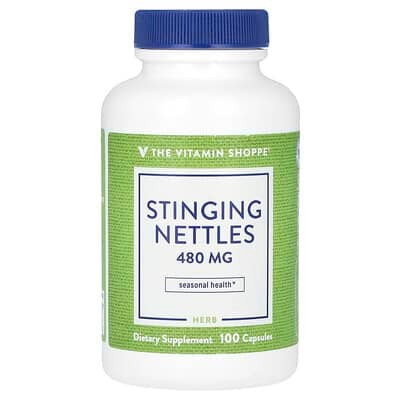
Typical dose:300–900 mg
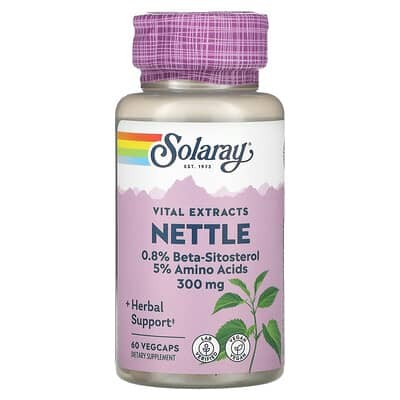
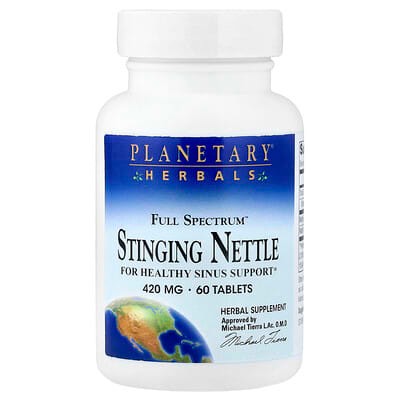
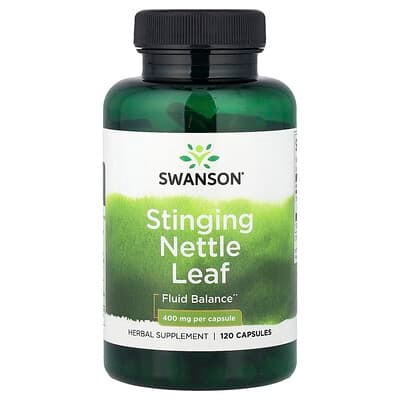
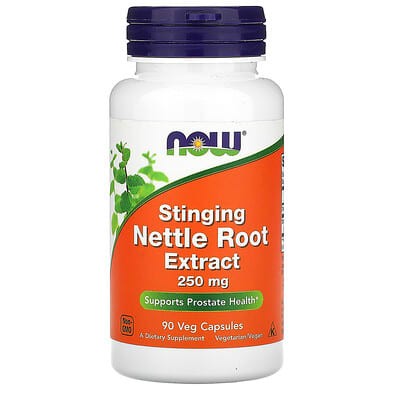
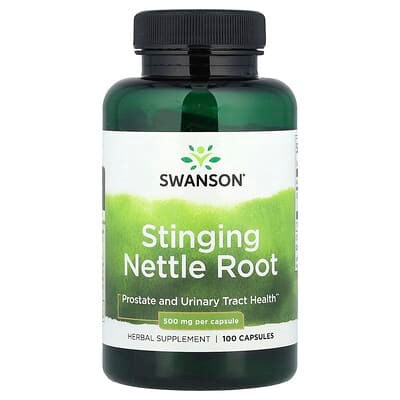
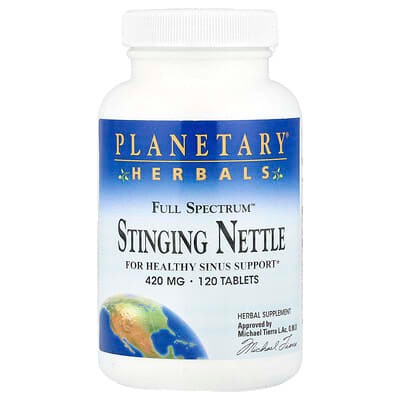
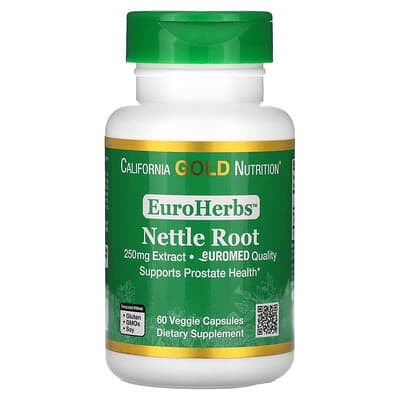
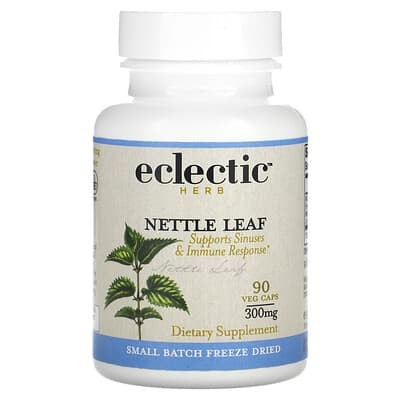
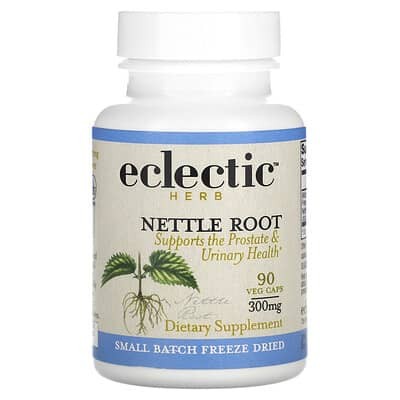
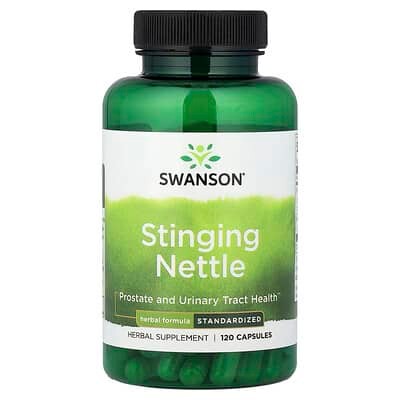
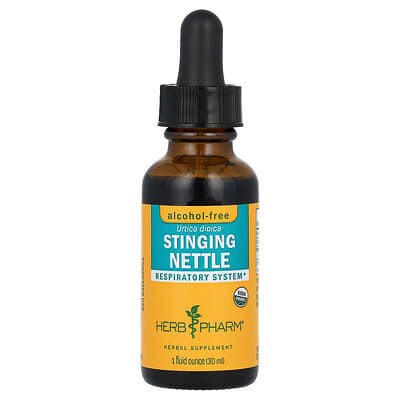
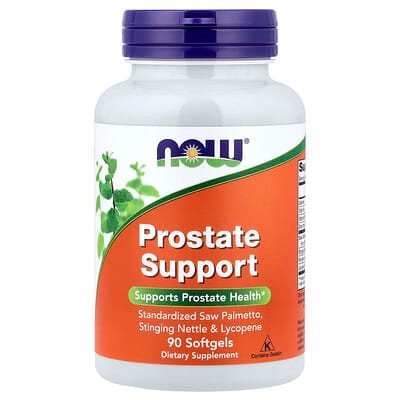
Stinging Nettle leaf contains compounds that interfere with the body's production of inflammatory chemicals, including prostaglandins and histamine. This dual action makes it a valuable situational tool for managing symptoms of seasonal allergies and providing relief from arthritic joint pain.
Study evidence
5 studiesStinging Nettle extracts may lower some inflammatory markers in selected medical populations, but evidence for meaningful anti-inflammatory benefits remains limited. Findings on joint symptoms include observational research and skin-applied nettle sting, so they do not establish a reliable effect from oral supplements.
View goal