
Nutrient quality
Betaine anhydrous is clearly identified as trimethylglycine. The amount is meaningful for general methylation but below a common full performance serving.
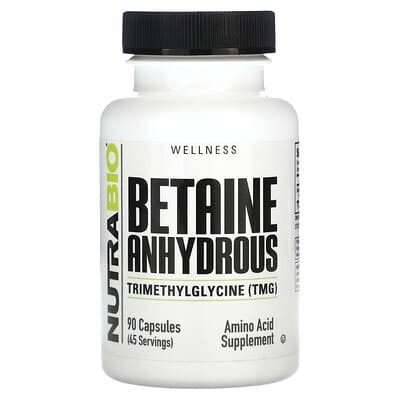
 iHerb iHerb | $ 14.99 |
One gram of trimethylglycine provides a fully disclosed methyl donor that can support SAMe production and a Phase II methylation pathway. The simple formula is easy to evaluate and avoids confusing anhydrous betaine with betaine hydrochloride.
The amount is useful for general methylation support but below a typical full performance serving. It may complement resistance training, yet it does not provide protein, calories, creatine, or recovery nutrients for weight gain.
Two capsules per serving and favorable value make routine use practical. It suits users focused on methylation or modest performance support, not people seeking stomach-acid or broad digestive help.
Betaine anhydrous is clearly identified as trimethylglycine. The amount is meaningful for general methylation but below a common full performance serving.
The betaine amount is clearly disclosed. Excipients and daily directions are absent from the supplied data, which leaves some label details uncertain.
The aggregate satisfaction average is exceptionally strong, though no detailed feedback is supplied. The moderate volume provides a reasonably useful aggregate satisfaction signal.
A clear form and useful general dose support strong formula value. The serving cost is low for the disclosed trimethylglycine amount.

Betaine anhydrous directly donates methyl groups and can support SAMe production for Phase II methylation. The single-active formula is well aligned with one important pathway but does not cover antioxidant or intestinal clearance.
The 1 g amount is fully disclosed and meaningful for general methylation support. A clearly identified trimethylglycine form and no unrelated ingredients make the product focused and easy to evaluate.

Betaine anhydrous may support power and training volume, which can indirectly help lean-mass gain when paired with resistance training and adequate nutrition. The single ingredient does not supply protein, meaningful calories, creatine, or recovery support.
The anhydrous trimethylglycine form and exact amount are fully disclosed. The serving is below the usual full performance amount, so it is better suited to general betaine intake than a targeted hypertrophy-support protocol.
| Ingredient | Amount per serving |
|---|---|
Betaine Anhydrous (Trimethylglycine) | 1000 mg |
The single-ingredient formula clearly identifies betaine anhydrous as trimethylglycine, removing uncertainty about the form. Its 1,000 mg serving comfortably supports a general wellness or methylation use case, and the amount is fully disclosed. Low serving cost and a simple capsule format provide strong value for users who do not need a full performance dose.
Published studies used for the product analysis and the top-ranked studies for each ingredient and goal.