
Nutrient quality
Mushroom parts, growing medium, extraction methods, and active beta-glucans are not identified. Cordyceps, lion’s mane, shiitake, and many other mushrooms are too small for focused support.
 Pure Formulas Pure Formulas | $ 15.71 | |
 Walmart Walmart | $ 15.71 | |
 Amazon Amazon | $ 15.71 | |
 iHerb iHerb | $ 15.72 |
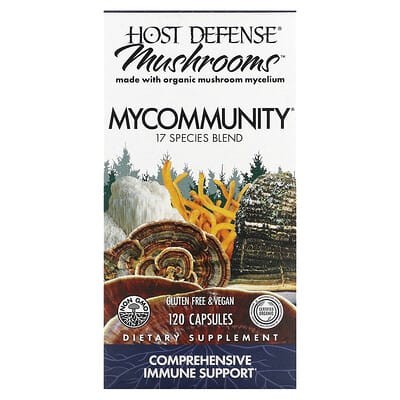
Eighteen listed mushroom entries create exceptional species variety, led by chaga, maitake, reishi, and cordyceps. Most other mushrooms appear below 100 mg, with lion's mane and shiitake particularly small.
The label does not identify fruiting body versus mycelium, extraction method, species for every entry, or beta-glucan levels. Without those details, the many small quantities cannot be translated into reliable active-compound exposure.
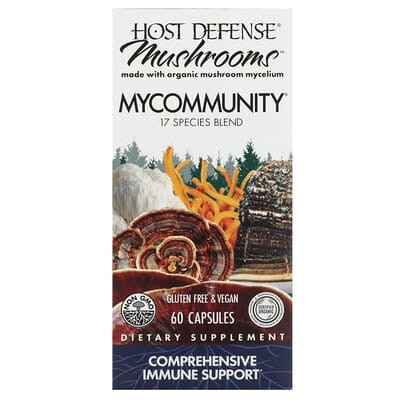
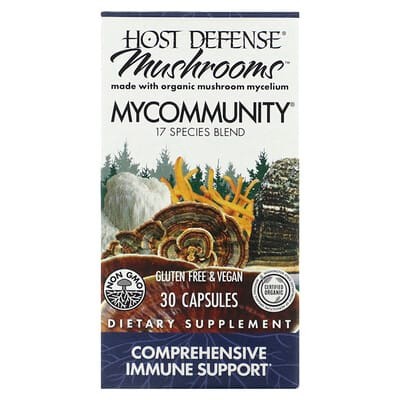
Only 15 servings are included, and the serving cost is not low enough to overcome the weak per-species doses. The product fits broad sampling better than targeted mushroom supplementation.
Mushroom parts, growing medium, extraction methods, and active beta-glucans are not identified. Cordyceps, lion’s mane, shiitake, and many other mushrooms are too small for focused support.
Each mushroom entry has an individual amount. Excipients and daily directions are absent from the supplied data, which leaves some label details uncertain.
The aggregate satisfaction average is strong, though no detailed feedback is supplied. The large volume provides a stable aggregate satisfaction signal.
Broad species coverage is offset by weak characterization and low amounts. The serving cost is high relative to the dose depth of the best-known mushrooms.
| Ingredient | Amount per serving |
|---|---|
Chaga | 148 mg |
Maitake | 142 mg |
Reishi | 110 mg |
Cordyceps | 100 mg |
Royal Sun Blazei | 80 mg |
Enokitake | 80 mg |
Mesima | 76 mg |
Turkey Tails | 48 mg |
Oyster Mushroom | 48 mg |
Lion's Mane | 48 mg |
Artist's Conk | 30 mg |
Oregon Reishi | 30 mg |
Agarikon | 30 mg |
Amadou | 20 mg |
Shiitake | 20 mg |
Maitake | 16 mg |
Birch Polypore | 12 mg |
Split Gill Polypore | 12 mg |
The combined Maitake entries provide a moderate amount within a broad mushroom formula. Confidence in potency is limited because the mushroom part, extraction method, and active markers are not identified. The serving cost is above the collection midpoint without evidence of a concentrated or standardized Maitake extract.
The very low Lion's Mane amount and absent source details make it poorly suited to targeted cognitive support. No extraction method or beta-glucan standardization is supplied, so bioavailability and active content remain uncertain. The exact amount is visible, but the lack of a no-grain or no-filler assurance leaves substrate purity unresolved.
The label does not identify fruiting body, mycelium, or growing medium, and it gives no extraction method or active-marker standardization. The disclosed Cordyceps amount is below the collection's effective range, while species and purity-certification details are also missing. Weak transparency and a low dose limit value even when the serving cost is near the collection median.