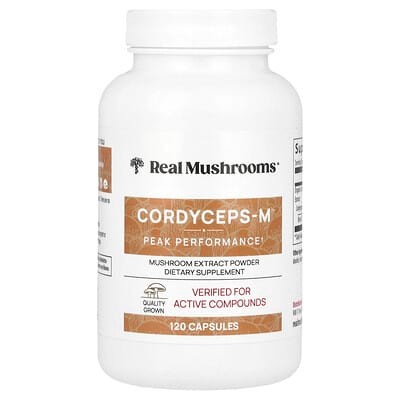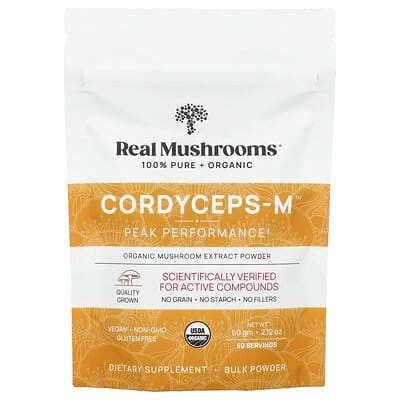
Cordyceps is a parasitic fungus that naturally grows on insect larvae, primarily found in high-altitude regions of the Himalayas and Tibet. The most well-known species, *Cordyceps sinensis* (now *Ophiocordyceps sinensis*), has been a staple in traditional Chinese and Tibetan medicine for centuries. It is highly valued for its wide range of potential health benefits, often referred to as a "caterpillar fungus" due to its unique life cycle and medicinal properties. The health benefits of Cordyceps are attributed to its rich composition of bioactive compounds, including cordycepin, adenosine, polysaccharides, and ergosterol. These compounds are believed to contribute to its adaptogenic properties, helping the body maintain balance and resist various stressors. Cordyceps may influence cellular energy production, antioxidant pathways, and immune system modulation, supporting overall physiological resilience. Modern research has explored Cordyceps for its potential roles in enhancing athletic performance, supporting respiratory function, improving kidney health, and exhibiting anti-inflammatory and antioxidant effects. It is commonly consumed as a dietary supplement in various forms, including capsules, powders, and extracts, often standardized for its active compounds, making it a popular choice for vitality and wellness.