
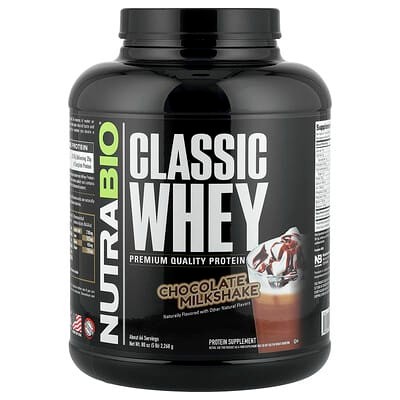
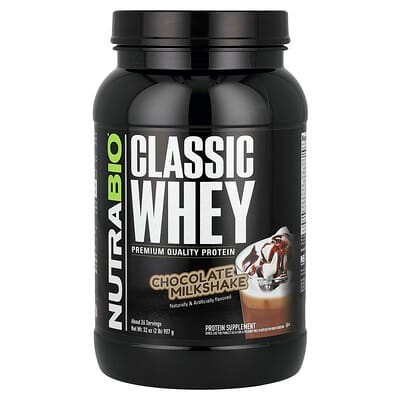
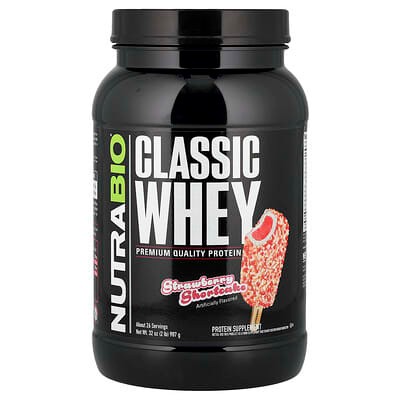
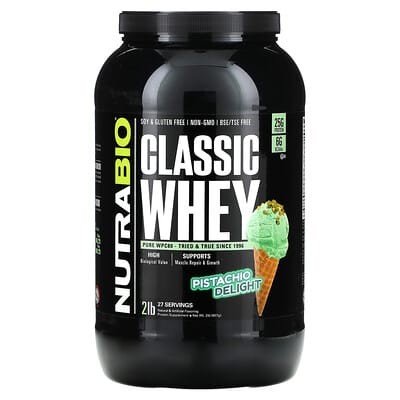
Nutrient quality
Whey concentrate provides a substantial amount of complete protein for routine supplementation. The unnamed mineral forms and cholesterol contribution limit broader nutritional quality.
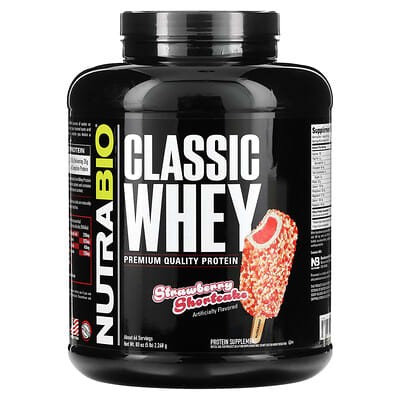
 iHerb iHerb | $ 99.99 | |
 Vitacost Vitacost | $ 99.99 |
The 25 g protein serving is useful for meeting daily protein needs and supporting muscle maintenance. Whey concentrate provides a complete amino-acid profile in a relatively lean nutrition profile.
Potassium and magnesium remain too low to offer strong blood-pressure or vascular support. The 70 mg cholesterol and 135 mg sodium amounts should be considered within the rest of the diet when heart health is the stated priority.
The large container improves supply convenience, but the formula remains a general protein powder rather than a cardiovascular product. Flavoring and other non-active ingredients are not fully described in the supplied facts.
Whey concentrate provides a substantial amount of complete protein for routine supplementation. The unnamed mineral forms and cholesterol contribution limit broader nutritional quality.
The whey source and main nutrition amounts are disclosed without a hidden protein blend. Mineral forms, mixing directions, and the full non-active ingredient list remain unclear.
The aggregate rating is favorable but the response base is modest. No review text is supplied, so repeated complaints and specific product experiences cannot be verified.
The substantial protein serving gives the formula useful practical value. The ongoing cost and incomplete label detail keep it from being a clear category leader.
| Ingredient | Amount per serving |
|---|---|
Calories | 130 Calorie(s) |
Total Fat | 2 Gram(s) |
Cholesterol | 70 mg |
Total Carbohydrates | 2 Gram(s) |
Protein | 25 Gram(s) |
Calcium | 157 mg |
Phosphorus | 102 mg |
Magnesium | 22 mg |
Sodium | 135 mg |
Potassium | 160 mg |
Whey Protein concentrate | 32.47 Gram(s) |
The sodium amount is too low to replace substantial sweat losses during intense activity. Source quality and supporting-electrolyte absorption remain uncertain because their chemical forms are incomplete. The supplied data show no clear additive concern, while cost efficiency is limited or uncertain.
The label states an elemental phosphorus amount but does not name its source compound, leaving its bone relevance uncertain. The 102 mg serving sits in the targeted supplemental range and is delivered efficiently. Cost per serving is high compared with the collection benchmark, weakening value for phosphorus-focused use.
The serving contributes a moderate amount of potassium, but its food-derived chemical form is not identified. The dietary label likely reports elemental potassium without stating that explicitly. Value is limited because the potassium dose remains below the collection median at a relatively high cost per serving.
Published studies used for the product analysis and the top-ranked studies for each ingredient and goal.