
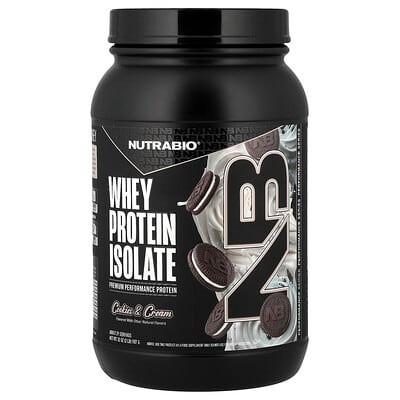
Nutrient quality
Whey isolate supplies a substantial, protein-focused serving with little carbohydrate or fat. Mineral compounds are not identified, so their form quality cannot be judged.
 Vitacost Vitacost | $ 59.99 | |
 iHerb iHerb | $ 59.99 | |
| iHerb | $ 59.99 |
Each scoop supplies 25 g of whey protein isolate, a complete dairy protein suited to increasing daily protein intake and supporting recovery. The serving has 1 g of carbohydrate and 0 g of fat, keeping the macronutrient profile relatively lean.
Potassium at 150 mg and phosphorus at 64 mg contribute modest mineral amounts. Those nutrients do not make the powder a targeted heart product, and the formula does not address blood pressure, lipids, or vascular function directly.
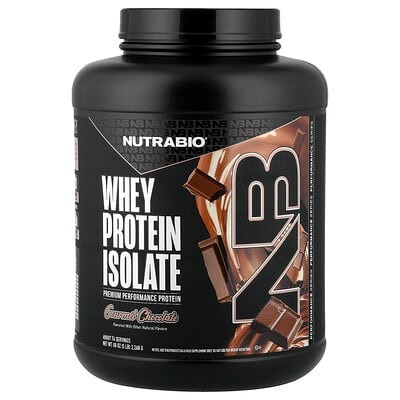
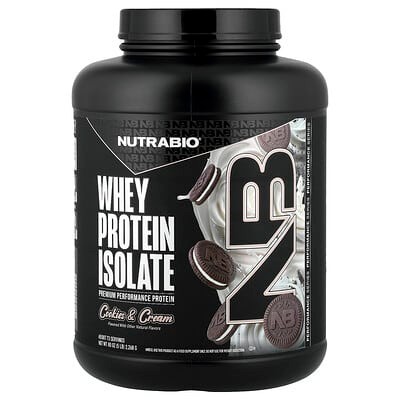
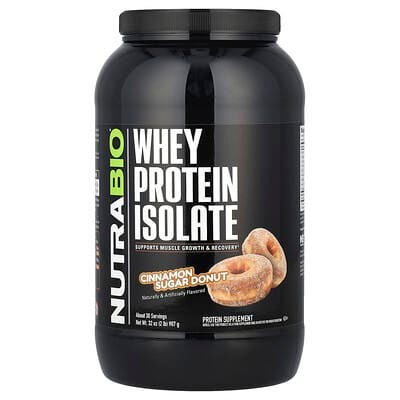
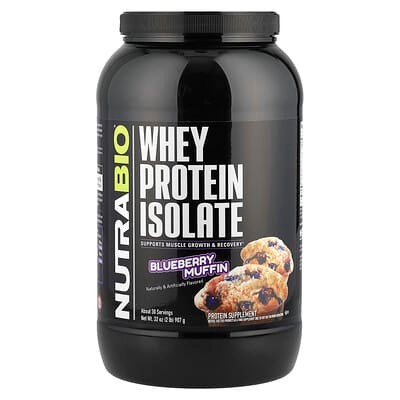
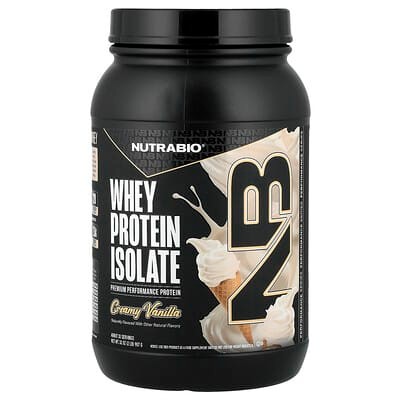
The two-pound container is easier to store but delivers fewer servings than the larger version. Sunflower lecithin supports mixing, while the supplied data do not include specific taste or texture evidence.
Whey isolate supplies a substantial, protein-focused serving with little carbohydrate or fat. Mineral compounds are not identified, so their form quality cannot be judged.
Principal nutrient amounts are stated clearly and no proprietary blend hides the protein serving. Complete use directions and a full other-ingredients list are not included in the supplied facts.
The supplied average rating is strong and the review volume is sufficient for a useful broad signal. No detailed comments are provided to assess repeated complaints or whether experiences match the intended use.
The useful protein serving is paired with a relatively high recurring cost. Whey isolate quality helps justify the cost, though incomplete ingredient disclosure limits comparison.
| Ingredient | Amount per serving |
|---|---|
Calories | 110 Calorie(s) |
Cholesterol | 5 mg |
Total Carbohydrates | 1 Gram(s) |
Protein | 25 Gram(s) |
Calcium | 138 mg |
Phosphorus | 64 mg |
Magnesium | 22 mg |
Sodium | 95 mg |
Potassium | 150 mg |
Whey Protein isolate (Sunflower Lecithin) | 28.74 Gram(s) |
The serving supplies a moderate potassium amount, while the whey-derived chemical form remains unknown. The dietary label likely gives elemental potassium but does not make that explicit. The near-median cost is difficult to justify for potassium alone because the dose is well below the collection median.
The label states an elemental phosphorus amount but does not name its source compound, leaving its bone relevance uncertain. The 64 mg serving is likely incidental rather than a targeted phosphorus dose, although one scoop is practical. Cost per serving is high compared with the collection benchmark, weakening value for phosphorus-focused use.
Published studies used for the product analysis and the top-ranked studies for each ingredient and goal.