
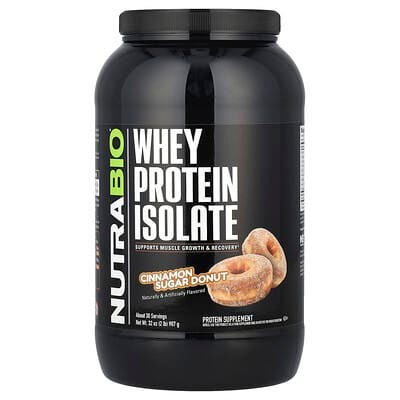
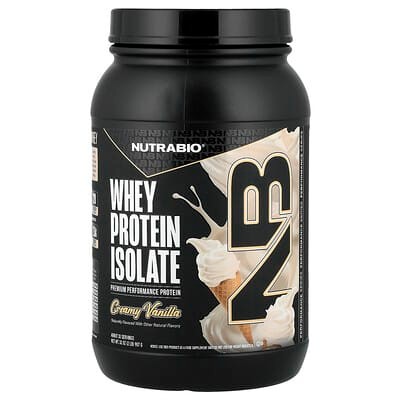
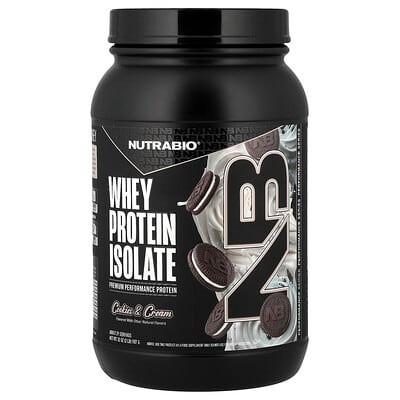
Nutrient quality
Whey isolate provides a substantial amount of complete protein in a lean format. The implausible cholesterol entry and unnamed mineral forms reduce safety and form confidence.
 iHerb iHerb | $ 59.99 |
The isolate supplies 25 g of complete protein in a low-carbohydrate, fat-free listed serving. It fits general protein intake and exercise recovery better than any disease-specific use.
Potassium and magnesium amounts are too modest to create a strong cardiovascular benefit. No lipid, nitric-oxide, vascular, or cardiac-energy ingredient broadens the heart pathway.
The cholesterol entry should be checked because its unit does not fit a normal protein-powder label. The supplied information also omits a full accounting of flavoring and sweetener ingredients.
Whey isolate provides a substantial amount of complete protein in a lean format. The implausible cholesterol entry and unnamed mineral forms reduce safety and form confidence.
The whey source and main nutrient amounts are disclosed without a hidden protein blend. The cholesterol unit, mineral forms, directions, and full non-active ingredient list remain unclear.
The aggregate rating is favorable but the response base is modest. No review text is supplied, so repeated complaints and specific product experiences cannot be verified.
The isolate format supports ingredient quality and supplies meaningful protein. A relatively high ongoing cost and serious label ambiguity weaken value.
| Ingredient | Amount per serving |
|---|---|
Calories | 110 Calorie(s) |
Total Fat | 0 Gram(s) |
Cholesterol | 5 Gram(s) |
Total Carbohydrates | 1 Gram(s) |
Protein | 25 Gram(s) |
Calcium | 138 mg |
Phosphorus | 63 mg |
Magnesium | 22 mg |
Sodium | 110 mg |
Potassium | 150 mg |
Whey Protein isolate (Sunflower Lecithin) | 28.74 Gram(s) |
The 110 mg sodium serving is too low for robust replacement during intense or prolonged exercise. The sodium source is not identified, which limits confidence in mineral quality. Its serving cost is relatively high for a formula aimed mainly at broader nutrition or performance rather than hydration.
The potassium appears to come from food ingredients, but its chemical form is not identified. The 150 mg amount is moderate but remains below the collection median, and the label does not fully separate compound weight from elemental yield. Value is limited for potassium alone, while the broader whey protein isolate supplies most of the practical appeal.
The label states an elemental phosphorus amount but does not name its source compound, leaving its bone relevance uncertain. The 63 mg serving is likely incidental rather than a targeted phosphorus dose, although one scoop is practical. Cost per serving is high compared with the collection benchmark, weakening value for phosphorus-focused use.
Published studies used for the product analysis and the top-ranked studies for each ingredient and goal.