Impact
High effect
Typical dose:500–1500 mg
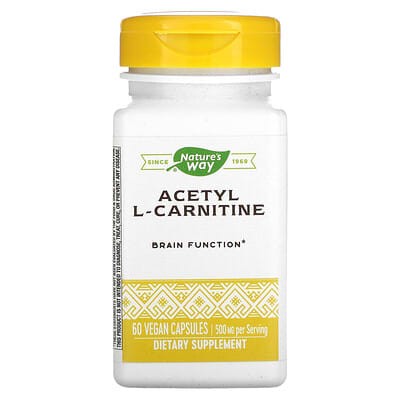
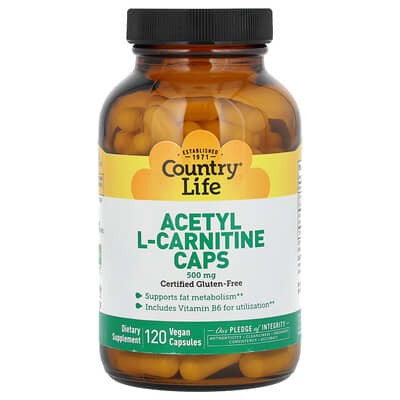
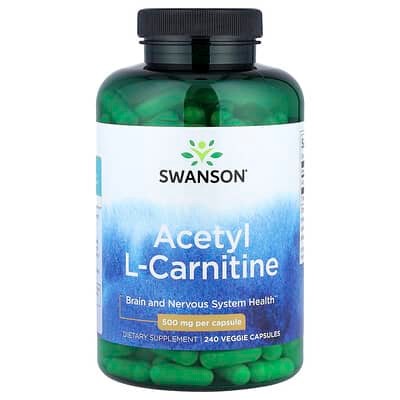
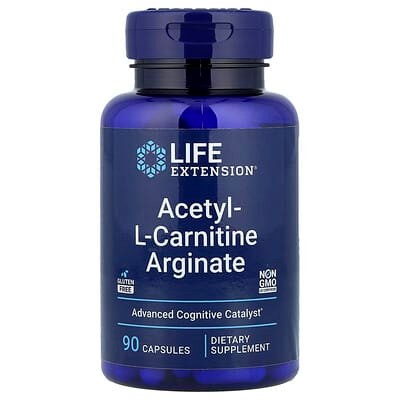
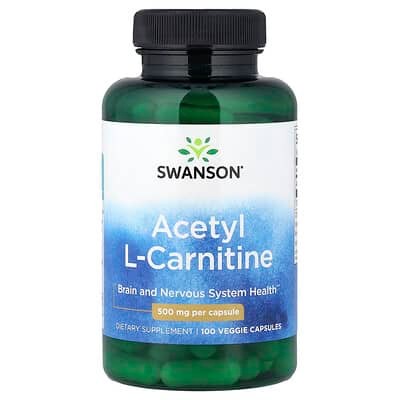
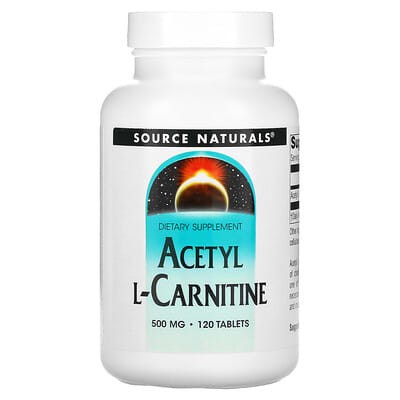
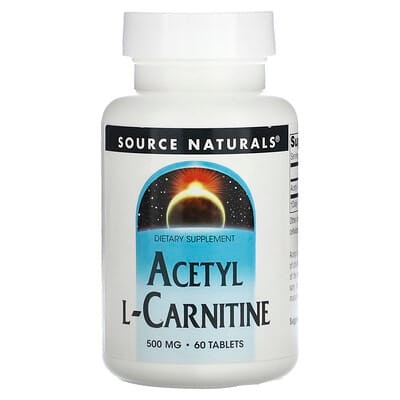
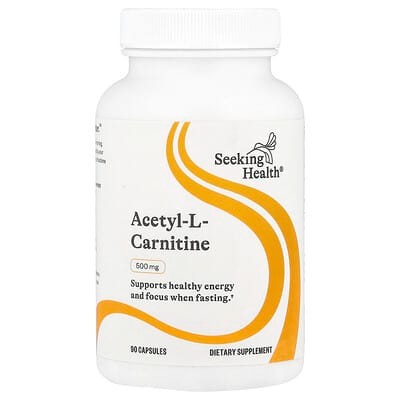
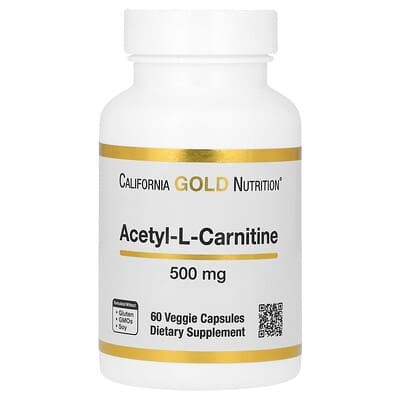
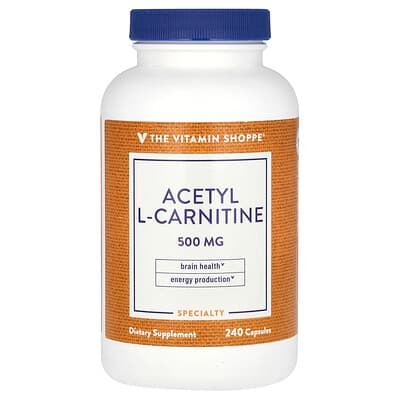
This form of L-Carnitine can cross the blood-brain barrier, where it helps transport fatty acids into mitochondria to be burned for energy. This process supports mental energy, reduces mental fatigue, and may improve focus and processing speed, particularly in aging individuals.
- Focuses on
- Most relevant for
- Older adults facing age-related mental fatigue or individuals seeking to support cognitive health during early-stage memory decline.
Potential benefits
- Support for Age-Related Memory.Trials in older adults with fatigue or pre-frailty show improvements in scores on memory and attention assessments.
- Reduction in Mental Fatigue.Clinical studies suggest it may help reduce mental fatigue and improve concentration in individuals facing metabolic stress or aging.
- Slowing Cognitive Decline.Unconfirmed. Some evidence suggests a slower rate of decline in early-stage cognitive impairment, though this effect has not been consistently proven in larger trials.
Limitations
- Mixed Results in Dementia.Several large studies failed to show a meaningful benefit for cognitive or functional outcomes in patients with Alzheimer’s disease.
- Lack of Data for Healthy Adults.There is currently no established evidence that this ingredient improves memory or cognitive performance in young, healthy populations.
- Context-Dependent Benefits.Significant cognitive improvements are often linked to specific clinical conditions, such as liver-related brain dysfunction, and may not generalize to the general public.
Things to consider
Gastrointestinal side effects, including nausea and vomiting, have been reported in some clinical trials.
Study evidence
20 studiesAcetyl L-Carnitine has shown cognitive benefits in some people with liver-related brain dysfunction and in selected older populations, but results in Alzheimer’s disease are inconsistent. The available research does not establish a reliable memory or attention benefit for generally healthy adults.
View goal