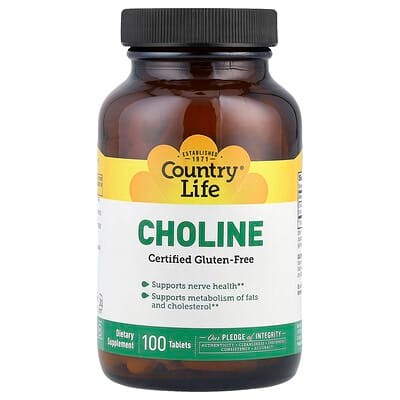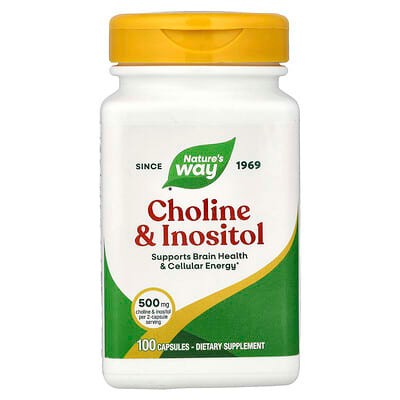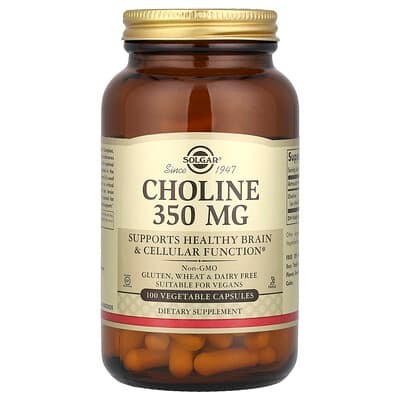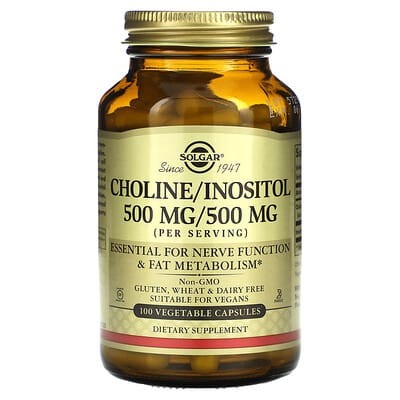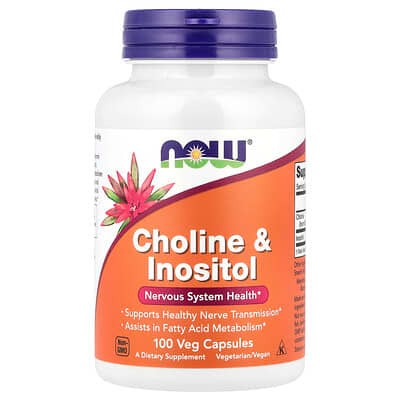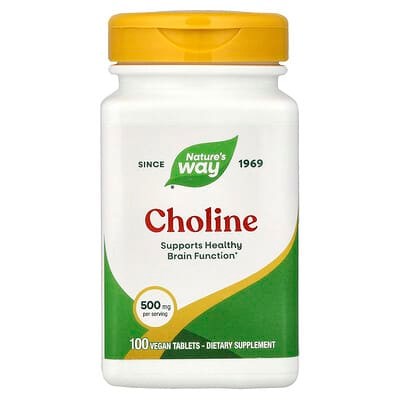
Choline

vitamin

Choline is an essential nutrient that plays a pivotal role in maintaining the structural integrity of cell membranes and participating in lipid transport. It acts as a precursor for the neurotransmitter acetylcholine, which is critical for memory, mood, and muscle control. While the body can synthesize some choline, dietary intake is usually required to meet daily needs. Its functions extend to supporting liver health by assisting in the transport of fats and cholesterol. Choline is also involved in methylation pathways, which are fundamental for DNA synthesis and natural detoxification processes. This broad involvement makes it significant for overall cellular health and physiological balance. Adequate intake is particularly important during pregnancy to support fetal brain development. It also contributes to cardiovascular health by helping regulate homocysteine levels. These multifaceted roles highlight its importance for the neurological, hepatic, and metabolic systems.

Natural sources
Eggs (especially egg yolks)Beef liverChickenFish (e.g., salmon, cod)SoybeansQuinoaBroccoliBrussels sproutsPeanutsMushrooms

Ingredient forms

No public comparison lists found.

Timing & Intake
AnytimeWith food
Taking choline with meals may help minimize potential gastrointestinal discomfort.
Daily Intake
RDA (Men)550 mg
RDA (Women)425 mg
RDI550 mg
Optimal Dosage
Minimum250 mg
Maximum500 mg
Safety & Toxicity
Upper Limit (UL)3500 mg
Toxicity Threshold7000 mg
Toxicity Effecthypotension, fishy odor
3 safety notes
  • Individuals with trimethylaminuria (TMAU) should avoid choline supplements as it can exacerbate the fishy body odor.
  • Pregnant and breastfeeding women should consult a healthcare professional before supplementing, though choline is crucial during these periods.
  • Avoid exceeding recommended dosages as very high intake may lead to adverse effects like low blood pressure or gastrointestinal distress.
Goals
Cognitive Support
Impact
Highest effect
Typical dose:250–1000 mg
Choline is a direct precursor to acetylcholine, a neurotransmitter vital for learning, memory, and focus. It is also a key component of phosphatidylcholine, which is necessary for the structural integrity of brain cell membranes. Ensuring adequate choline intake supports fundamental cognitive architecture and signaling.

Study evidence

76 studies

Choline is essential for normal brain function, but extra supplementation does not consistently improve cognition. Some forms show memory benefits in selected clinical or developmental settings, while mixed and negative findings prevent a general claim that Choline supplements sharpen thinking or prevent cognitive decline.

View goal

Mental Focus
Impact
Highest effect
Typical dose:250–1000 mg
Choline is an essential building block for the neurotransmitter acetylcholine and for the structural integrity of brain cell membranes (phosphatidylcholine). Adequate choline intake is critical for baseline cognitive processing, and supplementation can help ensure the brain has sufficient resources for demanding mental tasks.

Study evidence

22 studies

The evidence does not show that Choline reliably improves everyday mental focus. Attention benefits appear in selected research on citicoline or early development, but ordinary choline supplementation and reviews in cognitively impaired adults have also produced no clear attention benefit.

View goal
Detoxification
Impact
High effect
Typical dose:250–1000 mg
Choline is a key component of VLDL particles, which are necessary to export triglycerides from the liver. A deficiency can lead to non-alcoholic fatty liver disease (NAFLD), severely compromising the liver's ability to perform its metabolic and detoxification functions.

Study evidence

6 studies

Choline is essential for normal liver function, and correcting deficiency can reverse related liver problems. The supplied evidence does not show that extra choline improves toxin removal or provides a general detoxification benefit in people with adequate intake.

View goal

Studies

Research connections will load here.
Interactions

Positive Interactions

Folate
Choline acts as a methyl donor and is closely involved with folate in the methylation cycle, supporting homocysteine metabolism.
Vitamin B12
Choline works synergistically with Vitamin B12 in methylation pathways, essential for cellular function and homocysteine regulation.
Betaine Anhydrous
Betaine is a metabolite of choline, and they work together as methyl donors, especially for liver health and homocysteine reduction.
METHIONINE
Choline metabolism is linked to the methionine cycle, as choline can be synthesized from methionine and both are involved in essential methylation reactions.
SAMe
As a primary methyl donor, SAMe's functions are supported by choline, which also contributes to overall methylation capacity in the body.
Omega-3
Choline is crucial for the synthesis of phospholipids that incorporate Omega-3 fatty acids into cell membranes, particularly in the brain, enhancing cognitive benefits.
DHA
Choline is essential for incorporating DHA into brain cell membranes, supporting brain structure, fluidity, and cognitive function.
EPA (Eicosapentaenoic Acid)
Choline aids in the integration of EPA into cell membranes, contributing to cellular health and potentially supporting the anti-inflammatory effects of EPA.
Acetyl L-Carnitine
Both choline and Acetyl L-Carnitine are involved in brain health and the production of acetylcholine, a vital neurotransmitter for memory and learning.
Alpha-GPC
Alpha-GPC is a highly bioavailable form of choline, and their combined intake can enhance acetylcholine synthesis and support cognitive functions.
Sources

Up to five highest-ranked published examples per goal. Study counts and charts include all published studies for the connection.

  1. Cognitive improvement in mild to moderate Alzheimer's dementia after treatment with the acetylcholine precursor choline alfoscerate: a multicenter, double-blind, randomized, placebo-controlled trial.
    De Jesus Moreno Moreno M · Clinical therapeutics · 2003
    Randomized trial261 participantsCognitive Support
  2. Association of dietary choline intake with incidence of dementia, Alzheimer disease, and mild cognitive impairment: a large population-based prospective cohort study.
    Niu YY; Yan HY; Zhong JF; Diao ZQ; Li J; Li CP; Chen LH; Huang WQ; Xu M; Xu ZT; Liang XF; Li ZH; Liu D · The American journal of clinical nutrition · 2025
    Cohort study125,594 participantsCognitive Support
  3. Choline intake during pregnancy and child cognition at age 7 years.
    Boeke CE; Gillman MW; Hughes MD; Rifas-Shiman SL; Villamor E; Oken E · American journal of epidemiology · 2013
    Cohort study895 participantsCognitive Support
  4. Effects of choline alfoscerate on cognitive function and quality of life in type 2 diabetes: A double-blind, randomized, placebo-controlled trial.
    Sohn M; Park YH; Lim S · Diabetes, obesity & metabolism · 2025
    Randomized trial36 participantsCognitive Support
  5. Maternal choline supplementation mitigates alcohol exposure effects on neonatal brain volumes.
    Warton FL; Molteno CD; Warton CMR; Wintermark P; Lindinger NM; Dodge NC; Zöllei L; van der Kouwe AJW; Carter RC; Jacobson JL; Jacobson SW; Meintjes EM · Alcoholism, clinical and experimental research · 2022
    Randomized trial52 participantsCognitive Support
  6. Four-year follow-up of a randomized controlled trial of choline for neurodevelopment in fetal alcohol spectrum disorder.
    Wozniak JR; Fink BA; Fuglestad AJ; Eckerle JK; Boys CJ; Sandness KE; Radke JP; Miller NC; Lindgren C; Brearley AM; Zeisel SH; Georgieff MK · Journal of neurodevelopmental disorders · 2021
    Randomized trial31 participantsMental Focus
  7. The relation of dietary choline to cognitive performance and white-matter hyperintensity in the Framingham Offspring Cohort.
    Poly C; Massaro JM; Seshadri S; Wolf PA; Cho E; Krall E; Jacques PF; Au R · The American journal of clinical nutrition · 2012
    Cohort study1,391 participantsMental Focus
  8. Association between Maternal Choline, Fetal Brain Development, and Child Neurocognition: Systematic Review and Meta-Analysis of Human Studies.
    Obeid R; Derbyshire E; Schön C · Advances in nutrition (Bethesda, Md.) · 2022
    Meta-analysis30 studies pooledMental Focus
  9. Effect of Choline Supplementation on Neurological, Cognitive, and Behavioral Outcomes in Offspring Arising from Alcohol Exposure During Development: A Quantitative Systematic Review of Clinical and Preclinical Studies.
    Akison LK; Kuo J; Reid N; Boyd RN; Moritz KM · Alcoholism, clinical and experimental research · 2019
    Systematic reviewMental Focus
  10. Perinatal choline effects on neonatal pathophysiology related to later schizophrenia risk.
    Ross RG; Hunter SK; McCarthy L; Beuler J; Hutchison AK; Wagner BD; Leonard S; Stevens KE; Freedman R · The American journal of psychiatry · 2013
    Randomized trialMental Focus
  11. Choline and contribution to normal liver function of the foetus and exclusively breastfed infants: evaluation of a health claim pursuant to Article 14 of Regulation (EC) No 1924/2006.
    EFSA Panel on Nutrition, Novel Foods and Food allergens (NDA); Turck D; Bohn T; Castenmiller J; De Henauw S; Hirsch-Ernst KI; Knutsen HK; Maciuk A; Mangelsdorf I; McArdle HJ; Naska A; Pentieva K; Thies F; Tsabouri S; Vinceti M; Bresson JL; Fiolet T; Siani A · EFSA journal. European Food Safety Authority · 2024
    Guideline / consensusDetoxification
  12. Adiposity May Moderate the Link Between Choline Intake and Non-alcoholic Fatty Liver Disease.
    Mazidi M; Katsiki N; Mikhailidis DP; Banach M · Journal of the American College of Nutrition · 2020
    Cross-sectional study20,643 participantsDetoxification
  13. Choline and Choline-Related Metabolites in Pediatric Short Bowel Syndrome.
    Hilberath J; Shunova A; Heister L; Poets CF; Bernhard W · Nutrients · 2026
    Observational study80 participantsDetoxification
  14. Choline Supplementation in Cystic Fibrosis-The Metabolic and Clinical Impact.
    Bernhard W; Lange R; Graepler-Mainka U; Engel C; Machann J; Hund V; Shunova A; Hector A; Riethmüller J · Nutrients · 2019
    Single-arm trial10 participantsDetoxification
  15. 1H MR Spectroscopy at 3T for Hepatic Choline Quantification in Healthy Young Women: A Translational Imaging Study with Dietary Correlation.
    Hawesa H; Alghamdi R; Allam H; Alfaifi B; Alrabiah N; Alghumaiz M; Shanawani M; Alshegri H; Hassan MG · Current medical imaging · 2026
    Cohort study88 participantsDetoxification