Impact
High effect
Typical dose:500–2000 mg
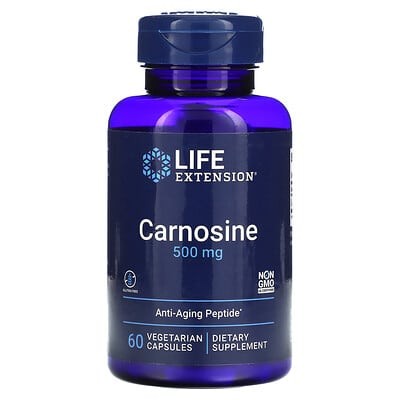
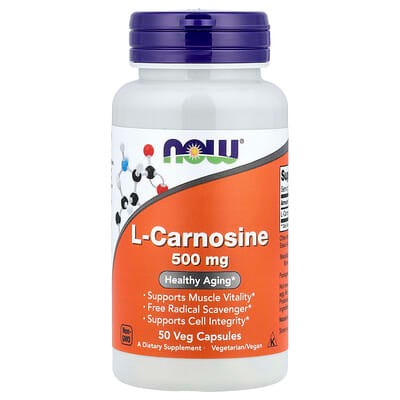
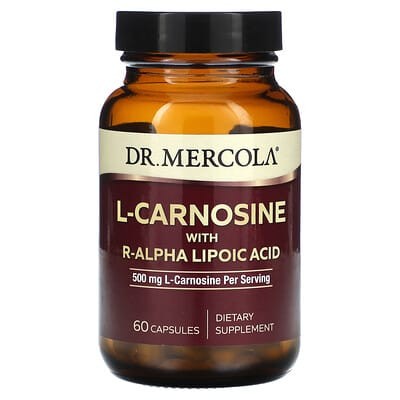
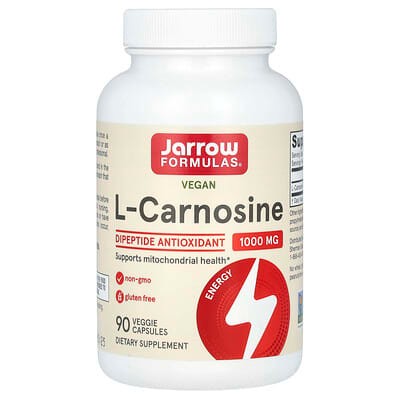
Glycation is a process where sugar molecules bind to proteins, impairing their function and leading to cellular damage. Carnosine is one of the most effective agents at preventing this process. By protecting proteins in the skin, brain, and arteries from glycation, it helps maintain tissue elasticity and function, directly targeting a fundamental driver of aging.
Study evidence
6 studiesCarnosine-containing products show preliminary benefits for selected skin and memory measures, but they have not been shown to slow aging overall. Most relevant human findings involve combinations or specialized formulations, making the contribution of carnosine alone uncertain.
View goal