Chloride
mineralChloride is the most abundant negatively charged ion in the body's extracellular fluid. It is necessary for maintaining fluid and electrolyte balance, which supports cellular stability. It also contributes to the body's acid-base balance by helping to regulate pH levels. A primary role of chloride is as a component of hydrochloric acid in the stomach. This acid is required for breaking down food, activating digestive enzymes, and managing bacteria ingested with meals, which helps ensure efficient nutrient absorption and gastrointestinal health. Chloride works alongside sodium and potassium to facilitate nerve impulse transmission and muscle contraction. Maintaining adequate levels is important for proper neurological and muscular activity, as well as for overall hydration.
Ingredient forms
- Potassium ChlorideA salt compound providing both potassium and chloride, commonly used as an electrolyte supplement and salt substitute.
- Sodium ChlorideCommon table salt, an essential compound of sodium and chloride, critical for fluid balance and nerve impulses.
- Ionic Trace MineralsA blend of naturally occurring trace minerals in an ionic form, often derived from concentrated sea water, providing various electrolytes including chloride.
- ConcenTraceA proprietary blend of concentrated ionic trace minerals derived from the Great Salt Lake, offering a full spectrum of naturally occurring electrolytes, including chloride.
- Glucosamine Sulfate 2KClA stable form of glucosamine sulfate, where potassium chloride (2KCl) is used as a stabilizer, providing a small amount of chloride.
- ConcenTrace(R)A proprietary blend of concentrated ionic trace minerals derived from the Great Salt Lake, offering a full spectrum of naturally occurring electrolytes, including chloride.
- Betaine HydrochlorideA compound used to supplement stomach acid (hydrochloric acid), which releases chloride ions as part of its digestive function.
- Himalayan Pink Sea SaltA natural rock salt primarily composed of sodium chloride, also containing trace minerals responsible for its pink hue.
- ITMAn abbreviation for Ionic Trace Minerals, referring to a blend of trace minerals in an ionic form, often derived from concentrated sea water, providing various electrolytes including chloride.
- Sea SaltSalt produced from the evaporation of seawater, primarily sodium chloride with small amounts of other naturally occurring minerals.
No public comparison lists found.
3 safety notes
- Individuals with kidney disease or heart failure should monitor chloride intake closely due to its impact on fluid balance and blood pressure.
- Excessive intake of sodium chloride (table salt) is the most common cause of high chloride levels, which can lead to adverse health effects.
- Consult a healthcare professional before supplementing, especially if you have pre-existing medical conditions or are taking medications.
Studies
Positive Interactions
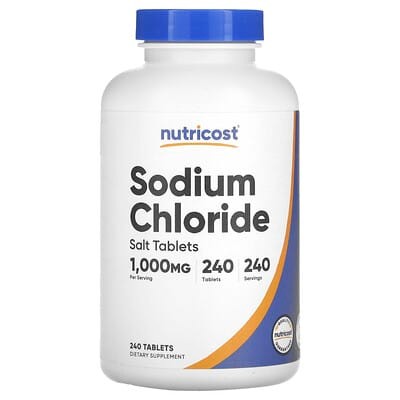
Sodium Chloride 1000 mg

NO! Muscle Cramps
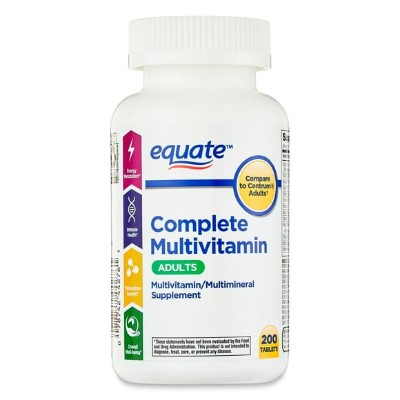
Complete Multivitamin
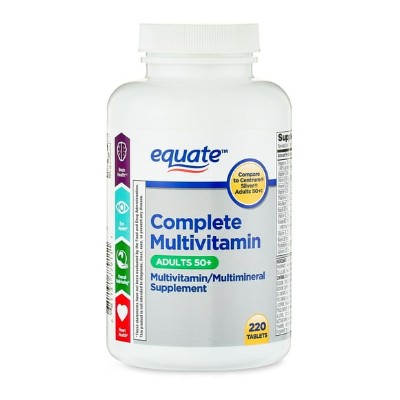
Complete Multivitamin
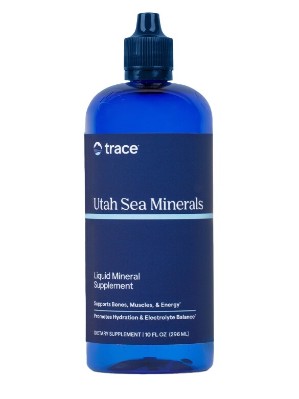
Pure Utah Sea Minerals
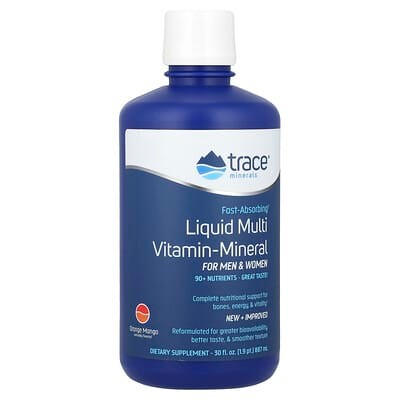
Liquid Multi Vitamin-Mineral Orange Mango
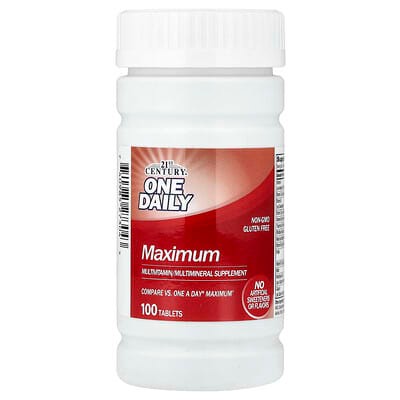
One Daily Maximum
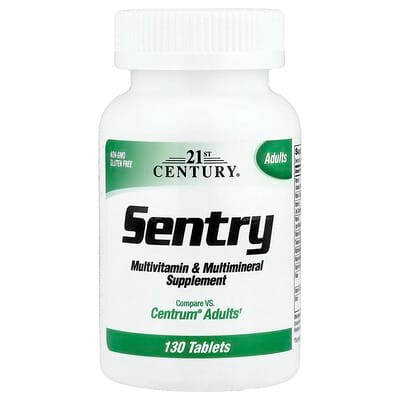
Sentry Adults
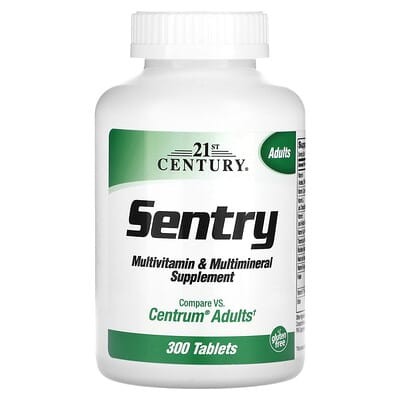
Sentry Adults
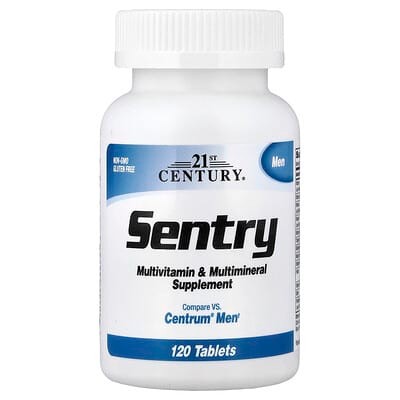
Sentry Men

Sentry Senior Women's 50+
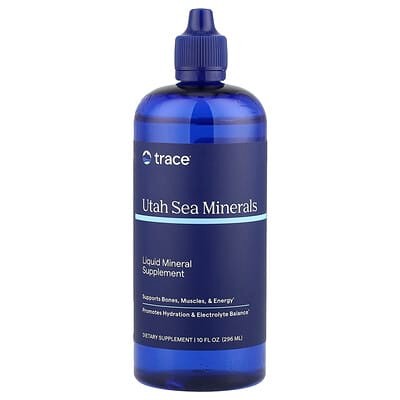
Pure Utah Sea Minerals
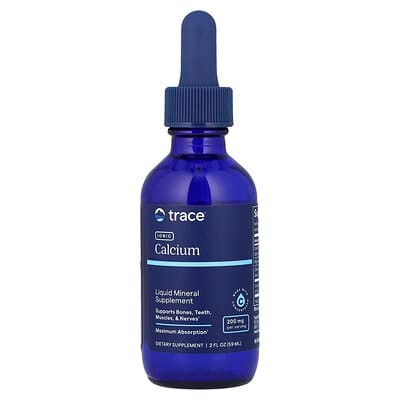
Ionic Calcium 200 mg
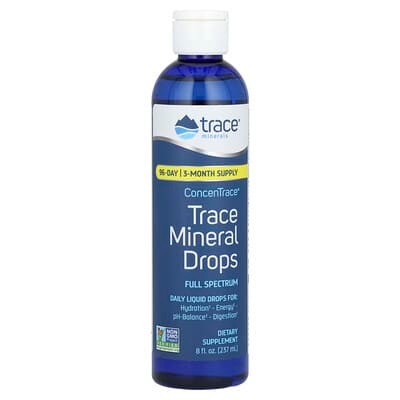
ConcenTrace Trace Mineral Drops

Glucosamine Sulfate 750 mg
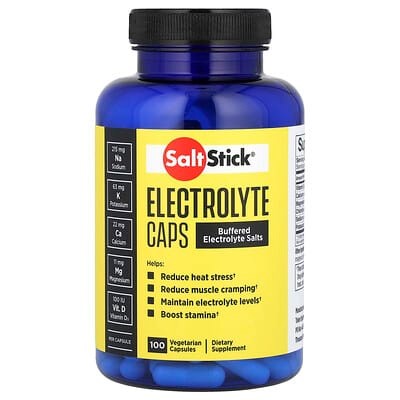
SaltStick Electrolyte Caps
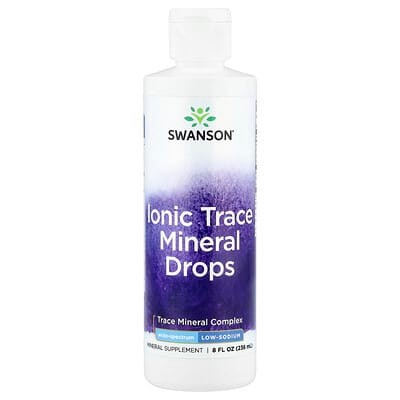
Wide-Spectrum Low-Sodium Ionic Trace Mineral Drops
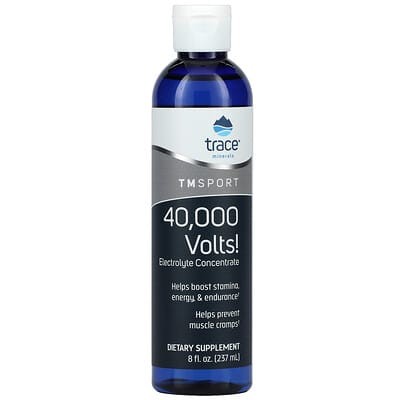
TMSport 40000 Volts! Electrolyte Concentrate
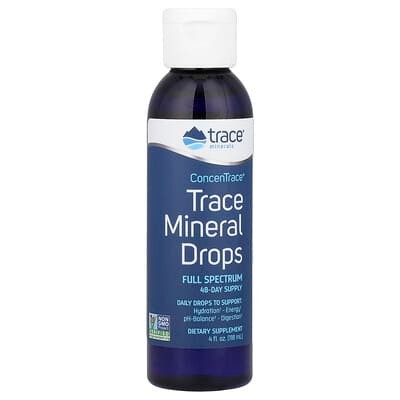
ConcenTrace Trace Mineral Drops
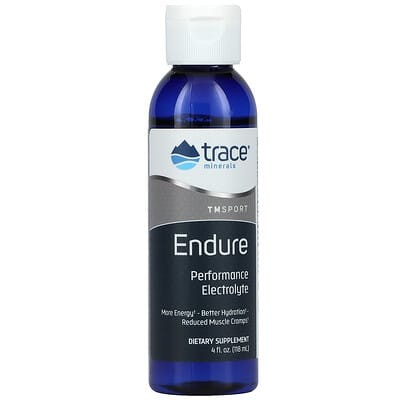
TMSport Endure
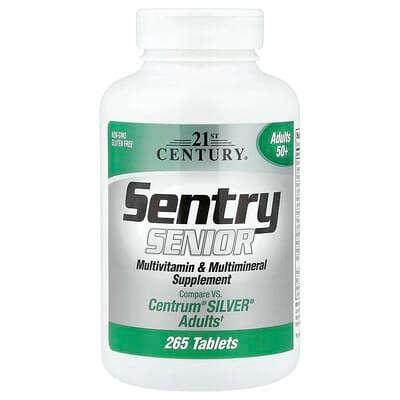
Sentry Senior
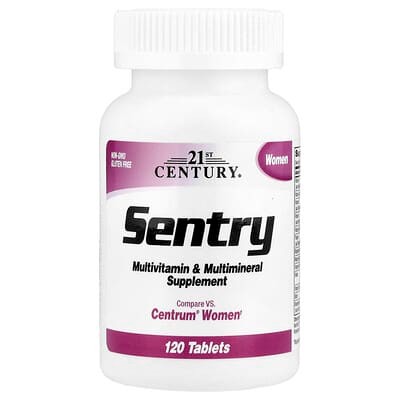
Sentry Women