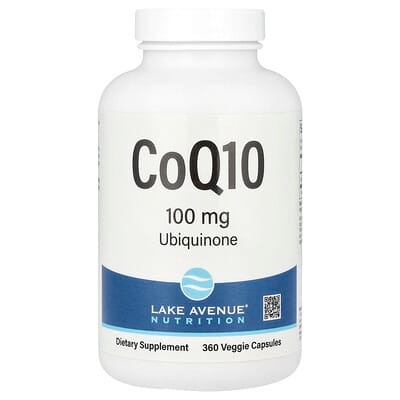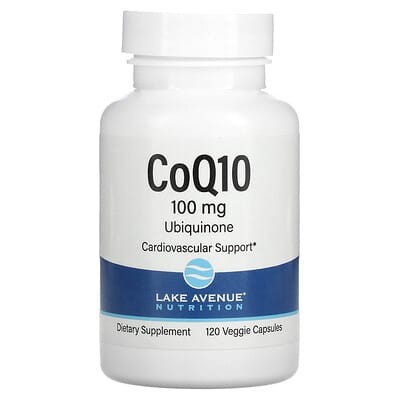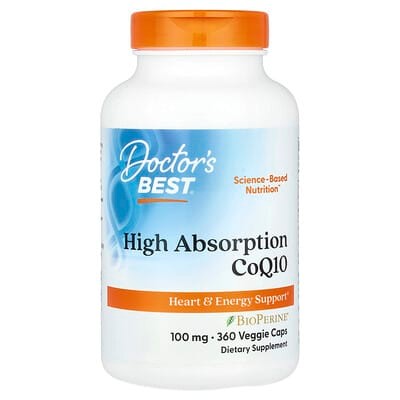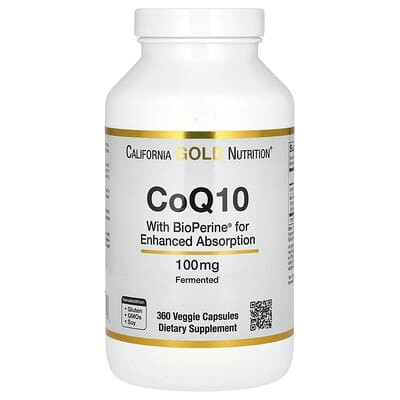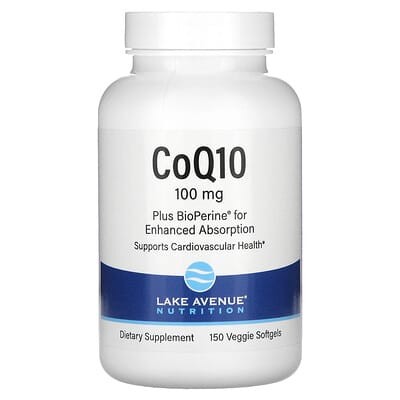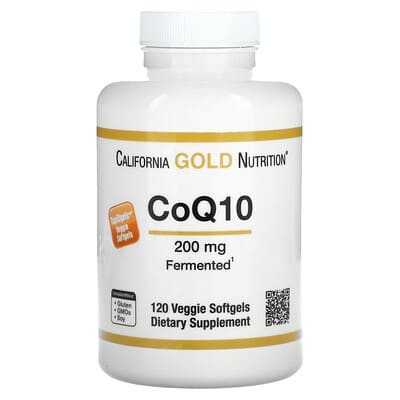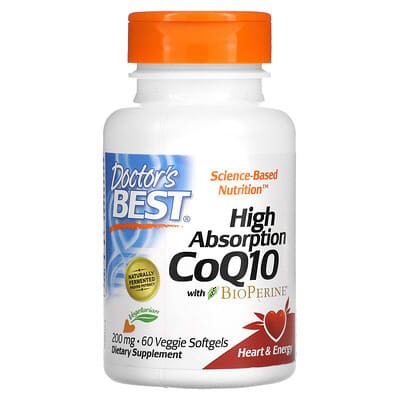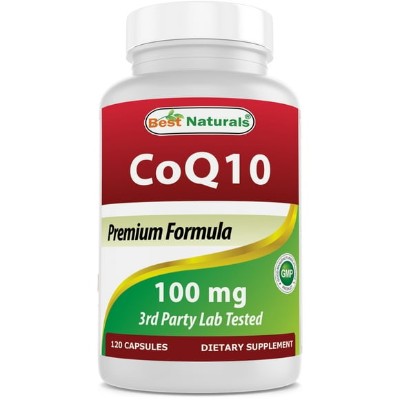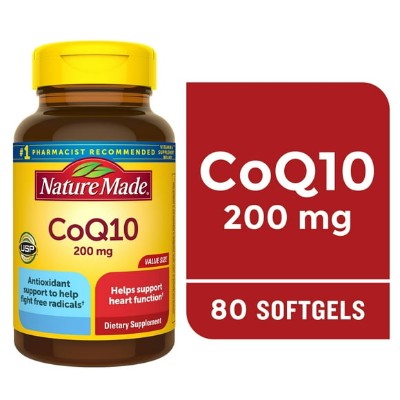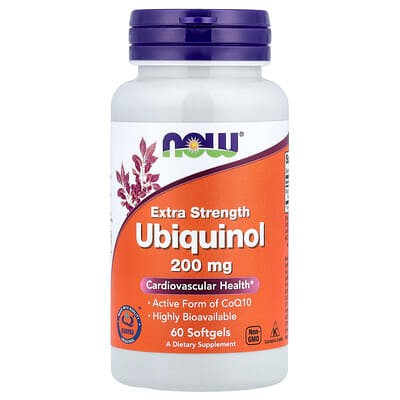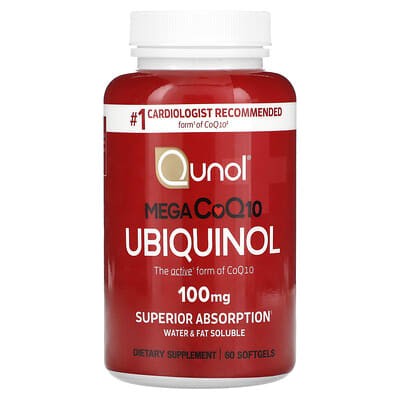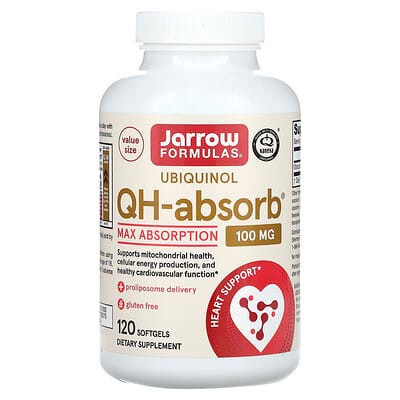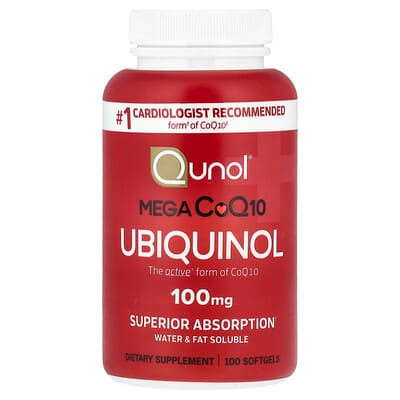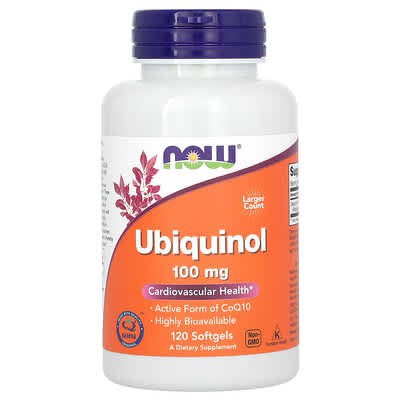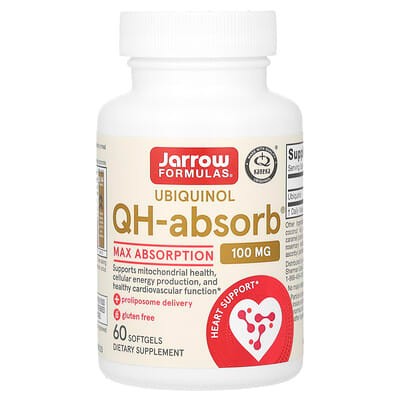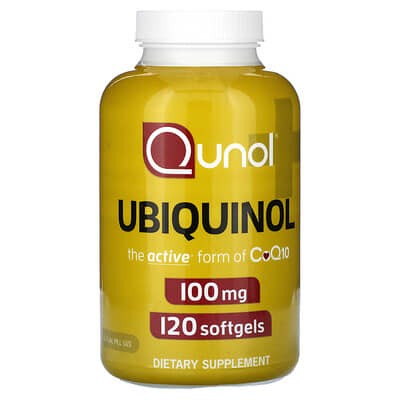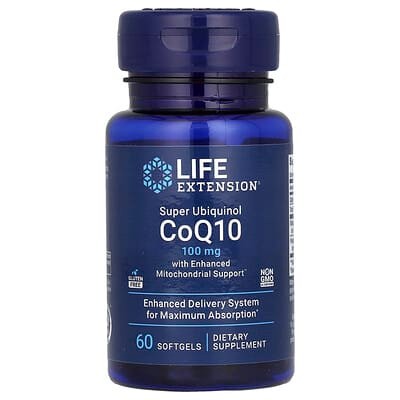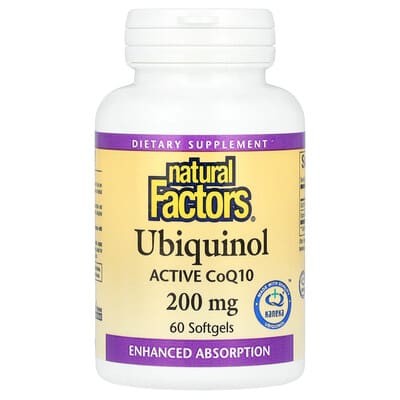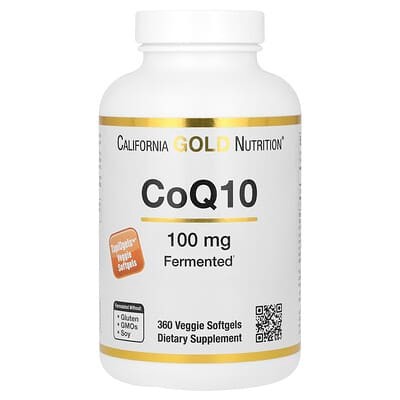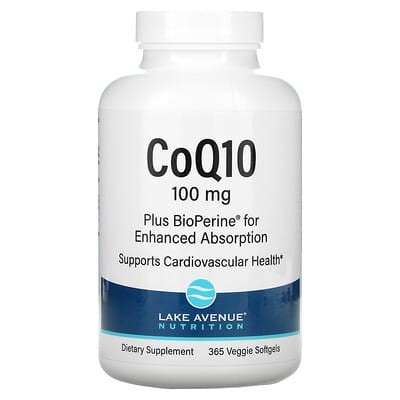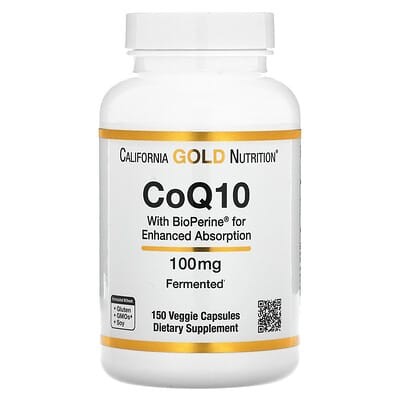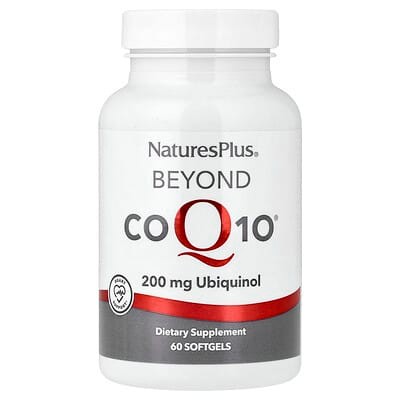
Coenzyme Q10 (CoQ10) is a critical component of the mitochondrial electron transport chain, which generates cellular energy (ATP). The heart has a very high concentration of mitochondria and is highly dependent on CoQ10. Supplementation supports cardiac energy, improves heart function, and can help offset CoQ10 depletion caused by statin medications.
- Focuses on
- Most relevant for
- Individuals managing chronic heart failure or seeking to support cardiovascular risk factors alongside conventional medical treatment.
Potential benefits
- Heart Failure Adjunct.High-quality evidence suggests that when added to standard therapy for chronic heart failure, CoQ10 may reduce major adverse cardiovascular events and lower both cardiovascular and all-cause mortality.
- Vascular Function Support.Supplementation has been shown to improve endothelial health and blood vessel dilation in patients with coronary artery disease and metabolic dysfunction, potentially by reducing oxidative stress.
- Lipid Profile Modulation.Meta-analyses indicate that CoQ10 can modestly reduce total cholesterol and LDL levels while slightly increasing HDL, particularly in populations with diabetes or coronary artery disease.
Limitations
- Inconsistent Blood Pressure Effects.While some meta-analyses show systolic blood pressure reduction in metabolic conditions, comprehensive reviews of primary hypertension have found no clinically significant effect.
- Variable Lipid Response.Benefits for triglycerides and specific lipid markers like Lp(a) are inconsistent across trials, with several high-quality studies showing no significant improvement.
- General Population Uncertainty.Large-scale cohort data indicates that CoQ10 use is not associated with reduced cardiovascular mortality in the general population, suggesting benefits may be limited to specific clinical groups.
Things to consider
CoQ10 is an adjunctive supplement and should never replace prescribed medications for heart failure or hypertension. While often used to offset statin-related depletion, evidence that it provides additional anti-inflammatory protection for statin users is currently mixed.
Study evidence
89 studiesCoenzyme Q-10 shows promise as an addition to usual treatment for chronic heart failure, including fewer serious cardiovascular events in some research. Its effects on blood pressure and cholesterol are inconsistent, and these findings do not establish broad heart protection for otherwise healthy people.