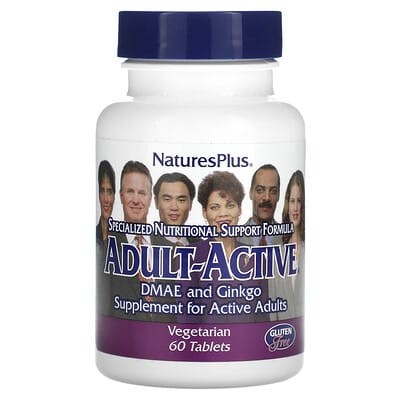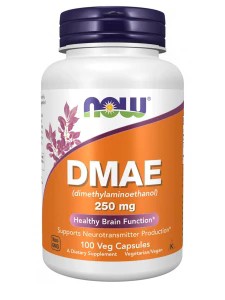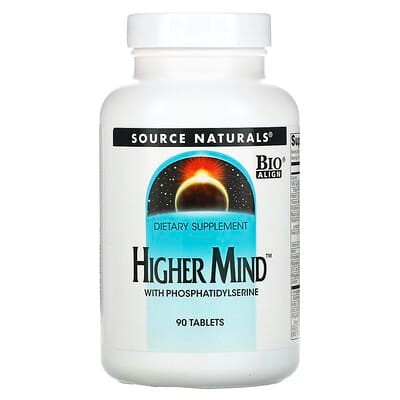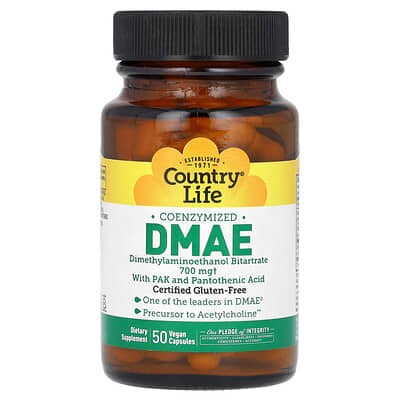
Impact
Limited evidence
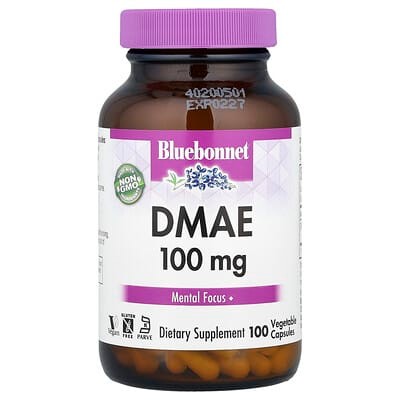
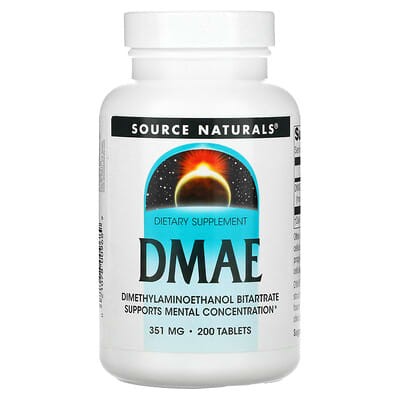
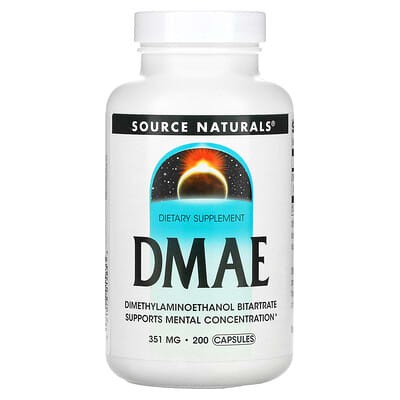
Typical dose:100–500 mg
The theory that Deanol (DMAE) significantly increases brain acetylcholine levels is not well-supported by robust clinical data. Human studies have yielded mixed to negative results regarding its efficacy for improving memory or focus, and its mechanism of action remains unclear.
- Focuses on
- Most relevant for
- Individuals interested in the theoretical role of acetylcholine precursors who should be aware of the lack of robust clinical evidence for cognitive enhancement.
Potential benefits
- Induced Deficit Recovery.Unconfirmed. A specific variant, DMAE pyroglutamate, has shown potential in reducing memory impairment caused by scopolamine, but this effect is unproven for standard Deanol supplements.
- Theoretical Cholinergic Support.Unconfirmed. While Deanol is theorized to increase brain acetylcholine, there is no direct evidence that this mechanism leads to improved memory or focus in humans.
Limitations
- No Proven Cognitive Benefit.Human trials in elderly populations have failed to show any significant improvement in memory, focus, or other objective cognitive functions.
- Indirect Evidence.Positive findings often rely on animal models or specific chemical compounds like DMAE pyroglutamate, which differ from standard Deanol.
- Weak Clinical Data.Available research is limited by small sample sizes and uncontrolled designs, making the results regarding behavioral changes unreliable.
Things to consider
Standard Deanol supplements have not been established as effective for enhancing everyday cognition or treating age-related cognitive decline.
Study evidence
2 studiesThe available evidence does not establish that deanol improves everyday memory or cognition. Favorable findings concern a related compound tested against drug-induced memory impairment, while direct research on deanol in people with dementia did not show cognitive improvement.
View goal