Impact
Situational effect
Typical dose:500–600 mg
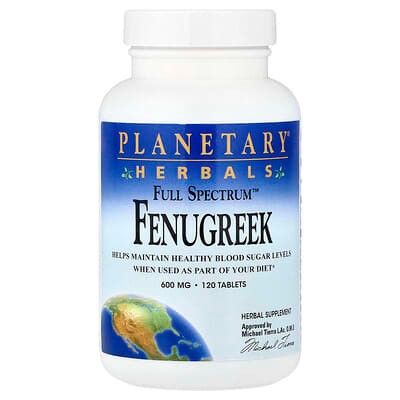
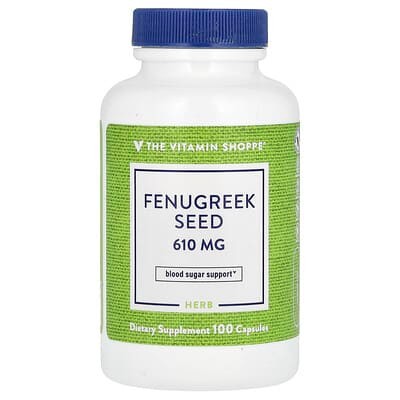
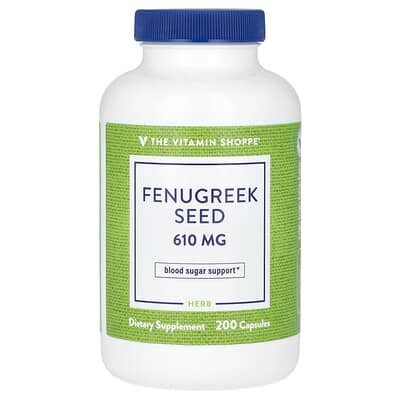
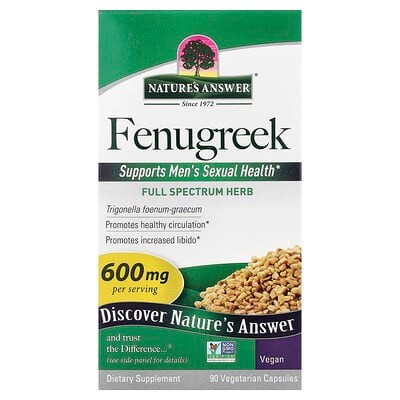
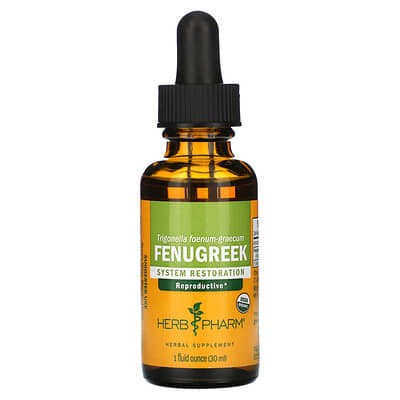
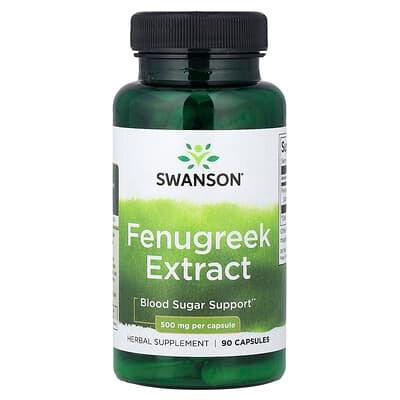
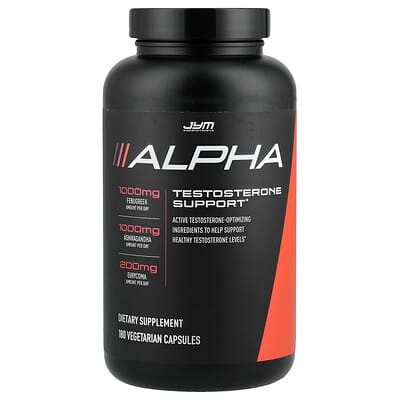
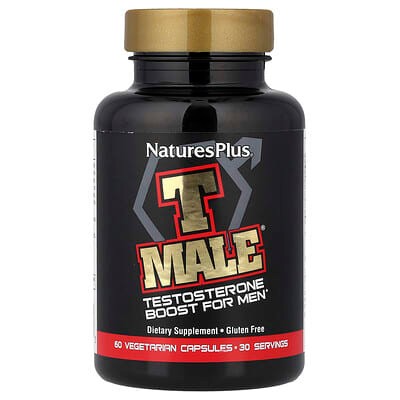
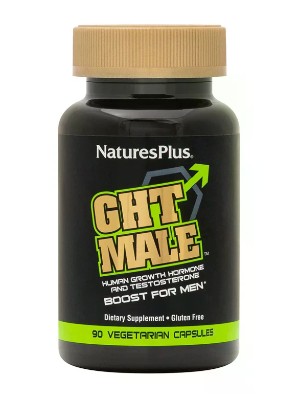
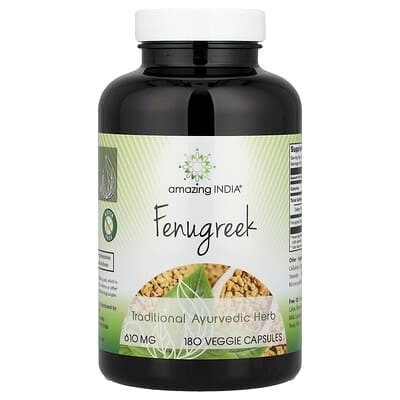
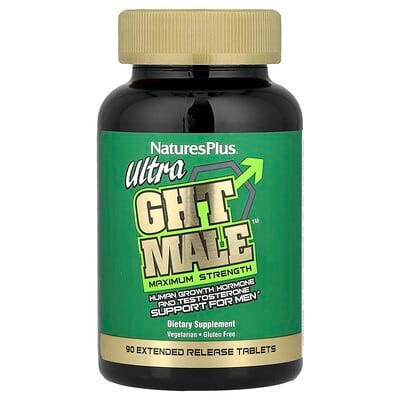
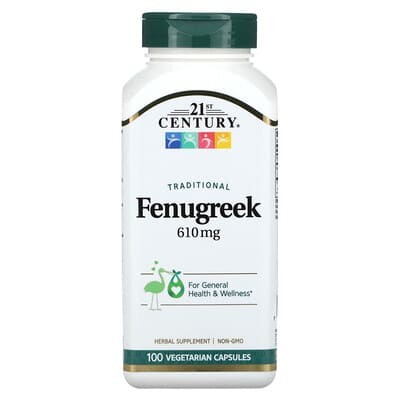
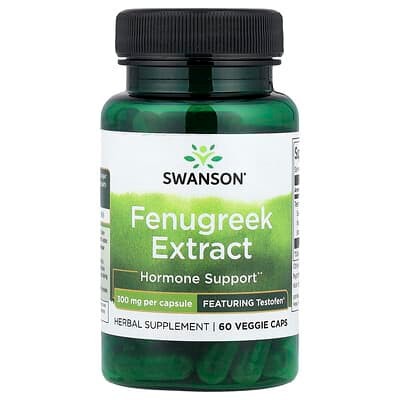
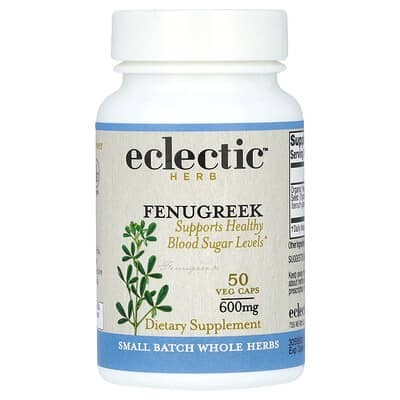
Fenugreek is rich in furostanolic saponins, which are believed to inhibit the enzymes aromatase and 5-alpha-reductase. By reducing the conversion of testosterone to estrogen and DHT, it may help support higher levels of free testosterone, with studies showing positive effects on libido and body composition.
- Focuses on
- Most relevant for
- Adult men, particularly those middle-aged or older, seeking natural support for hormonal health and sexual wellness.
Potential benefits
- Total Testosterone Support.Meta-analyses indicate that certain specialized fenugreek preparations may be associated with small increases in total serum testosterone levels in adult men.
- Male Vitality and Libido.Clinical evidence suggests that standardized seed extracts may help improve sexual function and reduce symptoms associated with age-related hormone decline.
- Free Testosterone Levels.Unconfirmed. While some trials report increases in free testosterone, comprehensive reviews find these results inconsistent and the benefit remains unproven.
Limitations
- Low Evidence Certainty.The overall quality of evidence is considered very low due to risks of bias and small sample sizes in many available clinical trials.
- Extract Specificity.Observed benefits are linked to specific standardized extracts; results may not apply to generic fenugreek powder or non-concentrated preparations.
- Not a Medical Treatment.Research does not support using fenugreek to treat clinical testosterone deficiency or as a replacement for medically supervised therapies.
Study evidence
12 studiesFenugreek extracts may produce a small increase in total testosterone in adult men, but the evidence is very uncertain. Effects on free testosterone are inconsistent, and findings do not establish reliable testosterone support or meaningful improvements in symptoms across products and populations.
View goal