Manganese

Description

Manganese is a crucial trace mineral that serves as a cofactor for numerous enzymes involved in critical bodily functions. It plays a significant role in the metabolism of carbohydrates, amino acids, and cholesterol, helping to convert food into energy. This mineral is also essential for maintaining normal brain and nerve function. Beyond its metabolic roles, Manganese is integral to bone health, contributing to bone formation and density. It's also a key component of superoxide dismutase (SOD), a powerful antioxidant enzyme that helps protect cells from damage caused by free radicals. This contributes to the body's overall defense against oxidative stress. Adequate manganese intake is necessary for proper growth, reproduction, and immune system function. While essential, balance is key, as both deficiency and excessive intake can lead to health issues, particularly neurological problems at very high levels.

Sources
Nuts (e.g., almonds, pecans, walnuts)Legumes (e.g., soybeans, lentils)Whole grains (e.g., oats, brown rice, quinoa)Leafy green vegetables (e.g., spinach, kale)Tea (especially black and green tea)Spices (e.g., cloves, turmeric)Some fruits (e.g., pineapple, berries)
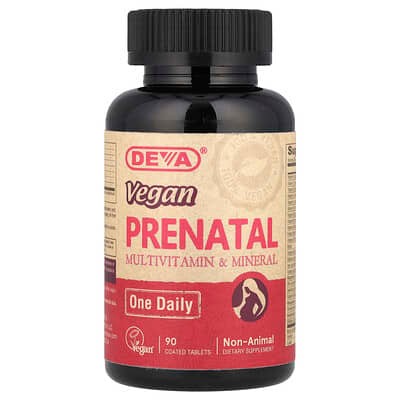
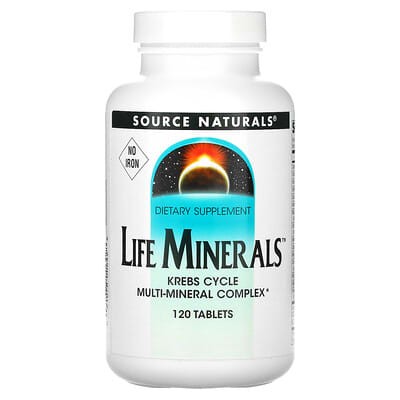
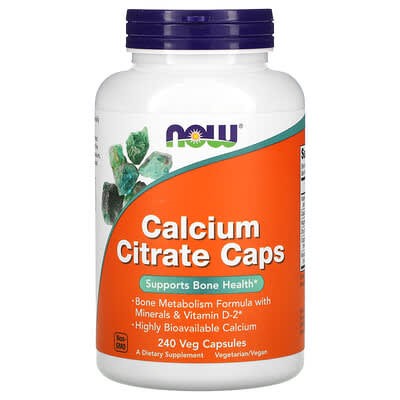
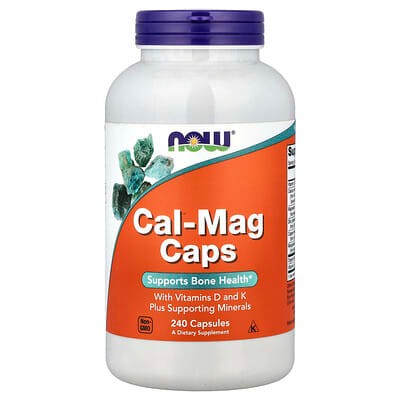
Cheapest Manganese supplements
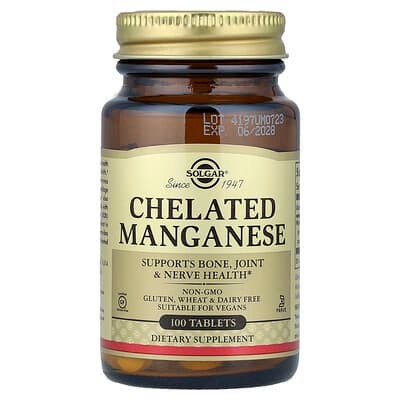
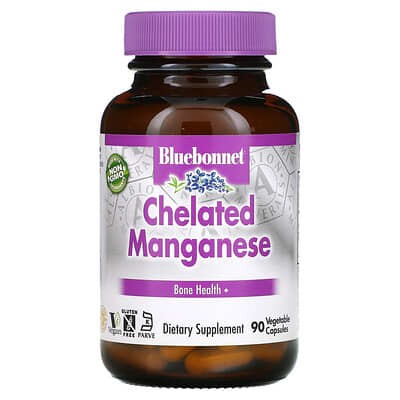
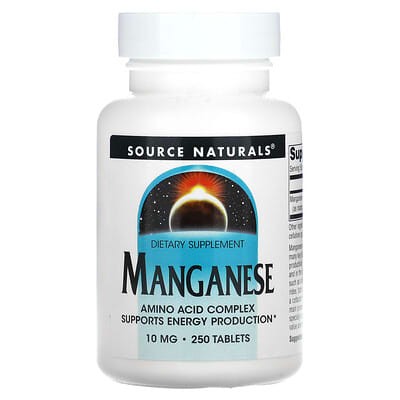
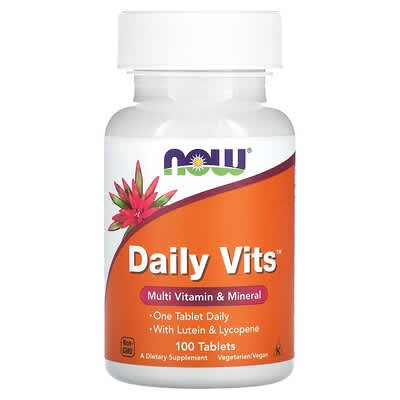
Compare the cheapest Manganese supplements to effectively support your bone and joint health.
Best Manganese supplements
Discover the best Manganese supplements for supporting strong bones and healthy joints.
Value Manganese supplements
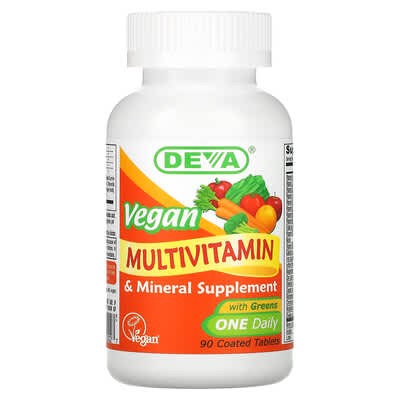
Compare top value manganese supplements to support your bone and joint health needs.
Timing & Intake
AnytimeWith foodTake with Food to enhance absorption and minimize potential gastrointestinal discomfort.
Taking manganese with food can improve its absorption and reduce the likelihood of stomach upset. There is no specific time of day that is universally preferred for manganese supplementation.
Daily Intake
RDA (Men)2 mg
RDA (Women)2 mg
RDI2 mg
Optimal Dosage
Minimum2 mg
Maximum5 mg
Safety & Toxicity
Upper Limit (UL)11 mg
Toxicity Threshold20 mg
Toxicity EffectNeurological symptoms, tremors
Price per product
Average$25.93
Median$21.78
Price per serving
Average$0.62
Median$0.54
Price per 1 mg
Average$0.17
Median$0.12
Price distribution
Price per serving distribution
Price per 1 mg
Reference amount: 1 mg
Forms
Paired ingredients
Manganese Citrate (182)68
Manganese citrate is a compound where manganese is bound to citric acid. This organic form is generally considered to have moderate bioavailability, meaning it is absorbed more efficiently by the body than simpler inorganic salts like manganese sulfate. It is commonly used in dietary supplements to provide essential manganese.
Pros
  • Better absorbed than inorganic manganese salts
  • Generally well-tolerated
Cons
  • Bioavailability may be lower than amino acid chelates
  • Higher doses of citrate salts can sometimes have a mild laxative effect
Per product
Avg$38.20
Med$32.94
Per serving
Avg$0.90
Med$0.72
Per 1 mg
Avg$0.78
Med$0.40
Price distribution
Manganese Gluconate (118)68
Manganese gluconate is an organic form where manganese is chelated with gluconic acid. It is a popular choice for dietary supplements due to its improved bioavailability over inorganic salts and its reputation for being well-tolerated by the digestive system.
Pros
  • Generally well-tolerated
  • Better absorbed than inorganic manganese forms
  • Commonly available in supplements
Cons
  • Bioavailability may not be as high as amino acid chelate forms
Per product
Avg$23.29
Med$19.99
Per serving
Avg$0.72
Med$0.65
Per 1 mg
Avg$0.61
Med$0.35
Price distribution
Manganese Sulfate (111)55
Manganese sulfate is a basic inorganic compound frequently used as a source of manganese. While it provides manganese, its absorption by the body (bioavailability) is generally lower than organic and chelated forms, often leading to less efficient utilization.
Pros
  • Cost-effective and widely available
  • Provides elemental manganese
Cons
  • Lower bioavailability compared to organic and chelated forms
  • Potential for gastric upset in some individuals
Per product
Avg$22.88
Med$19.28
Per serving
Avg$0.52
Med$0.25
Per 1 mg
Avg$0.31
Med$0.16
Price distribution
Manganese Amino Acid Chelate (61)85
Manganese amino acid chelate refers to manganese ions that are chemically bonded to amino acids. This chelated form utilizes the body's amino acid transport pathways, leading to significantly enhanced absorption and bioavailability compared to inorganic and simpler organic forms, reducing the likelihood of gastrointestinal upset.
Pros
  • Significantly enhanced bioavailability and absorption
  • Reduced risk of gastric upset
  • Well-tolerated due to amino acid carrier
Cons
  • Typically higher cost than inorganic or simpler organic salts
  • Specific amino acid chelates (e.g., bisglycinate) may offer even further optimized absorption
Per product
Avg$26.56
Med$22.99
Per serving
Avg$0.61
Med$0.53
Per 1 mg
Avg$0.52
Med$0.21
Price distribution
Manganese Bisglycinate Chelate (46)92
Manganese Bisglycinate Chelate is precisely the same highly effective form as Manganese Bisglycinate. The term 'chelate' is often added for emphasis, highlighting that the manganese is bonded to two glycine amino acids. This molecular structure ensures superior bioavailability and tolerability, as the chelate passes through the digestive system intact and is absorbed efficiently via amino acid transporters.
Pros
  • Excellent bioavailability and absorption
  • Highly stable and resistant to interference in the digestive tract
  • Very well-tolerated, less likely to cause digestive issues
  • Utilizes amino acid transport pathways for efficient uptake
Cons
  • Higher cost compared to less bioavailable forms
Per product
Avg$34.15
Med$31.56
Per serving
Avg$0.92
Med$0.67
Per 1 mg
Avg$0.44
Med$0.18
Price distribution
Manganese Bisglycinate (39)92
Manganese bisglycinate is a specific type of amino acid chelate where manganese is bound to two glycine molecules. This structure creates a small, stable, and electrically neutral compound that is highly resistant to interference from dietary components and stomach acid. It is absorbed via amino acid transporters, leading to superior bioavailability and excellent gastrointestinal tolerability, making it a preferred choice for manganese supplementation.
Pros
  • Excellent bioavailability and absorption
  • Highly stable and resistant to interference in the digestive tract
  • Very well-tolerated, less likely to cause digestive issues
  • Utilizes amino acid transport pathways for efficient uptake
Cons
  • Higher cost compared to less bioavailable forms
Per product
Avg$28.38
Med$24.99
Per serving
Avg$0.56
Med$0.51
Per 1 mg
Avg$0.39
Med$0.27
Price distribution
fermented Manganese Bisglycinate (31)95
Fermented Manganese Bisglycinate is a superior form of manganese where the bisglycinate chelate is produced or processed using fermentation techniques. This method often ensures a highly pure and clean product. It retains all the benefits of standard manganese bisglycinate, including exceptional bioavailability and gastrointestinal tolerability due to its stable, neutral chelate structure, and may offer perceived purity advantages.
Pros
  • Exceptional bioavailability and absorption
  • Often associated with enhanced purity and clean production methods
  • Very well-tolerated with minimal digestive upset
  • Optimized for efficient uptake via amino acid pathways
Cons
  • Typically the highest cost among manganese forms
  • Specific absorption benefits over non-fermented bisglycinate are often implied rather than extensively studied head-to-head
Per product
Avg$38.33
Med$36.14
Per serving
Avg$0.69
Med$0.67
Per 1 mg
Avg$0.54
Med$0.47
Price distribution
Manganese Glycinate Chelate (23)90
Manganese Glycinate Chelate refers to manganese bound to glycine amino acids. While 'bisglycinate' specifically denotes two glycine molecules, 'glycinate chelate' generally implies a similar high-bioavailability amino acid chelate. This form is designed to bypass common absorption inhibitors in the gut, utilizing amino acid pathways for efficient uptake and resulting in superior bioavailability and excellent digestive tolerability compared to non-chelated forms.
Pros
  • High bioavailability and absorption efficiency
  • Good tolerability with reduced risk of gastric distress
  • Utilizes amino acid transport mechanisms
Cons
  • Higher cost than inorganic or simpler organic forms
  • May be slightly less specific than 'bisglycinate' in chemical structure, though often similar in effect
Per product
Avg$26.31
Med$26.99
Per serving
Avg$0.70
Med$0.68
Per 1 mg
Avg$0.27
Med$0.31
Price distribution
Manganese Glycinate (22)90
Manganese Glycinate Chelate refers to manganese bound to glycine amino acids. While 'bisglycinate' specifically denotes two glycine molecules, 'glycinate chelate' generally implies a similar high-bioavailability amino acid chelate. This form is designed to bypass common absorption inhibitors in the gut, utilizing amino acid pathways for efficient uptake and resulting in superior bioavailability and excellent digestive tolerability compared to non-chelated forms.
Pros
  • High bioavailability and absorption efficiency
  • Good tolerability with reduced risk of gastric distress
  • Utilizes amino acid transport mechanisms
Cons
  • Higher cost than inorganic or simpler organic forms
  • May be slightly less specific than 'bisglycinate' in chemical structure, though often similar in effect
Per product
Avg$40.49
Med$34.71
Per serving
Avg$0.47
Med$0.49
Per 1 mg
Avg$0.19
Med$0.14
Price distribution
TRAACS Manganese Bisglycinate Chelate (20)92
Manganese bisglycinate is a specific type of amino acid chelate where manganese is bound to two glycine molecules. This structure creates a small, stable, and electrically neutral compound that is highly resistant to interference from dietary components and stomach acid. It is absorbed via amino acid transporters, leading to superior bioavailability and excellent gastrointestinal tolerability, making it a preferred choice for manganese supplementation.
Pros
  • Excellent bioavailability and absorption
  • Highly stable and resistant to interference in the digestive tract
  • Very well-tolerated, less likely to cause digestive issues
  • Utilizes amino acid transport pathways for efficient uptake
Cons
  • Higher cost compared to less bioavailable forms
Per product
Avg$43.48
Med$36.00
Per serving
Avg$1.59
Med$1.01
Per 1 mg
Avg$0.73
Med$0.44
Price distribution