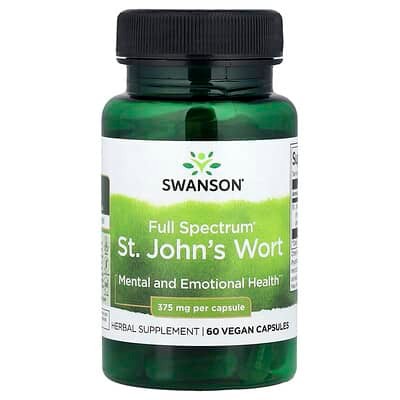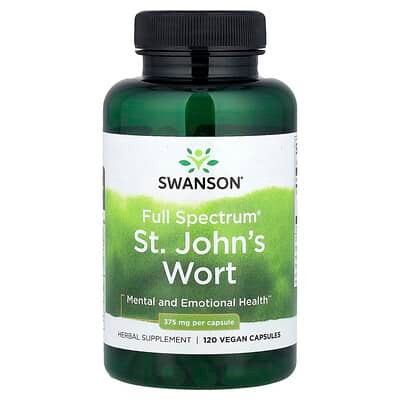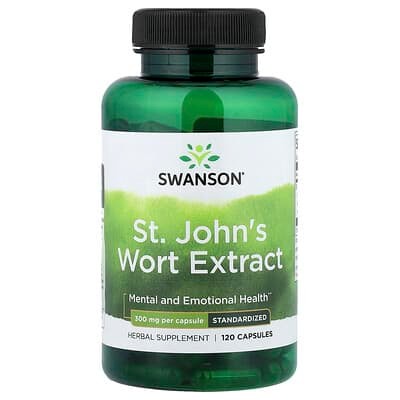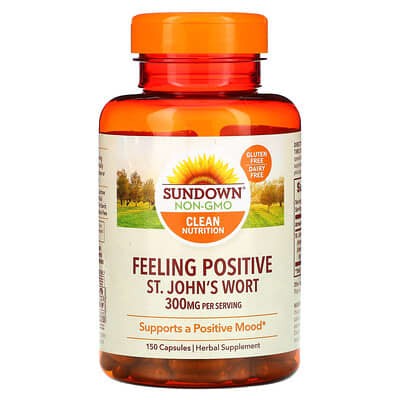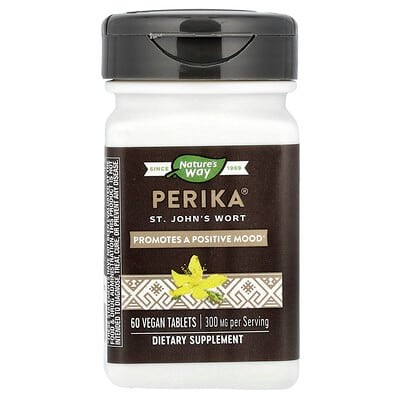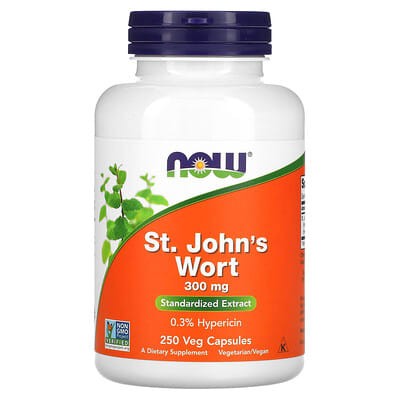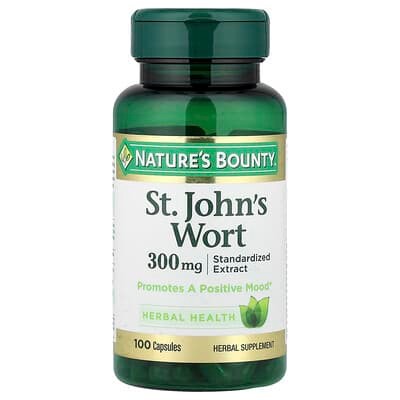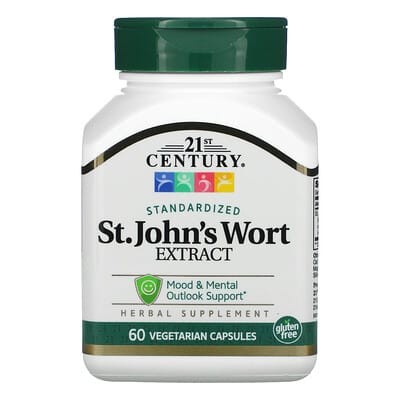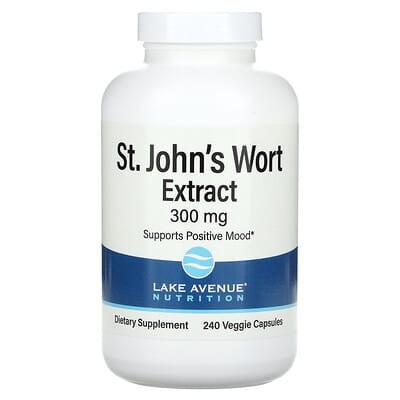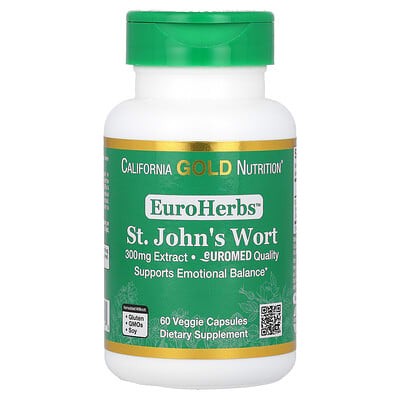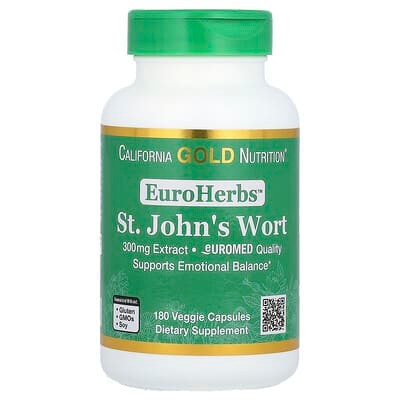
Impact
Moderate effect
Typical dose:300–900 mg
The active compounds, hypericin and hyperforin, are thought to inhibit the reuptake of key neurotransmitters, increasing their availability in the brain. It has significant potential for drug interactions and should be used with medical guidance.
Study evidence
97 studiesSt. John's Wort has evidence for reducing symptoms of mild to moderate major depression, although results vary across trials and extracts. This does not establish a general mood boost in people without depression, and its potential to interfere with other medicines is a meaningful limitation.
View goal