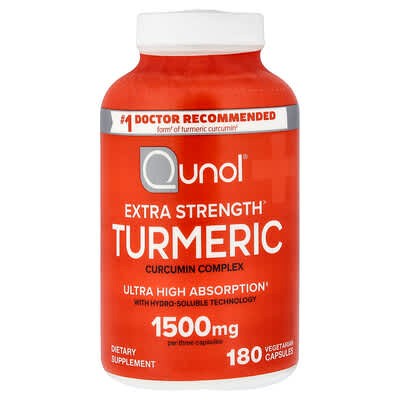
Turmeric
botanicalTurmeric (Curcuma longa) is a flowering Southeast Asian plant in the ginger family. Its rhizome is harvested, dried, and ground into a yellow powder used for centuries in Ayurvedic and traditional Chinese medicine as well as a culinary spice. Curcuminoids are the primary bioactive compounds, with curcumin being the most significant. This compound serves as an antioxidant that helps neutralize free radicals and stimulates internal antioxidant enzymes, while also supporting healthy inflammatory pathways by inhibiting specific molecules. Scientific research supports traditional uses for joint comfort, digestive health, and skin maintenance. Because curcumin has naturally low bioavailability, it is frequently paired with substances like black pepper extract to improve its absorption and systemic effectiveness.
Ingredient forms
- CurcuminoidsA group of active compounds (including curcumin, demethoxycurcumin, and bisdemethoxycurcumin) naturally found in turmeric, responsible for its yellow color and most of its beneficial properties.
- Total CurcuminoidsRefers to the combined concentration of all active curcuminoid compounds present in a turmeric extract, often standardized to a certain percentage.
- CurcuminThe most active and well-researched curcuminoid, a principal yellow pigment and bioactive compound found in turmeric.
- organic fermented TurmericTurmeric that has undergone a fermentation process, potentially enhancing the bioavailability of its compounds and introducing beneficial microbes.
- organic Turmeric root extractA concentrated form of turmeric derived from the root (rhizome), processed to retain beneficial compounds, and certified organic.
- Turmeric Rhizome ExtractA concentrated extract obtained from the underground stem (rhizome) of the turmeric plant, typically standardized for its active compounds.
- fresh Turmeric rhizome juiceRaw juice extracted directly from fresh turmeric rhizomes, containing water-soluble and some lipid-soluble compounds in their natural matrix.
- Glycine max SoybeansSoybeans are a legume native to East Asia, primarily cultivated for their edible beans. They are NOT a form of Turmeric.
- TetrahydrocurcuminoidsHydrogenated metabolites of curcuminoids, known for improved bioavailability, enhanced antioxidant activity, and stability compared to native curcumin.
- Theracurmin CurcuminA specialized, highly bioavailable curcumin formulation utilizing a colloidal dispersion technology to significantly enhance absorption.
No public comparison lists found.
5 safety notes
- Avoid large doses if pregnant or breastfeeding due to insufficient research.
- Discontinue use at least two weeks before any scheduled surgery due to potential blood-thinning effects.
- Individuals with gallstones or bile duct obstruction should use with caution or avoid.
- May lower blood sugar levels; caution advised for individuals with diabetes or on blood sugar-lowering medications.
- High doses may potentially cause liver issues in sensitive individuals.
Studies
Positive Interactions
Negative Interactions
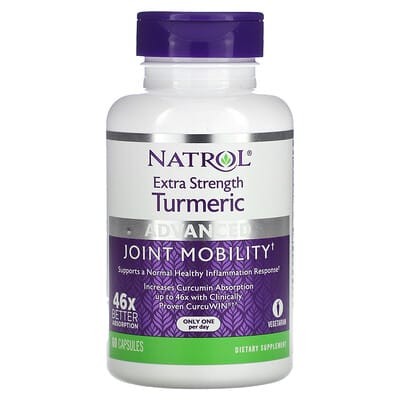
Extra Strength Turmeric
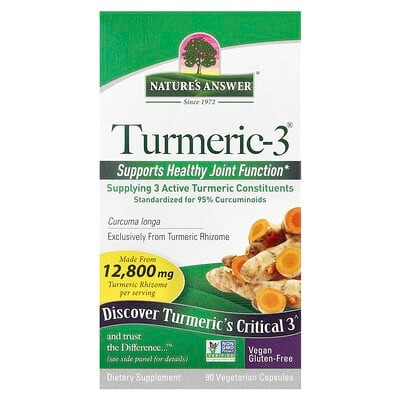
Turmeric-3
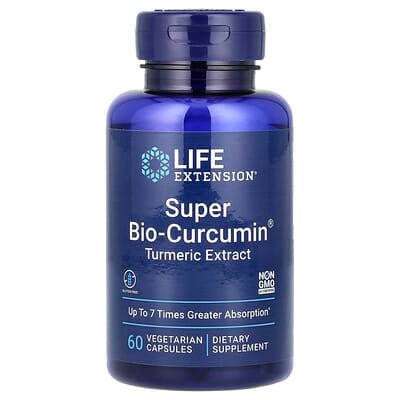
Super Bio-Curcumin Turmeric Extract
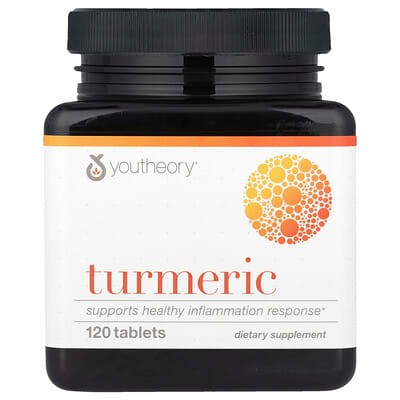
Turmeric
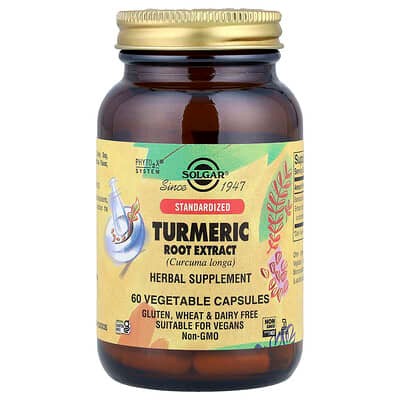
Turmeric Root Extract
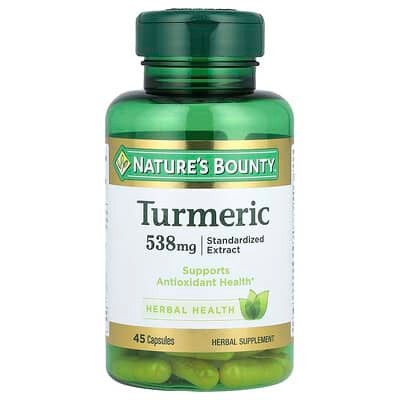
Turmeric 538 mg
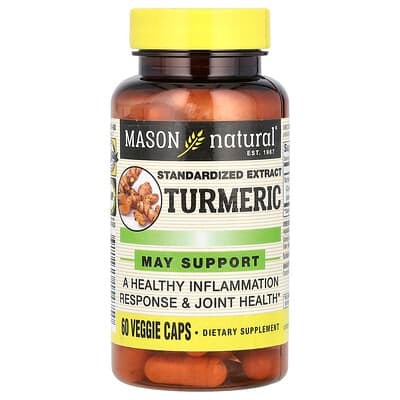
Turmeric
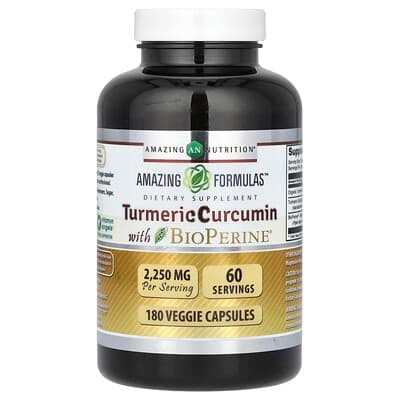
Turmeric Curcumin 1500 mg with BioPerine
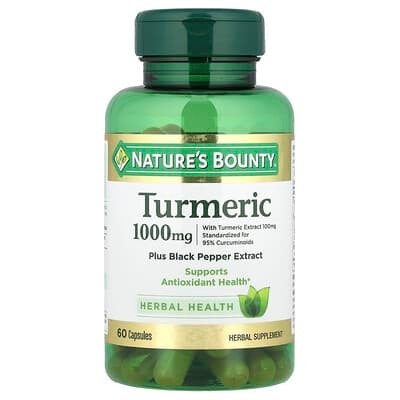
Turmeric 1000 mg
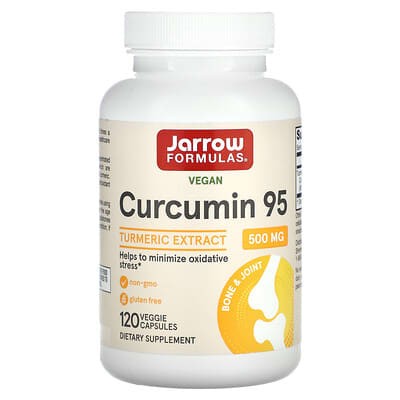
Curcumin 95 500 mg
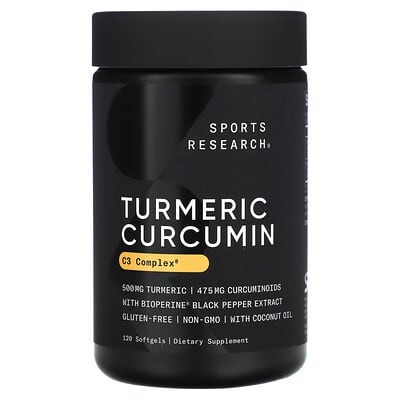
Turmeric Curcumin 500 mg
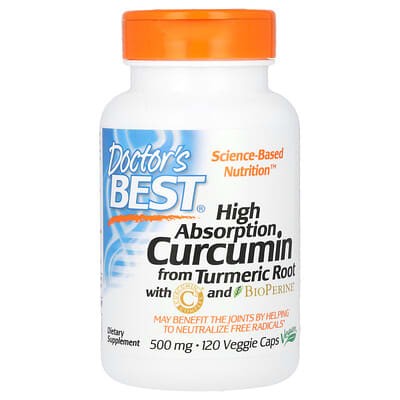
High Absorption Curcumin 500 mg
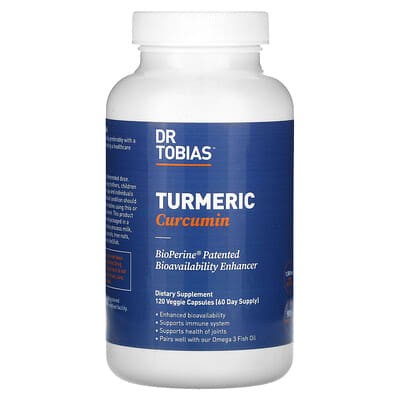
Turmeric Curcumin
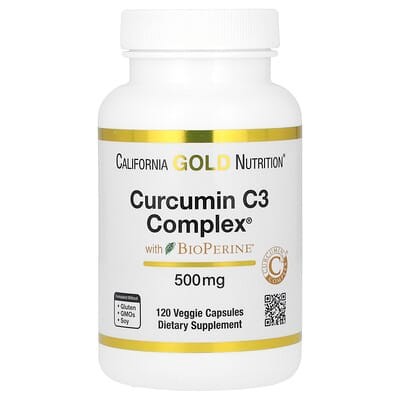
Curcumin C3 Complex with BioPerine
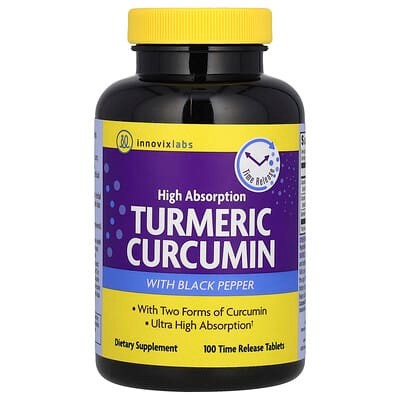
High Absorption Turmeric Curcumin
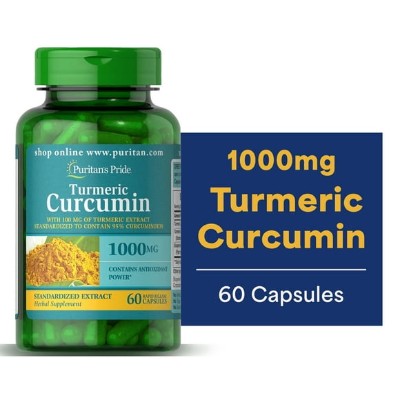
Turmeric Curcumin 1000 mg
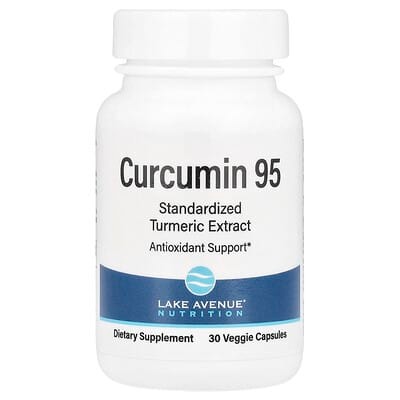
Curcumin 95
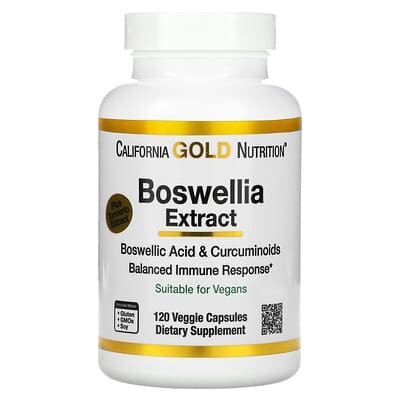
Boswellia Extract 500 mg
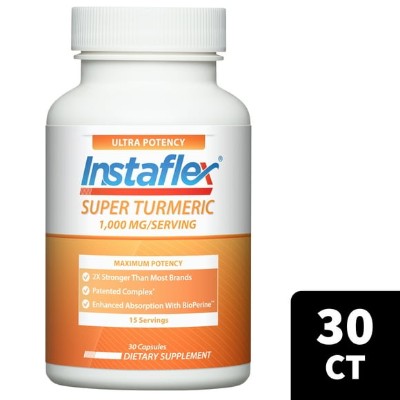
Instaflex Super Turmeric 1000 mg
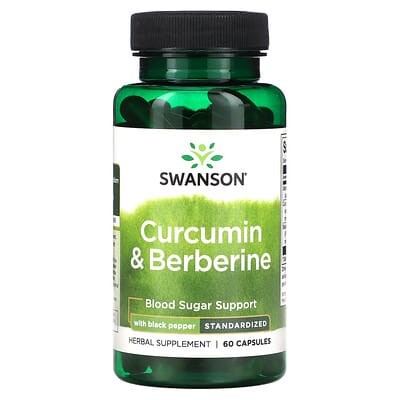
Curcumin & Berberine
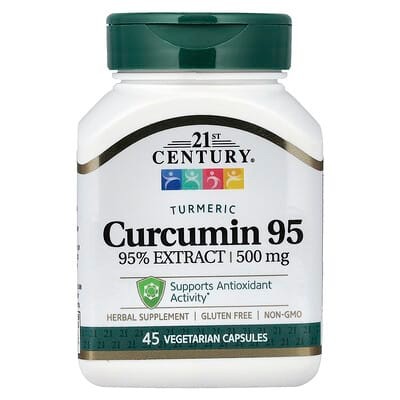
Curcumin 95 500 mg
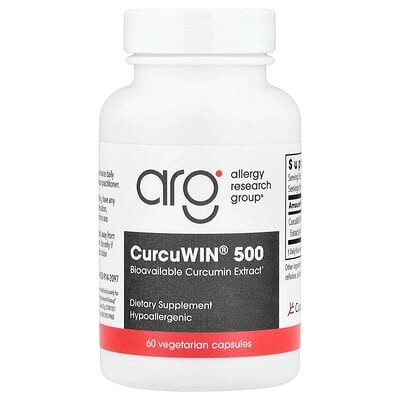
CurcuWIN 500