Impact
High effect
Typical dose:2–5 mg
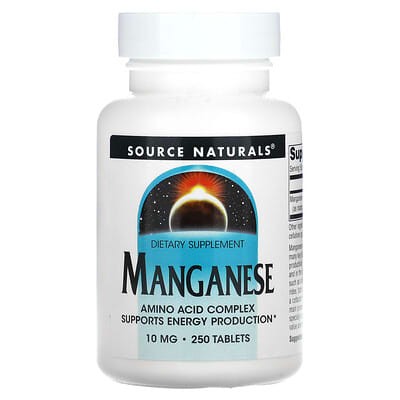
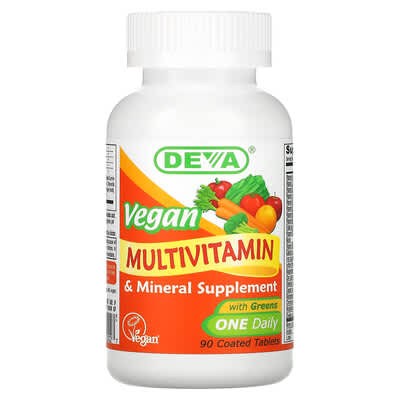
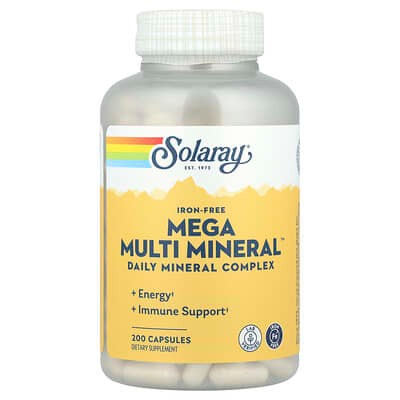
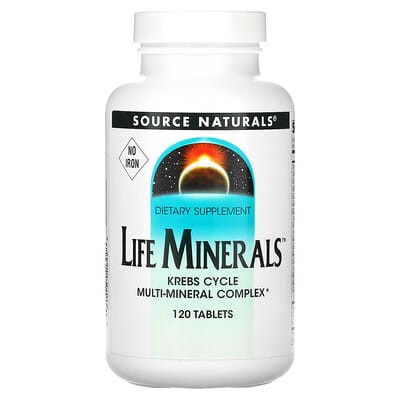
Manganese is required for the synthesis of the organic matrix of bone before mineralization occurs. It is vital for bone formation and density, and works synergistically with other minerals like calcium and zinc.
- Focuses on
- Most relevant for
- Postmenopausal individuals considering trace mineral supplements alongside calcium for bone density maintenance.
Potential benefits
- Enzyme Cofactor Support.Unconfirmed. Manganese is biologically necessary as a cofactor for enzymes involved in creating the bone matrix and cartilage, though the effect of supplemental intake on this process is unproven.
- Multi-Mineral Synergy.Unconfirmed. In one clinical trial, manganese combined with calcium, zinc, and copper helped slow spinal bone loss in postmenopausal women, but its individual contribution remains unconfirmed.
Limitations
- Linked to Reduced Density.Numerous large-scale observational studies consistently link higher blood and urinary manganese levels to lower bone mineral density in both adults and adolescents.
- Lack of Solo Evidence.There is no clinical evidence demonstrating that manganese supplements taken alone can strengthen bones or reduce the risk of fractures.
- Risk of Overexposure.Excessive manganese exposure is associated with a higher likelihood of osteopenia and osteoporosis, making it unclear if supplementation is helpful or harmful for long-term bone health.
Things to consider
Because high levels of manganese are associated with bone loss and increased osteoporosis risk, avoid high-dose supplementation unless directed by a healthcare provider.
Study evidence
12 studiesManganese is involved in bone biology, but the available evidence does not establish that taking it alone strengthens bones. Most human research examines exposure levels, with higher manganese often linked to lower bone density, while supportive supplementation findings involve several minerals together.
View goal