Manganese

mineral

Manganese is a trace mineral that serves as a necessary cofactor for various enzymes responsible for converting food into energy. It facilitates the metabolism of carbohydrates, amino acids, and cholesterol while supporting healthy brain and nerve function. In addition to metabolic roles, manganese is vital for bone health and density. It forms an essential part of superoxide dismutase (SOD), a potent antioxidant enzyme that protects cells from oxidative stress and free radical damage. Maintaining adequate manganese levels supports healthy growth, reproduction, and immune system function. However, intake should remain within recommended ranges, as excessive amounts can lead to neurological concerns.

Natural sources
Nuts (e.g., almonds, pecans, walnuts)Legumes (e.g., soybeans, lentils)Whole grains (e.g., oats, brown rice, quinoa)Leafy green vegetables (e.g., spinach, kale)Tea (especially black and green tea)Spices (e.g., cloves, turmeric)Some fruits (e.g., pineapple, berries)

Ingredient forms

No public comparison lists found.

Timing & Intake
AnytimeWith foodTake with Food to enhance absorption and minimize potential gastrointestinal discomfort.
Consuming manganese with food may support better absorption and minimize stomach discomfort, though no specific time of day is required.
Daily Intake
RDA (Men)2 mg
RDA (Women)2 mg
RDI2 mg
Optimal Dosage
Minimum2 mg
Maximum5 mg
Safety & Toxicity
Upper Limit (UL)11 mg
Toxicity Threshold20 mg
Toxicity EffectNeurological symptoms, tremors
3 safety notes
  • Individuals with liver disease may be at higher risk for manganese toxicity due to impaired excretion and should consult a healthcare professional before supplementing.
  • Avoid exceeding recommended daily dosages, as very high levels of manganese can be neurotoxic.
  • Pregnant or breastfeeding women should consult a healthcare provider before taking manganese supplements.
Goals
Bone Health
Impact
High effect
Typical dose:2–5 mg
Manganese is required for the synthesis of the organic matrix of bone before mineralization occurs. It is vital for bone formation and density, and works synergistically with other minerals like calcium and zinc.

Study evidence

12 studies

Manganese is involved in bone biology, but the available evidence does not establish that taking it alone strengthens bones. Most human research examines exposure levels, with higher manganese often linked to lower bone density, while supportive supplementation findings involve several minerals together.

View goal
Joint Health
Impact
Situational effect
Typical dose:2–10 mg
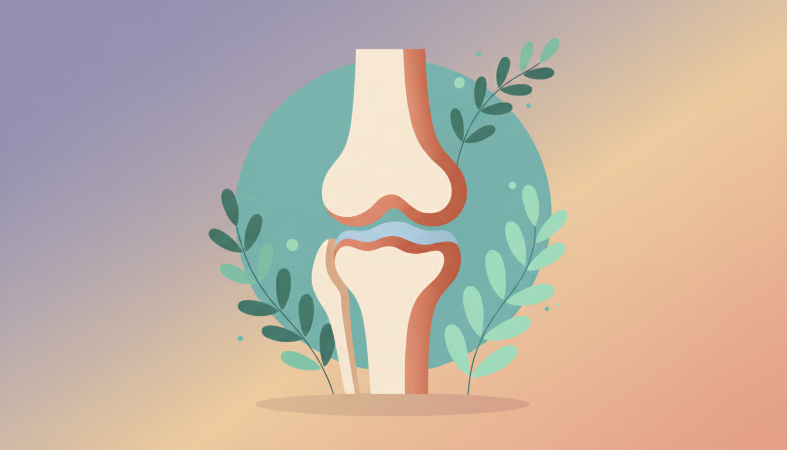
Manganese is required for the enzyme glycosyltransferase, which is essential for synthesizing the glycosaminoglycans that form the foundation of cartilage tissue. It is a fundamental, albeit supportive, nutrient for cartilage health.

Study evidence

3 studies

Manganese has limited, indirect evidence for joint health. Products combining it with glucosamine and chondroitin have improved some knee osteoarthritis symptoms, but the supplied research cannot show that Manganese itself relieves pain, improves joint function, or prevents arthritis.

View goal

Studies

Research connections will load here.
Sources

Up to five highest-ranked published examples per goal. Study counts and charts include all published studies for the connection.

  1. Risk of Environmental Chemicals on Bone Fractures Is Independent of Low Bone Mass in US Adults: Insights from 2017 to 2018 NHANES.
    Ling R; Ai Y; Chen C; Zhang J; Zou Z; Cheng S; Li C; Li X; Wang B · Metabolites · 2023
    Cross-sectional study2,640 participantsBone Health
  2. The Manganese-Bone Connection: Investigating the Role of Manganese in Bone Health.
    Taskozhina G; Batyrova G; Umarova G; Issanguzhina Z; Kereyeva N · Journal of clinical medicine · 2024
    Narrative reviewBone Health
  3. Associations of multiple metals with bone mineral density: A population-based study in US adults.
    Wei MH; Cui Y; Zhou HL; Song WJ; Di DS; Zhang RY; Huang Q; Liu JA; Wang Q · Chemosphere · 2021
    Cross-sectional studyBone Health
  4. Sex-specific associations of urinary mixed-metal concentrations with femoral bone mineral density among older people: an NHANES (2017-2020) analysis.
    Li H; Li G; Yi M; Zhou J; Deng Y; Huang Y; He S; Meng X; Liu L · Frontiers in public health · 2024
    Cross-sectional study31 participantsBone Health
  5. Relationship between blood manganese and bone mineral density and bone mineral content in adults: A population-based cross-sectional study.
    Wang C; Zhu Y; Long H; Ou M; Zhao S · PloS one · 2022
    Cross-sectional study9,732 participantsBone Health
  6. Identification for heavy metals exposure on osteoarthritis among aging people and Machine learning for prediction: A study based on NHANES 2011-2020.
    Xia F; Li Q; Luo X; Wu J · Frontiers in public health · 2022
    Cross-sectional studyJoint Health
  7. Efficacy of a combination of FCHG49 glucosamine hydrochloride, TRH122 low molecular weight sodium chondroitin sulfate and manganese ascorbate in the management of knee osteoarthritis
    A. Das Jr., T. A. Hammad · Osteoarthritis and Cartilage · 2000
    Randomized trial93 participantsJoint Health
  8. Glucosamine, chondroitin, and manganese ascorbate for degenerative joint disease of the knee or low back: a randomized, double-blind, placebo-controlled pilot study
    C. T. Leffler, A. F. Philippi, S. G. Leffler, J. C. Mosure, P. D. Kim · Military Medicine · 1999
    Randomized trial34 participantsJoint Health