METHIONINE

amino acid

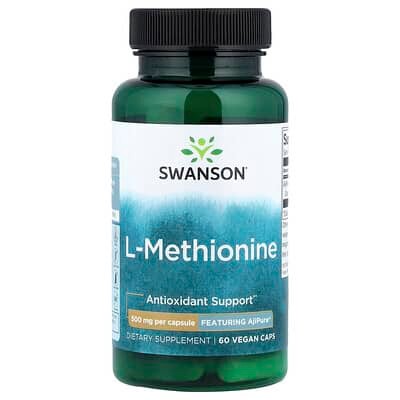
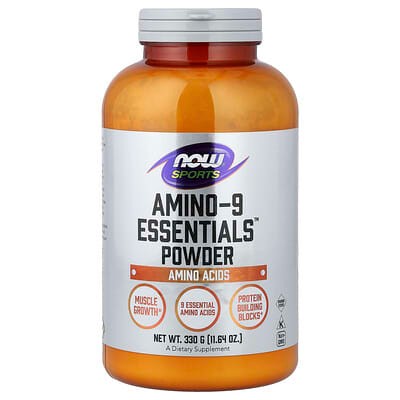
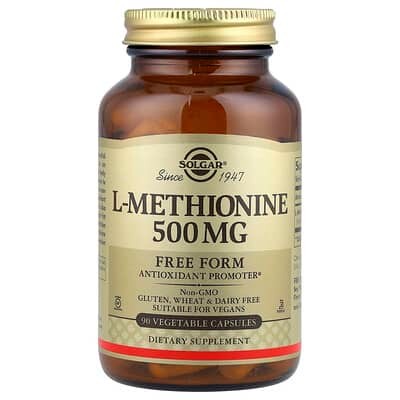
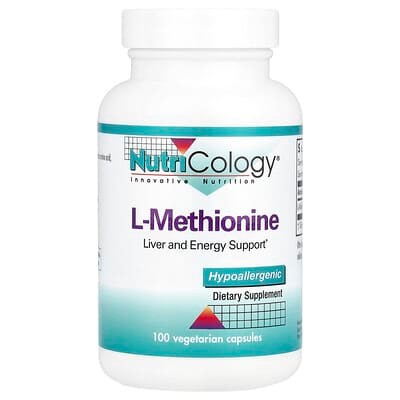
Methionine is one of the nine essential amino acids that must be obtained through the diet. As a sulfur-containing amino acid, it is fundamental for sulfur-dependent metabolic processes, including detoxification and maintaining the structural integrity of hair, skin, and nails. It serves as a precursor to cysteine and taurine, contributing to antioxidant defenses and bile acid synthesis. Beyond sulfur metabolism, methionine initiates protein synthesis and acts as a primary methyl donor in biochemical reactions. Its conversion to S-adenosylmethionine (SAMe) is important for supporting neurological function, mood regulation, and liver health by facilitating methylation processes necessary for cellular function and neurotransmitter production. Additionally, methionine contributes to the synthesis of L-carnitine and creatine, which are involved in energy metabolism. It helps prevent fat buildup in the liver and supports a healthy immune system. These functions emphasize its broad importance for overall physiological well-being.


Natural sources
Meat (beef, poultry, pork)Fish (salmon, tuna)EggsDairy products (milk, cheese)Nuts (Brazil nuts, almonds)Seeds (sesame seeds)Legumes (soybeans)Grains (oats, quinoa)

Ingredient forms

No public comparison lists found.

Optimal Dosage
Minimum500 mg
Maximum1500 mg
Safety & Toxicity
Toxicity Threshold5000 mg
Toxicity EffectElevated homocysteine; cardiovascular risk
3 safety notes
  • Individuals with severe liver disease or kidney disease should use Methionine cautiously and under medical supervision.
  • High doses may potentially raise homocysteine levels, which is a risk factor for cardiovascular disease. Individuals with existing cardiovascular conditions or risk factors should consult a healthcare professional.
  • Patients with schizophrenia or bipolar disorder should avoid Methionine supplementation unless specifically advised by a doctor, as it might exacerbate symptoms in some cases.
Goals
Hair Health
Impact
High effect
Typical dose:500–1000 mg
As a precursor to Cysteine, Methionine is a critical building block for keratin, the primary protein in hair. It supplies the sulfur necessary for strong disulfide bonds within the hair shaft, contributing to hair thickness and resilience against breakage.

Study evidence

No published studies for this goal yet.

View goal
Nail Health
Impact
High effect
Typical dose:500–1500 mg
The body requires methionine to produce cysteine, another sulfur-rich amino acid critical for forming the strong disulfide bonds that give keratin its rigidity and resilience. Supplementing with methionine ensures the foundational elements for robust keratin synthesis are available.

Study evidence

No published studies for this goal yet.

View goal

Studies

Research connections will load here.
Interactions

Positive Interactions

Folate
Folate is an essential cofactor in the methionine cycle, helping to metabolize homocysteine back into methionine, thus maintaining healthy homocysteine levels.
Vitamin B12
Vitamin B12 is crucial for the methionine cycle, facilitating the remethylation of homocysteine to methionine and supporting healthy homocysteine levels.
Vitamin B6
Vitamin B6 is essential for the transsulfuration pathway, which converts methionine to cysteine, a precursor for glutathione, boosting antioxidant capacity.
Choline
Choline, often converted to betaine, participates in the remethylation of homocysteine to methionine, thereby supporting the methionine cycle and reducing homocysteine.
Betaine Anhydrous
Betaine Anhydrous directly contributes to the remethylation of homocysteine back to methionine, supporting healthy homocysteine levels and the methionine cycle.
Cysteine
Methionine is a precursor to Cysteine, and supplementing both can enhance the body's synthesis of glutathione, a powerful antioxidant.
Glutathione
Methionine supports the body's natural production of Glutathione by serving as a precursor to Cysteine, a key component of Glutathione.
Gluthathione
Methionine supports the body's natural production of Gluthathione by serving as a precursor to Cysteine, a key component of Gluthathione.
Sulfur
As a sulfur-containing amino acid, Methionine contributes to the body's overall sulfur pool, which is essential for various biological functions, making their roles complementary.