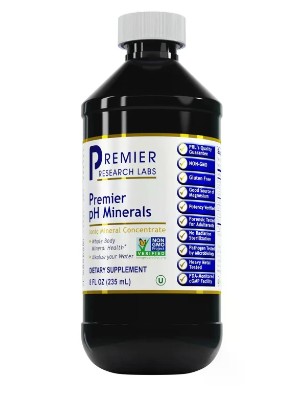
Sulfur

mineral

Sulfur is a mineral found in every cell, contributing to overall health and appearing in high concentrations in the skin, hair, and nails. As a component of sulfur-containing amino acids such as methionine and cysteine, it is required for protein synthesis and the formation of enzymes and hormones. Beyond structural roles, sulfur supports detoxification processes, particularly in the liver where it helps neutralize and eliminate waste products. It also participates in cellular respiration, the process by which cells generate energy. Organic sulfur compounds like methylsulfonylmethane (MSM) are often used for their support in managing inflammation and joint discomfort. Adequate sulfur intake supports joint health, skin elasticity, and immune function. By maintaining the integrity of connective tissues such as cartilage and tendons, it can be beneficial for those looking to support joint comfort or improve the quality of skin and hair.

Natural sources
GarlicOnionsEggsMeat (beef, poultry, fish)Cruciferous vegetables (broccoli, cabbage, Brussels sprouts)LegumesNutsDairy products

Ingredient forms

No public comparison lists found.

Timing & Intake
AnytimeWith food
Taking this mineral with meals may help minimize potential gastrointestinal discomfort.
Optimal Dosage
Minimum800 mg
Maximum3000 mg
Safety & Toxicity
3 safety notes
  • Individuals with known sulfur allergies should avoid supplementation.
  • Consult a healthcare professional before use, especially if pregnant, nursing, or have a pre-existing medical condition.
  • High doses may cause digestive issues.
Goals
Joint Health
Impact
High effect
Typical dose:1500–6000 mg
Often supplemented as MSM (Methylsulfonylmethane), sulfur is essential for the integrity of glycosaminoglycans like chondroitin and glucosamine. It helps maintain the structural framework of cartilage and has been clinically shown to reduce joint pain, stiffness, and inflammation.

Study evidence

9 studies

Some sulfur-containing treatments, particularly oral MSM, may modestly improve pain or function in people with knee problems, but results are inconsistent. Evidence from MSM, combination supplements, and sulfur baths does not establish that sulfur supplements broadly protect joints or prevent pain.

View goal

Skin Health
Impact
Situational effect
Typical dose:1000–3000 mg
Sulfur, typically supplemented as MSM (Methylsulfonylmethane), is a building block for keratin and collagen, the primary structural proteins in the skin. It supports the integrity and resilience of skin tissue. While important, its role is foundational and supportive rather than acute, making it beneficial but less of a priority than direct collagen precursors or potent antioxidants.

Study evidence

20 studies

Sulfur-containing products have some skin-related benefits, but these depend on the specific treatment and condition. Evidence mainly concerns topical scabies treatments and preliminary research on oral MSM, rather than showing that sulfur supplements generally improve skin health.

View goal

Studies

Research connections will load here.
Sources

Up to five highest-ranked published examples per goal. Study counts and charts include all published studies for the connection.

  1. Effects of sulfur bath on hip osteoarthritis: a randomized, controlled, single-blind, follow-up trial: a pilot study.
    Kovács C; Bozsik Á; Pecze M; Borbély I; Fogarasi A; Kovács L; Tefner IK; Bender T · International journal of biometeorology · 2017
    Randomized trial41 participantsJoint Health
  2. Biomarkers of oxidation, inflammation and cartilage degradation in osteoarthritis patients undergoing sulfur-based spa therapies.
    Benedetti S; Canino C; Tonti G; Medda V; Calcaterra P; Nappi G; Salaffi F; Canestrari F · Clinical biochemistry · 2010
    Non-randomized trialJoint Health
  3. [Sulphur mineral water and SPA therapy in osteoarthritis].
    Costantino M; Filippelli A; Quenau P; Nicolas JP; Coiro V · Therapie · 2013
    Single-arm trial99 participantsJoint Health
  4. Comparison of Glucosamine-Chondroitin Sulfate with and without Methylsulfonylmethane in Grade I-II Knee Osteoarthritis: A Double Blind Randomized Controlled Trial.
    Lubis AMT; Siagian C; Wonggokusuma E; Marsetyo AF; Setyohadi B · Acta medica Indonesiana · 2018
    Randomized trial147 participantsJoint Health
  5. Balneotherapy for osteoarthritis.
    Verhagen AP; Bierma-Zeinstra SM; Boers M; Cardoso JR; Lambeck J; de Bie RA; de Vet HC · The Cochrane database of systematic reviews · 2008
    Systematic review498 participants7 studies pooledJoint Health
  6. The efficacy of oral ivermectin vs. sulfur 10% ointment for the treatment of scabies.
    Alipour H; Goldust M · Annals of parasitology · 2015
    Randomized trial420 participantsSkin Health
  7. Sulfur cream blowing and parching combined with compound ketoconazole cream versus compound ketoconazole cream alone in patients with palmoplantar keratotic eczema: a pilot study.
    Qin X; Chen Q; Zhu Z; Li J; Kang X · American journal of translational research · 2025
    Non-randomized trial116 participantsSkin Health
  8. Clinical features of 170 Chinese scabies cases and the therapeutic efficacy of sulfur ointment.
    Zhang G; Cui M; Zhang Y; Qin S; Du W; Xie H; Zhu Z; Xu J; Liang B · PLoS neglected tropical diseases · 2026
    Single-arm trial170 participantsSkin Health
  9. Treatment of human scabies by sulfur and permethrin.
    Kenawi MZ; Morsy TA; Abdalla KF; el Hady HM · Journal of the Egyptian Society of Parasitology · 1994
    Non-randomized trial16 participantsSkin Health
  10. Beauty from within: Oral administration of a sulfur-containing supplement methylsulfonylmethane improves signs of skin ageing.
    Muizzuddin N; Benjamin R · International journal for vitamin and nutrition research. Internationale Zeitschrift fur Vitamin- und Ernahrungsforschung. Journal international de vitaminologie et de nutrition · 2022
    Clinical trial83 participantsSkin Health