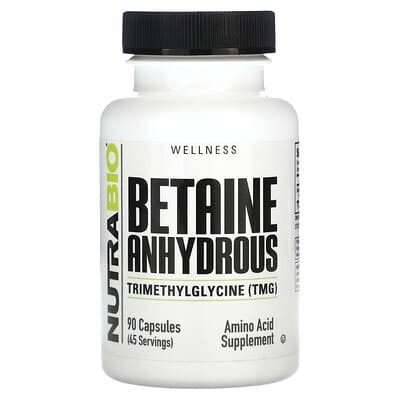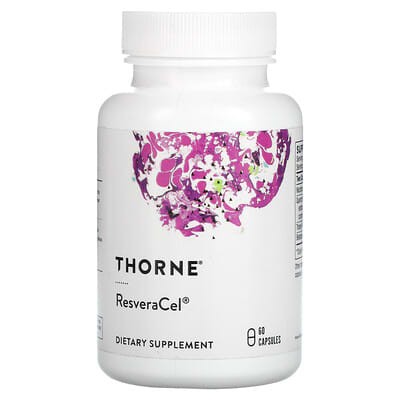
Betaine Anhydrous

non-nutrient_non-botanical

Betaine Anhydrous (TMG) is an amino acid derivative found in various foods. It functions as a methyl donor by contributing methyl groups (CH3) to other molecules and as an osmolyte to help cells maintain hydration and cell volume. These roles are fundamental to the methionine cycle and metabolic health. A primary role involves the metabolism of homocysteine, facilitating its conversion back into the essential amino acid methionine. By helping to lower elevated homocysteine levels, it supports cardiovascular wellness. It also supports liver function and detoxification and has been studied for its potential to improve muscle strength and power. Through its methyl-donating activity, it is indirectly involved in the synthesis of S-adenosylmethionine (SAMe), which supports mood regulation, cellular repair, and immune function. Its properties as an osmolyte help maintain cellular integrity across various physiological systems.

Natural sources
Beets (especially sugar beets)SpinachQuinoaSeafood (e.g., shrimp)Wheat branBroccoliGrains

No public comparison lists found.

Optimal Dosage
Minimum1000 mg
Maximum4000 mg
Safety & Toxicity
Toxicity Threshold8000 mg
Toxicity EffectNausea, stomach upset, diarrhea
3 safety notes
  • Individuals with kidney disease should consult a healthcare professional before use.
  • Pregnant or nursing women should consult a healthcare professional before use.
  • High doses may exacerbate conditions sensitive to methionine metabolism in certain individuals; consult a doctor if you have known metabolic disorders.
Goals
Detoxification
Impact
High effect
Typical dose:500–3000 mg
Betaine (trimethylglycine or TMG) supports the methylation cycle by donating a methyl group to recycle homocysteine into methionine. This provides robust support for SAMe production and conserves the body's folate and B12 pools, enhancing overall methylation capacity.

Study evidence

4 studies

Betaine Anhydrous can lower blood homocysteine, but this specific metabolic effect does not establish a general detoxification benefit. The available human research does not consistently show improved liver health, and supplementation can also raise cholesterol.

View goal

Fitness
Impact
High effect
Typical dose:1250–2500 mg
Betaine, or trimethylglycine (TMG), acts as both a methyl donor and an osmolyte. As an osmolyte, it helps protect cells from stress by maintaining hydration, and as a methyl donor it may support creatine synthesis, contributing to observed increases in strength and power.

Study evidence

16 studies

Betaine Anhydrous may modestly improve some measures of fitness, particularly lower-body strength, but benefits are inconsistent. The available research does not show reliable improvements across endurance, power, or body composition, and findings in trained athletes may not apply to everyone.

View goal
Weight Gain
Impact
Moderate effect
Typical dose:1.5–5 g
Betaine acts as an osmolyte, protecting cells from stress and helping maintain hydration. It also functions as a methyl donor, which may support endogenous creatine production and other metabolic processes. Research has shown it can significantly improve performance in exercises like the bench press and squat, allowing for more total volume to be lifted.

Study evidence

13 studies

Betaine anhydrous has not been shown to reliably promote weight gain. Some exercise studies suggest gains in lean mass, but pooled supplementation research finds no clear effect on body weight or lean mass, and dietary associations do not establish a supplement benefit.

View goal
Digestive Health
Impact
Situational effect
Typical dose:500–2000 mg
Often supplemented as Betaine HCl, it helps increase gastric acidity. Sufficient stomach acid is crucial for activating pepsin to digest protein, sterilizing food, and signaling downstream digestive processes. This is particularly useful for relieving symptoms of hypochlorhydria.

Study evidence

1 study

Betaine anhydrous has a possible role in supporting the gut barrier and gut–liver communication, mainly discussed in chronic liver disease research. The supplied evidence does not establish that supplementation improves everyday digestion or treats digestive disorders in people.

View goal
Muscle Gain
Impact
Situational effect
Typical dose:1.25–2.5 g
Its mechanisms may involve enhancing endogenous creatine synthesis and protecting cells from stress. While not as impactful as primary ergogenics, it can provide an additional edge in performance.

Study evidence

7 studies

Betaine Anhydrous has mixed evidence for muscle gain during training. Some research suggests improvements in body composition or exercise performance, but other controlled findings show no added muscle growth, and associations with higher betaine levels do not prove a supplement benefit.

View goal

Studies

Research connections will load here.
Sources

Up to five highest-ranked published examples per goal. Study counts and charts include all published studies for the connection.

  1. Betaine consumption as a new clinical approach to treatment and prophylaxis of folate-related pathologies.
    Yeroshkina K; Rossokha Z; Fishchuk L; Gorovenko N · Nutrition reviews · 2023
    Narrative reviewDetoxification
  2. Effects of betaine supplementation on cardiovascular markers: A systematic review and Meta-analysis.
    Ashtary-Larky D; Bagheri R; Ghanavati M; Asbaghi O; Tinsley GM; Mombaini D; Kooti W; Kashkooli S; Wong A · Critical reviews in food science and nutrition · 2022
    Meta-analysisDetoxification
  3. Decoding Betaine: A Critical Analysis of Therapeutic Potential Compared with Marketing Hype-A Narrative Review.
    Nikrandt G; Chmurzynska A · The Journal of nutrition · 2024
    Narrative reviewDetoxification
  4. Therapy of NAFLD: antioxidants and cytoprotective agents.
    Chang CY; Argo CK; Al-Osaimi AM; Caldwell SH · Journal of clinical gastroenterology · 2006
    Narrative reviewDetoxification
  5. Effects of chronic betaine supplementation on performance in professional young soccer players during a competitive season: a double blind, randomized, placebo-controlled trial.
    Nobari H; Cholewa JM; Castillo-Rodríguez A; Kargarfard M; Pérez-Gómez J · Journal of the International Society of Sports Nutrition · 2021
    Randomized trial29 participantsFitness
  6. Effects of short-term betaine supplementation on muscle endurance and indices of endocrine function following acute high-intensity resistance exercise in young athletes.
    Arazi H; Aboutalebi S; Taati B; Cholewa JM; Candow DG · Journal of the International Society of Sports Nutrition · 2022
    Randomized trial10 participantsFitness
  7. Effects of Nutrition Interventions on Athletic Performance in Soccer Players: A Systematic Review.
    Aguinaga-Ontoso I; Guillen-Aguinaga S; Guillen-Aguinaga L; Alas-Brun R; Guillen-Grima F · Life (Basel, Switzerland) · 2023
    Systematic review310 participants16 studies pooledFitness
  8. Betaine supplementation improves CrossFit performance and increases testosterone levels, but has no influence on Wingate power: randomized crossover trial.
    Zawieja E; Durkalec-Michalski K; Sadowski M; Główka N; Chmurzynska A · Journal of the International Society of Sports Nutrition · 2023
    Randomized trial43 participantsFitness
  9. Effects of Betaine Supplementation on Muscle Strength and Power: A Systematic Review.
    Ismaeel A · Journal of strength and conditioning research · 2018
    Systematic review7 studies pooledFitness
  10. Effects of betaine on body composition, performance, and homocysteine thiolactone.
    Cholewa JM; Wyszczelska-Rokiel M; Glowacki R; Jakubowski H; Matthews T; Wood R; Craig SA; Paolone V · Journal of the International Society of Sports Nutrition · 2013
    Randomized trial23 participantsWeight Gain
  11. Maternal Betaine and Methylation Potential during Pregnancy Are Associated with Child Growth at Birth and Early Childhood: Results of the Chilean Maternal & Infant Cohort Study-II.
    Trujillo-González I; Barisione G; Bottiglieri T; Reyes M; Garmendia ML; Mujica-Coopman MF · The Journal of nutrition · 2026
    Cohort study150 participantsWeight Gain
  12. Serum betaine is inversely associated with low lean mass mainly in men in a Chinese middle-aged and elderly community-dwelling population.
    Huang BX; Zhu YY; Tan XY; Lan QY; Li CL; Chen YM; Zhu HL · The British journal of nutrition · 2017
    Cohort study1,996 participantsMuscle GainWeight Gain
  13. Dietary betaine intake is associated with skeletal muscle mass change over 3 years in middle-aged adults: the Guangzhou Nutrition and Health Study.
    Long JA; Zhong RH; Chen S; Wang F; Luo Y; Lu XT; Yishake D; Chen YM; Fang AP; Zhu HL · The British journal of nutrition · 2021
    Cohort study1,242 participantsMuscle GainWeight Gain
  14. Effects of Betaine Supplementation on Markers of Metabolic Flexibility, Body Composition, and Anaerobic Performance in Active College-Age Females.
    Waldman HS; Bryant AR; McAllister MJ · Journal of dietary supplements · 2023
    Randomized trial23 participantsWeight Gain
  15. Betaine regulates the gut-liver axis: a therapeutic approach for chronic liver diseases.
    Perumal SK; Arumugam MK; Osna NA; Rasineni K; Kharbanda KK · Frontiers in nutrition · 2026
    Narrative reviewDigestive Health
  16. Higher serum choline and betaine levels are associated with better body composition in male but not female population.
    Gao X; Randell E; Zhou H; Sun G · PloS one · 2018
    Cross-sectional study1,081 participantsMuscle Gain
  17. Betaine supplementation enhances anabolic endocrine and Akt signaling in response to acute bouts of exercise.
    Apicella JM; Lee EC; Bailey BL; Saenz C; Anderson JM; Craig SA; Kraemer WJ; Volek JS; Maresh CM · European journal of applied physiology · 2013
    Randomized trial12 participantsMuscle Gain
  18. Ergogenic effects of betaine supplementation on strength and power performance.
    Lee EC; Maresh CM; Kraemer WJ; Yamamoto LM; Hatfield DL; Bailey BL; Armstrong LE; Volek JS; McDermott BP; Craig SA · Journal of the International Society of Sports Nutrition · 2011
    Randomized trial12 participantsMuscle Gain