Phosphorus

Description

Phosphorus is an essential mineral primarily known for its role in bone and teeth health. Approximately 85% of the body's phosphorus is found in bones and teeth, where it combines with Calcium to form hydroxyapatite, the rigid structure that provides strength and density. Adequate phosphorus intake is therefore critical for skeletal integrity and preventing conditions like osteoporosis. Beyond structural support, phosphorus is indispensable for numerous metabolic processes. It is a key component of adenosine triphosphate (ATP), the body's main energy currency, facilitating energy storage and transfer in cells. Additionally, it forms phospholipids, which are integral to the structure and function of cell membranes, and is a building block for DNA and RNA, essential for genetic information and protein synthesis. Phosphorus also contributes to the proper function of kidneys, muscles, and nerves. It aids in filtering waste products in the kidneys, supports muscle contraction, and is involved in nerve signal transmission. Furthermore, it helps maintain the body's pH balance, acting as a buffer system to prevent excessive acidity or alkalinity, which is vital for overall physiological health.

Sources
Milk and dairy products (yogurt, cheese)Meat (beef, chicken, pork)Fish (salmon, tuna, cod)PoultryNuts (almonds, peanuts)Legumes (lentils, beans)Whole grains (oats, whole wheat bread)Eggs
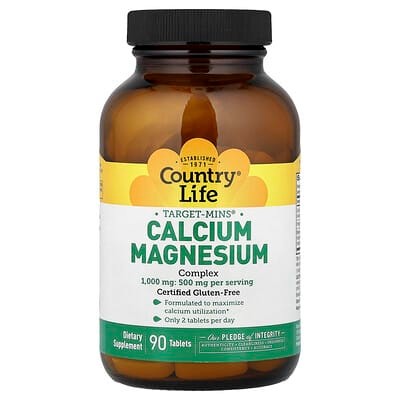
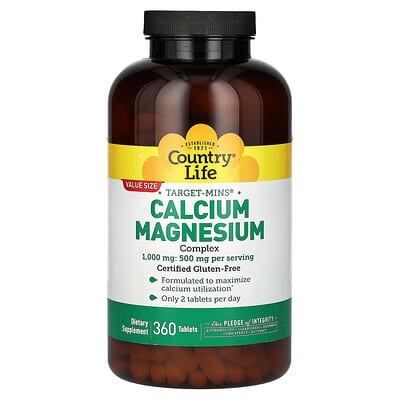
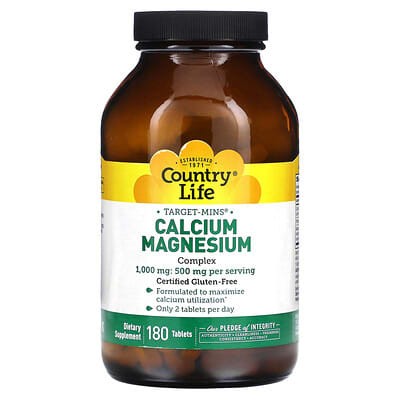
Cheapest Phosphorus supplements
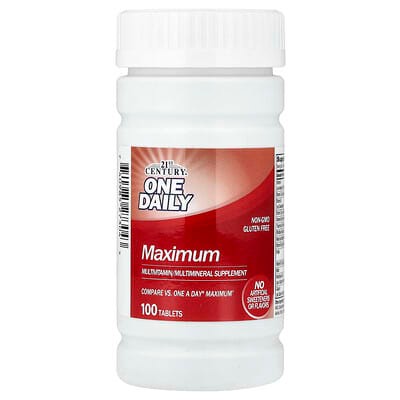
Compare the cheapest Phosphorus supplements available to support your bone health needs.
Best Phosphorus supplements
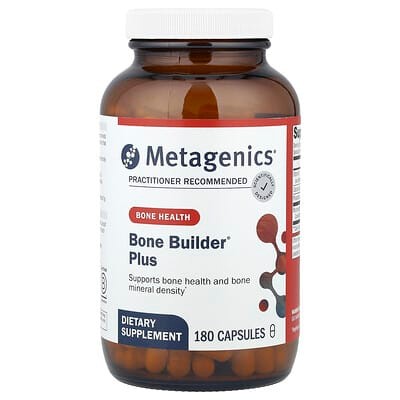
Compare the top phosphorus supplements for bone health and find the best option for your needs.
Value Phosphorus Supplements for Bone Health
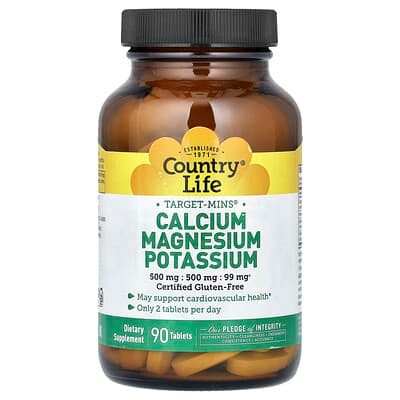
Discover top-rated, value-for-money Phosphorus supplements designed to support strong bones and overall skeletal health.
Timing & Intake
AnytimeWith foodTake with It is generally recommended to take Phosphorus with food to minimize potential digestive upset.
Phosphorus absorption is typically not dependent on specific timing relative to sleep or exercise, but taking it with meals can improve tolerance.
Daily Intake
RDA (Men)700 mg
RDA (Women)700 mg
RDI700 mg
Optimal Dosage
Minimum700 mg
Maximum1200 mg
Safety & Toxicity
Upper Limit (UL)4000 mg
Toxicity Threshold5000 mg
Toxicity EffectImpaired calcium absorption
Price per product
Average$36.32
Median$31.97
Price per serving
Average$0.97
Median$0.83
Price per 100 mg
Average$0.87
Median$0.67
Price distribution
Price per serving distribution
Price per 100 mg
Reference amount: 100 mg
Forms
Paired ingredients
Dicalcium Phosphate (81)85
Dicalcium Phosphate (DCP) is a calcium salt of phosphoric acid, commonly found in dietary supplements, fortified foods, and animal feed. It serves as an excellent source of elemental calcium and phosphorus in a single compound, boasting good bioavailability and stability. It is often used to support bone health and provide these essential minerals.
Pros
  • Excellent source of both calcium and phosphorus
  • Commonly available and stable
  • Good bioavailability for both minerals
Cons
  • High doses may cause digestive upset
  • Calcium intake needs to be considered to avoid imbalance with other sources
Per product
Avg$30.43
Med$24.47
Per serving
Avg$1.13
Med$0.55
Per 10 mg
Avg$0.12
Med$0.07
Price distribution
Tricalcium Phosphate (29)80
Tricalcium Phosphate (TCP) is a calcium phosphate compound similar to dicalcium phosphate but with a different calcium-to-phosphate ratio (closer to 3:2). It is commonly used as a nutritional supplement, an anticaking agent in powdered foods, and a buffering agent. While slightly less soluble than dicalcium phosphate, it is still a good source of bioavailable calcium and phosphorus.
Pros
  • Good source of both calcium and phosphorus
  • Widely available and stable
  • Effective as an anticaking agent in food products
Cons
  • Slightly lower solubility compared to dicalcium phosphate, potentially affecting absorption for some
  • High doses may cause digestive issues or constipation
Per product
Avg$21.38
Med$18.66
Per serving
Avg$0.71
Med$0.52
Per 100 mg
Avg$0.49
Med$0.51
Price distribution
Potassium Phosphate (27)80
Potassium Phosphate is an inorganic salt used as a food additive, a supplement for potassium and phosphorus deficiency, and in medical solutions to correct electrolyte imbalances. It is highly soluble and readily absorbed, offering both minerals important for various metabolic processes, including energy production and muscle function.
Pros
  • Provides two essential electrolytes (potassium and phosphorus)
  • Highly soluble and readily absorbed
  • Useful for addressing electrolyte imbalances
Cons
  • Can cause gastrointestinal upset in higher doses
  • Careful monitoring needed for electrolyte balance, especially with other potassium sources
  • Not primarily chosen just for bone health, but contributes
Per product
Avg$38.52
Med$44.99
Per serving
Avg$1.06
Med$1.04
Per 10 mg
Avg$0.12
Med$0.08
Price distribution
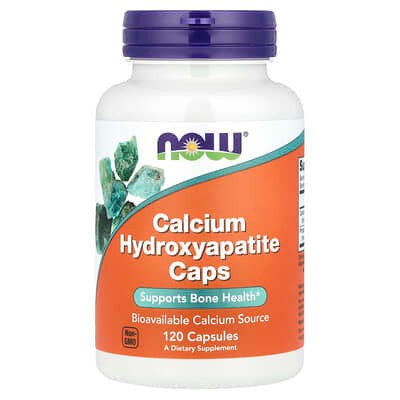
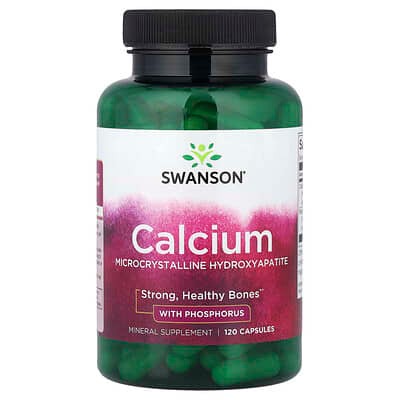
Calcium Hydroxyapatite (22)95
Calcium Hydroxyapatite is a naturally occurring mineral form of calcium phosphate, representing about 70% of bone mass. As a supplement, it is often derived from bovine bone, providing calcium and phosphorus in a crystalline structure identical to human bone. This form is highly bioavailable and contains other trace minerals naturally present in bone.
Pros
  • Bio-identical to human bone mineral, ensuring high recognition and utilization by the body
  • Excellent bioavailability of calcium and phosphorus
  • Contains natural trace minerals that support bone health
  • Generally well-tolerated
Cons
  • May be unsuitable for vegans/vegetarians due to animal origin
  • Potential concerns about sourcing and processing, though reputable brands minimize risks
Per product
Avg$25.65
Med$25.24
Per serving
Avg$0.49
Med$0.43
Per 100 mg
Avg$0.10
Med$0.09
Price distribution
Sodium Phosphate (21)70
Sodium Phosphate refers to a group of salts containing sodium and phosphate ions. It is used as a dietary supplement for phosphorus deficiency, a food additive (emulsifier, texturizer), and notably in medical settings for bowel cleansing before procedures. While it provides phosphorus, it also contributes significant sodium.
Pros
  • Effective source of phosphorus
  • Widely available and used in various medical and food applications
Cons
  • Adds significant sodium to the diet, which can be a concern for individuals with high blood pressure or heart conditions
  • Often associated with strong laxative effects in higher doses (e.g., bowel prep)
  • Less ideal for general daily bone health support due to sodium content
Per product
Avg$47.03
Med$49.99
Per serving
Avg$1.81
Med$1.66
Per 100 mg
Avg$0.88
Med$0.67
Price distribution
Dipotassium Phosphate (13)80
Dipotassium Phosphate (DKP) is a highly soluble inorganic salt of potassium and phosphoric acid. It functions as a food additive (emulsifier, stabilizer, thickener), a buffering agent, and a source of potassium and phosphorus in nutritional supplements and medical solutions. Its high solubility ensures rapid absorption of both minerals.
Pros
  • Highly soluble and readily absorbed
  • Provides two essential electrolytes
  • Versatile in food applications as an emulsifier and stabilizer
Cons
  • Similar to potassium phosphate, high doses can lead to electrolyte imbalances
  • Can cause gastrointestinal upset or laxative effects in some individuals
Per product
Avg$56.30
Med$50.00
Per serving
Avg$6.07
Med$6.16
Per 100 mg
Avg$0.80
Med$0.70
Price distribution
Monobasic Calcium Phosphate (11)78
Monobasic Calcium Phosphate, also known as monocalcium phosphate, is a highly acidic calcium phosphate compound. It is primarily used in the food industry as a leavening agent in baked goods and as an acidulant. While it provides calcium and phosphorus, its high acidity makes it less common as a direct dietary supplement for bone health compared to dicalcium or tricalcium phosphate.
Pros
  • Provides calcium and phosphorus
  • Highly acidic, useful for specific applications like leavening in food products
Cons
  • Less commonly used as a direct dietary supplement for bone health
  • Acidic nature might cause digestive upset in sensitive individuals
  • May not be as readily absorbed or utilized for bone health as other, more neutral forms
Per product
Avg$18.78
Med$14.29
Per serving
Avg$0.63
Med$0.56
Per 100 mg
Avg$0.41
Med$0.37
Price distribution
Monobasic Potassium Phosphate (11)75
Monobasic Potassium Phosphate, also known as potassium dihydrogen phosphate, is an inorganic salt that is acidic in nature. It is widely used as a fertilizer, a food additive (buffer, emulsifier), and in some supplements to provide potassium and phosphorus. Its acidity can be advantageous in certain formulations but may affect digestive tolerance in some individuals.
Pros
  • Provides both potassium and phosphorus
  • Acts as a good buffering agent
  • Highly soluble
Cons
  • Acidic nature might cause stomach upset in sensitive individuals
  • Requires careful consideration of overall potassium and phosphorus intake
Per product
Avg$18.78
Med$14.29
Per serving
Avg$0.63
Med$0.56
Per 100 mg
Avg$0.41
Med$0.37
Price distribution
Monobasic Sodium Phosphate (11)70
Monobasic Sodium Phosphate, also known as sodium dihydrogen phosphate, is an acidic inorganic salt. It is used as a food additive (buffer, emulsifier), in pharmaceutical preparations, and as a source of sodium and phosphorus. Like other sodium phosphates, it contributes to sodium intake and its acidic nature can influence its use and tolerability.
Pros
  • Provides both sodium and phosphorus
  • Effective buffering agent
  • Highly soluble
Cons
  • Contributes significant sodium to the diet
  • Acidic nature may cause gastrointestinal discomfort
  • Often used for specific non-daily-supplement purposes (e.g., pH adjustment) rather than general supplementation
Per product
Avg$18.78
Med$14.29
Per serving
Avg$0.63
Med$0.56
Per 100 mg
Avg$0.41
Med$0.37
Price distribution
Tribasic Calcium Phosphate (11)80
Tribasic Calcium Phosphate is chemically identical to Tricalcium Phosphate (TCP). It is a widely used compound in dietary supplements and as a food additive, functioning as a source of calcium and phosphorus, an anticaking agent, and a nutritional fortifier. It offers good bioavailability for both minerals and is stable in various formulations.
Pros
  • Good source of both calcium and phosphorus
  • Commonly used and widely available
  • Stable and versatile in applications
Cons
  • Slightly lower solubility compared to dicalcium phosphate
  • High doses can cause digestive issues or constipation
Per product
Avg$18.78
Med$14.29
Per serving
Avg$0.63
Med$0.56
Per 100 mg
Avg$0.41
Med$0.37
Price distribution