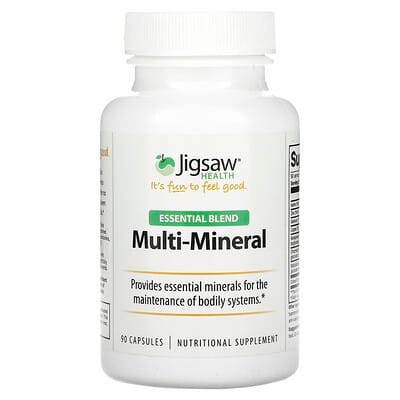
Molybdenum

Description

Molybdenum is a vital trace mineral, meaning the body requires it in small amounts for various critical biological processes. It primarily functions as a cofactor for four key enzymes in humans: sulfite oxidase, xanthine oxidase, aldehyde oxidase, and mitochondrial amidoxime-reducing component (mARC). These enzymes play crucial roles in metabolic pathways, particularly in breaking down certain substances and facilitating detoxification. Sulfite oxidase is essential for the metabolism of sulfur-containing amino acids, converting potentially toxic sulfites into harmless sulfates, which are then excreted from the body. Xanthine oxidase is involved in purine metabolism, a process that breaks down purines into uric acid. Aldehyde oxidase helps in the detoxification of various aldehydes, including those derived from alcohol and certain medications, while mARC is also implicated in the detoxification of diverse compounds. Adequate molybdenum intake is important for overall health, especially for maintaining healthy detoxification pathways and proper sulfur metabolism. While true deficiencies are rare in healthy individuals consuming a balanced diet, certain genetic conditions or prolonged specialized nutritional support can lead to deficiency symptoms affecting neurological function and sulfite processing.

Sources
Legumes (beans, lentils, peas)Grains (oats, wheat)NutsLeafy green vegetablesMilkLiver
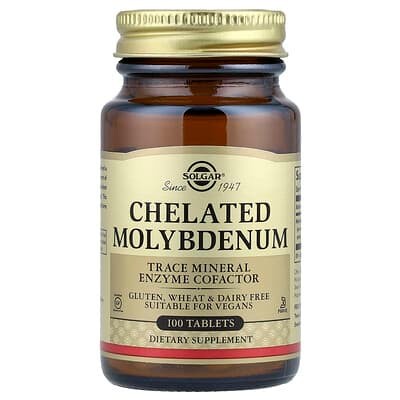
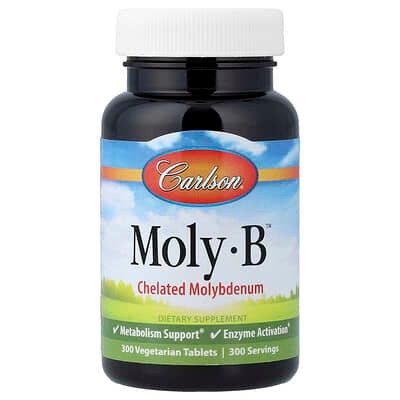
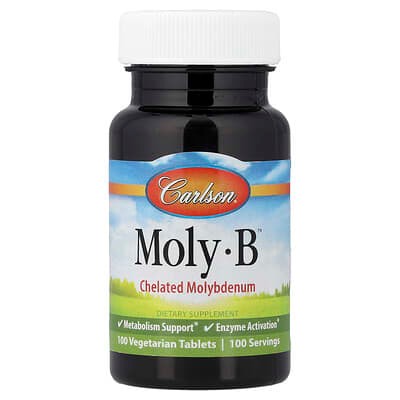
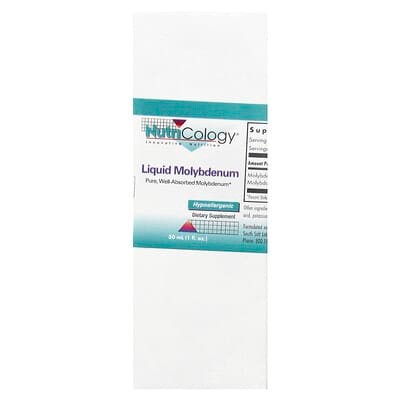
Cheapest Molybdenum supplements
Compare the cheapest Molybdenum supplements available to support your detoxification goals and find the best value for your health.
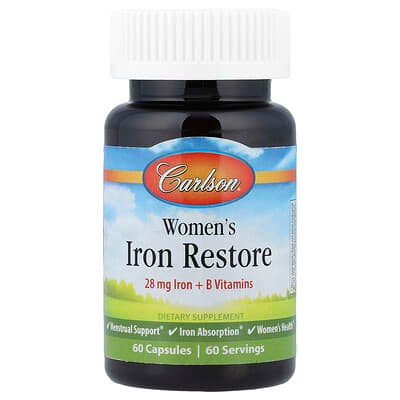
Best Molybdenum supplements
Explore the best Molybdenum supplements to support your body's natural detoxification processes.
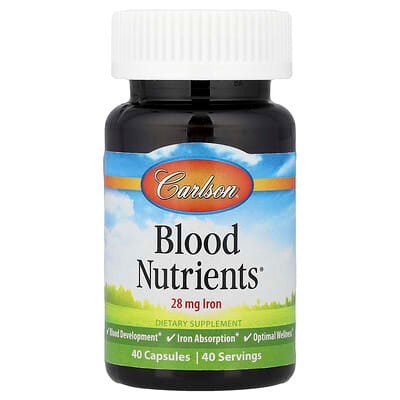
Value Molybdenum supplements
Compare value Molybdenum supplements to support detoxification and overall well-being with our comprehensive list.
Timing & Intake
AnytimeWith food
Can be taken with food to improve absorption and minimize potential stomach upset, although it is generally well-tolerated.
Daily Intake
RDA (Men)45 mcg
RDA (Women)45 mcg
RDI45 mcg
Optimal Dosage
Minimum75 mcg
Maximum300 mcg
Safety & Toxicity
Upper Limit (UL)2000 mcg
Toxicity Threshold5000 mcg
Toxicity EffectGout-like symptoms, kidney damage
Price per product
Average$31.08
Median$26.09
Price per serving
Average$0.78
Median$0.57
Price per 10 mcg
Average$0.13
Median$0.09
Price distribution
Price per serving distribution
Price per 10 mcg
Reference amount: 10 mcg
Forms
Paired ingredients
Sodium Molybdate (115)65
Sodium Molybdate is a water-soluble inorganic salt of molybdenum, often found in mineral supplements. It is a readily available source of molybdenum and is generally well-absorbed, though its bioavailability can sometimes be lower compared to organic chelated forms.
Pros
  • Readily available and cost-effective
  • Generally well-absorbed
Cons
  • Bioavailability potentially lower than chelated forms
  • May cause mild gastrointestinal discomfort in sensitive individuals at higher doses
Per product
Avg$22.77
Med$19.10
Per serving
Avg$0.53
Med$0.46
Per 10 mcg
Avg$0.11
Med$0.06
Price distribution
Molybdenum Amino Acid Chelate (80)85
Molybdenum Amino Acid Chelate involves molybdenum ions bound to one or more amino acids (e.g., glycine, methionine). This chelation process protects the mineral from interference during digestion, leading to improved solubility, stability, and absorption across the intestinal wall compared to inorganic forms.
Pros
  • Enhanced absorption and bioavailability
  • Generally well-tolerated and gentle on the stomach
  • Reduced potential for competitive inhibition with other minerals
Cons
  • Typically higher cost than inorganic forms
Per product
Avg$29.13
Med$24.99
Per serving
Avg$0.69
Med$0.53
Per 10 mcg
Avg$0.23
Med$0.10
Price distribution
Molybdenum Glycinate Chelate (53)90
Molybdenum Glycinate Chelate involves molybdenum bound to a glycine molecule. Glycine is a small amino acid that forms a stable chelate, which is efficiently absorbed through the intestinal wall using amino acid transport pathways. This form is designed to bypass potential absorption inhibitors and enhance mineral delivery to tissues.
Pros
  • High bioavailability and absorption
  • Gentle on the stomach and well-tolerated
  • Stable chelate minimizes interactions with other dietary components
Cons
  • Higher cost compared to inorganic forms
Per product
Avg$32.42
Med$31.96
Per serving
Avg$0.74
Med$0.54
Per 10 mcg
Avg$0.21
Med$0.12
Price distribution
Molybdenum Glycinate (52)88
Molybdenum Glycinate is a chelated form where molybdenum is complexed with glycine. Similar to Molybdenum Glycinate Chelate, this form leverages the small size and efficient absorption pathways of glycine to deliver molybdenum effectively into the body. It is often favored for its enhanced bioavailability over simpler inorganic salts.
Pros
  • Good bioavailability and absorption
  • Well-tolerated and less likely to cause digestive upset
  • Stable form for mineral delivery
Cons
  • Higher cost compared to inorganic forms
Per product
Avg$40.05
Med$35.38
Per serving
Avg$0.88
Med$0.65
Per 10 mcg
Avg$0.20
Med$0.14
Price distribution
fermented Molybdenum Bisglycinate (31)95
Fermented Molybdenum Bisglycinate is a premium form where molybdenum is chelated with two glycine molecules (forming a bisglycinate chelate), and then subjected to a fermentation process. This combination aims to maximize stability, solubility, and bioavailability, ensuring efficient uptake and utilization by the body. Glycine is a small amino acid, which allows for efficient transport across the intestinal wall, and fermentation may aid digestion and provide additional nutrient benefits.
Pros
  • Exceptional bioavailability and absorption due to bisglycinate chelation and fermentation
  • Very gentle on the digestive system
  • Stable chelate that resists breakdown in the stomach
Cons
  • Higher cost due to advanced processing
  • Less commonly available
Per product
Avg$38.33
Med$36.14
Per serving
Avg$0.69
Med$0.67
Per 10 mcg
Avg$0.29
Med$0.16
Price distribution
Molybdenum Citrate (23)82
Molybdenum Citrate is a form where molybdenum is chelated with citric acid. Citrate is a well-known organic acid that enhances the solubility and absorption of minerals in the digestive tract. This chelated form is generally well-tolerated and offers improved bioavailability compared to simple inorganic molybdenum salts.
Pros
  • Enhanced absorption and bioavailability due to citrate chelation
  • Readily available and well-tolerated
  • Citrate has its own metabolic benefits
Cons
  • Higher cost compared to inorganic forms
Per product
Avg$25.25
Med$21.99
Per serving
Avg$0.65
Med$0.36
Per 10 mcg
Avg$0.28
Med$0.16
Price distribution
TRAACS Molybdenum Glycinate Chelate (19)90
Molybdenum Glycinate Chelate involves molybdenum bound to a glycine molecule. Glycine is a small amino acid that forms a stable chelate, which is efficiently absorbed through the intestinal wall using amino acid transport pathways. This form is designed to bypass potential absorption inhibitors and enhance mineral delivery to tissues.
Pros
  • High bioavailability and absorption
  • Gentle on the stomach and well-tolerated
  • Stable chelate minimizes interactions with other dietary components
Cons
  • Higher cost compared to inorganic forms
Per product
Avg$46.71
Med$46.00
Per serving
Avg$1.42
Med$1.06
Per 10 mcg
Avg$0.31
Med$0.14
Price distribution
Molybdenum Krebs Complex (17)89
Molybdenum Krebs Complex refers to molybdenum bound to organic acids such as citrate, malate, succinate, fumarate, or alpha-ketoglutarate, which are naturally occurring intermediates in the Krebs (citric acid) cycle. These complexes are designed to improve mineral solubility, stability, and absorption by leveraging natural metabolic pathways, leading to enhanced bioavailability.
Pros
  • Improved bioavailability due to organic acid carriers
  • Carriers are natural metabolic compounds, potentially aiding cellular utilization
  • Well-tolerated
Cons
  • Higher cost compared to inorganic forms
  • Less commonly available than some other chelated forms
Per product
Avg$37.60
Med$36.95
Per serving
Avg$1.12
Med$0.83
Per 10 mcg
Avg$0.30
Med$0.24
Price distribution
Molybdenum Chelate (16)80
Molybdenum Chelate refers to molybdenum complexed with various organic ligands, such as amino acids (e.g., glycine, methionine) or organic acids. This chelation process aims to protect the mineral during digestion and facilitate its absorption, leading to better bioavailability than non-chelated forms. The specific efficacy can vary depending on the particular chelating agent used.
Pros
  • Improved absorption and bioavailability over inorganic forms
  • Generally well-tolerated
Cons
  • Specificity of chelate can vary between products (e.g., not all chelates are equal)
  • Higher cost than inorganic forms
Per product
Avg$30.14
Med$30.58
Per serving
Avg$0.60
Med$0.67
Per 100 mcg
Avg$0.79
Med$0.73
Price distribution
S. cerevisiae (16)87
S. cerevisiae (Saccharomyces cerevisiae) as a molybdenum form means the mineral has been incorporated into the yeast cells during their growth. This process creates a 'food-form' mineral, mimicking how minerals naturally occur in foods. This form is believed to enhance absorption and utilization due to the natural delivery system provided by the yeast matrix, potentially offering additional nutritional benefits from the yeast itself.
Pros
  • High bioavailability, often considered a 'food-form' mineral
  • May be better tolerated by individuals sensitive to inorganic mineral salts
  • Provides additional nutrients from the yeast matrix
Cons
  • Potential for yeast allergies or sensitivities
  • Higher cost than inorganic forms
Per product
Avg$44.81
Med$37.27
Per serving
Avg$0.94
Med$1.04
Per 10 mcg
Avg$0.22
Med$0.22
Price distribution