
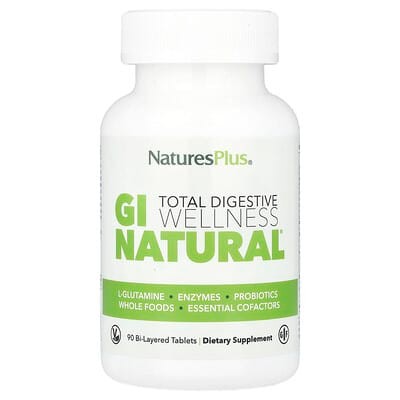


About this product
The clearest support comes from its nutrients, while the digestive blends are harder to judge. Zinc at 15 mg uses the favorable gluconate form, and vitamin C at 200 mg contributes to normal collagen formation. Selenium adds nutritional support for normal immune and antioxidant functions when intake is low.
Digestive claims are limited by missing blend detail. The prebiotic blend gives a total weight, while the probiotic entry does not identify strains or viable counts and the enzyme blends do not establish enzyme activity. Their small listed weights cannot show how much useful digestive activity each provides.
L-glutamine is separately disclosed at 1,000 mg, which makes that part easier to compare. Calcium is listed across carbonate and phosphate sources without their proportions, so the repeated form entries should not be added into a larger calcium serving. The full serving cost is relatively high for the zinc, calcium and glutamine contributions.
A fit is easier to establish for filling nutrient gaps than for a specific digestive outcome. Additional hair, skin or hormone benefits are uncertain when nutrient intake is already adequate. Incomplete blend composition prevents a confident assessment of the full mixture.
Pros
Zinc gluconate is a favorable source for absorption. The 1,000 mg glutamine amount is listed separately. Main nutrient and blend weights are disclosed.
Cons
Probiotic strains and viable counts are not established by the supplied information. Enzyme blend weights do not establish enzyme activity. The prebiotic blend does not disclose its individual components. Calcium source proportions are unclear. Relatively high serving cost for the assessable zinc, calcium and glutamine.


