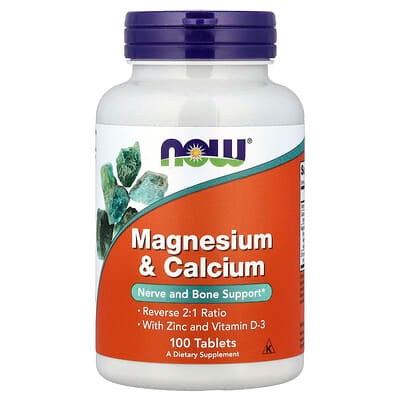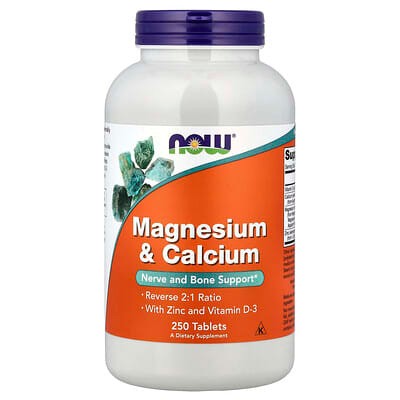


About this product
Filling mineral gaps for bone and muscle function is the clearest use. Calcium contributes 400 mg, vitamin D3 supports calcium use, and 15 mg zinc adds normal nutritional support. The combination does not establish broader energy, testosterone or cardiovascular improvements when intake is already adequate.
The declared 800 mg elemental magnesium serving is unusually large and deserves more attention than the number of magnesium forms. Glycinate and taurinate are included alongside oxide and other sources, but their proportions are undisclosed. The larger amount does not show greater benefit for stress, mood or everyday energy.
The cost is attractive for a combined mineral supplement, and the named zinc source helps clarify ingredient quality. Unclear calcium and magnesium proportions make it harder to know how much the more favorable forms contribute. People wanting a modest magnesium top-up may find the serving less suitable than its low cost first suggests.
Pros
Calcium provides a meaningful partial contribution toward daily intake Includes vitamin D3 alongside calcium Uses a clearly named zinc monomethionine source Attractive cost for combined mineral coverage
Cons
Magnesium and calcium sources are not individually quantified Oxide is included alongside more favorable magnesium forms The large magnesium amount makes small intake adjustments difficult Routine mood, focus and metabolic gains remain uncertain
Warnings
The 800 mg elemental magnesium serving is large, and magnesium can draw water into the bowel; loose stools may make the full serving difficult to tolerate. Adding another magnesium supplement would further increase an already substantial daily amount.