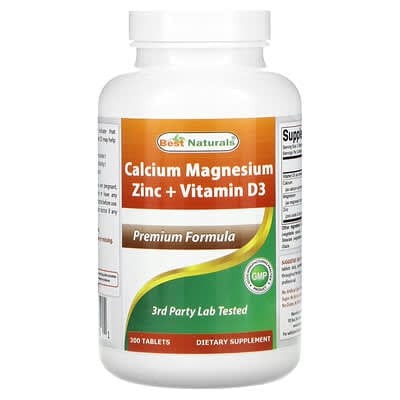


About this product
Bone nutrition is the clearest reason to consider the combination. The assessed totals of 1,000 mg calcium, 400 mg magnesium and 15 mcg vitamin D contribute to mineral supply and normal calcium use when intake is low. Their substantial amounts do not establish extra benefit once nutritional needs are met.
Absorption quality is harder to judge because the proportions of the mineral sources are missing. Calcium combines carbonate and citrate, magnesium combines citrate and oxide, and zinc combines gluconate and oxide. The oxide components weaken the case for favorable absorption, while calcium is present at two and a half times the magnesium amount.
The low serving cost supports value for calcium and zinc, with a weaker case for magnesium after its forms are considered. Zinc contributes normal immune and skin nutrition, but the wider claims for mood, memory, testosterone and metabolism do not establish broad enhancement in adequately nourished adults. The 25 mg zinc amount is relatively high, and the copper contribution remains unclear.
Pros
Calcium and vitamin D have complementary nutritional roles Nutrient totals and named source forms are disclosed Calcium and zinc offer favorable qualitative value
Cons
Citrate-to-oxide proportions are unknown Oxide components limit the absorption case Calcium outweighs magnesium substantially The breadth of suggested uses exceeds the supported practical benefits