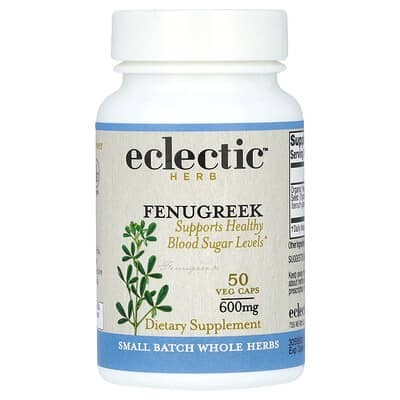
Fenugreek

Description

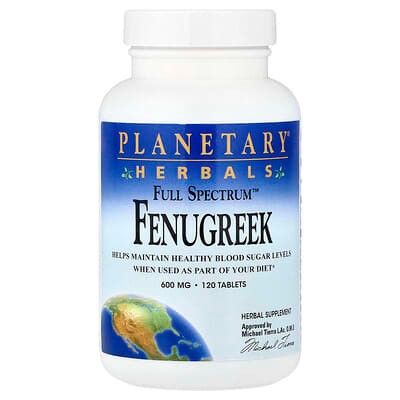
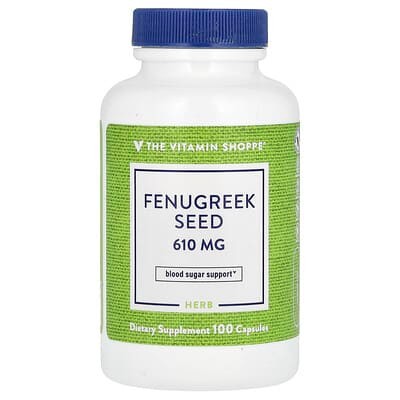
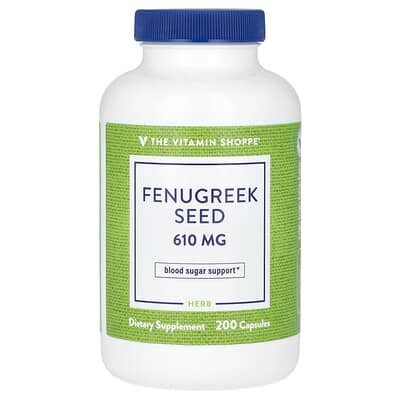
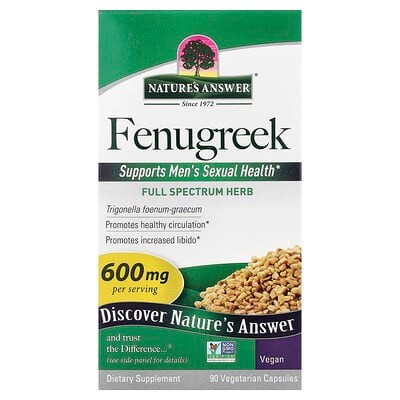
Fenugreek, derived from the plant Trigonella foenum-graecum, is an ancient herb originating from India and the Mediterranean region. Both its leaves and seeds are consumed, with the seeds being the most common form found in supplements. Traditionally, fenugreek has been a staple in Ayurvedic and Chinese medicine for various ailments, including digestive issues and to promote lactation. Its key benefits are often attributed to its rich content of soluble fiber, saponins, and alkaloids. Fenugreek is frequently studied for its potential to help regulate blood sugar levels, making it of interest for metabolic support. Additionally, it has gained popularity for its purported ability to support healthy testosterone levels in men and to naturally increase milk production in breastfeeding mothers. Beyond these primary uses, fenugreek also offers antioxidant and anti-inflammatory properties. It can contribute to overall digestive health due to its fiber content and has been explored for its role in cholesterol management and appetite control. Its versatile nature makes it a valued ingredient in both culinary and wellness applications.

Sources
Fenugreek seedsFenugreek leaves
Cheapest Fenugreek Supplements
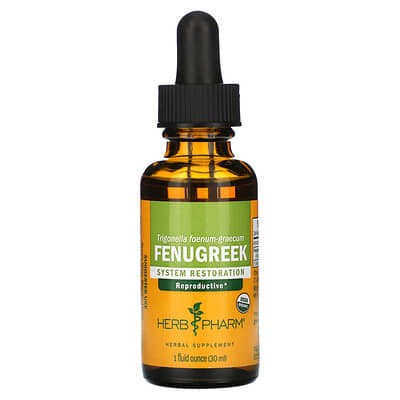
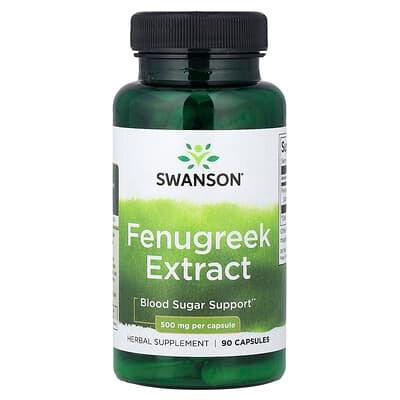
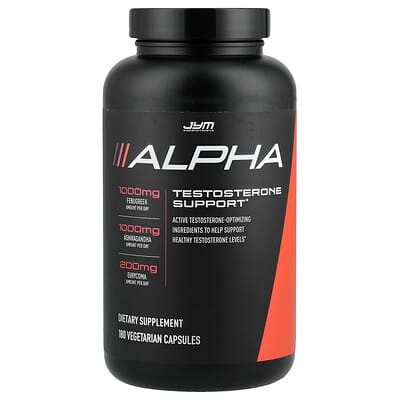
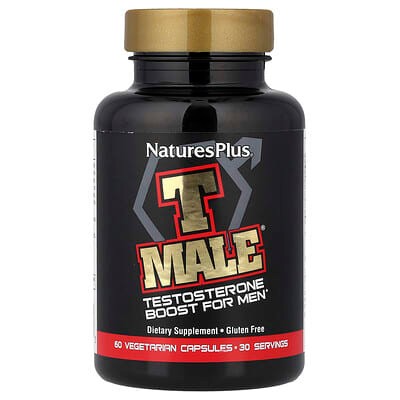
Discover the most affordable Fenugreek supplements designed to support your goals for weight gain and testosterone, offering an economical path to your wellness journey.
Best Fenugreek Supplements
Discover the best fenugreek supplements chosen for their effectiveness in supporting weight gain and testosterone levels.
Value Fenugreek supplements
Discover the top value Fenugreek supplements, compared for their effectiveness in supporting weight gain and testosterone levels.
Timing & Intake
AnytimeWith foodTake with Meals to minimize digestive upset and aid absorption.
Taking fenugreek with food can help mitigate potential gastrointestinal side effects.
Optimal Dosage
Minimum500 mg
Maximum1000 mg
Safety & Toxicity
Price per product
Average$27.88
Median$26.71
Price per serving
Average$1.02
Median$0.73
Price per 100 mg
Average$0.38
Median$0.21
Price distribution
Price per serving distribution
Price per 100 mg
Reference amount: 100 mg
Forms
Paired ingredients
Saponins (9)85
Saponins are a class of glycosides found abundantly in fenugreek seeds. Furostanolic saponins, such as protodioscin and diosgenin, are specifically studied for their potential to increase free and total testosterone levels by mechanisms including inhibiting certain enzymes (e.g., 5-alpha reductase, aromatase) or stimulating testosterone production. They may also contribute to fenugreek's effects on glucose metabolism and appetite stimulation.
Pros
  • Directly linked to testosterone increase in human studies
  • Potential metabolic benefits for blood sugar and lipids
  • Well-researched active component of fenugreek
Cons
  • Can cause mild digestive upset (e.g., bloating, gas) in high doses
  • May contribute to body odor with a 'maple syrup' smell
  • Specific saponin profiles and efficacy can vary between extracts
Per product
Avg$42.88
Med$43.99
Per serving
Avg$1.47
Med$1.43
Per 100 mg
Avg$0.34
Med$0.36
Price distribution
Fenugreek Furans (2)30
Fenugreek contains various furan-containing compounds, including sotolone, which imparts the characteristic maple syrup aroma to fenugreek. While some furanostanols are active saponins, 'Fenugreek Furans' as a general category often refers to these aroma compounds or other non-steroidal furans. Their direct role in testosterone regulation or weight gain is not extensively studied or established.
Pros
  • Contributes to the unique flavor and aroma profile of fenugreek
Cons
  • No direct strong evidence for testosterone support as a distinct category from furanostanolic saponins
  • No direct strong evidence for promoting weight gain
  • May contribute to body odor
Per product
Avg$49.71
Med$49.71
Per serving
Avg$1.65
Med$1.65
Per 1000 mg
Avg$1.51
Med$1.51
Price distribution
Furanostanols (2)90
Furanostanols are steroidal saponins, a subgroup of saponins, known for their unique furan ring structure. Protodioscin is a prominent furanostanol found in fenugreek that is believed to promote the production of dehydroepiandrosterone (DHEA) and subsequent androgen synthesis. Research indicates that furanostanols can significantly contribute to increases in free and total testosterone, improved muscle strength, and enhanced sexual function.
Pros
  • Potent and well-researched for testosterone support and libido enhancement
  • Often standardized in effective fenugreek extracts
  • May contribute to improved muscle strength and body composition
Cons
  • May cause digestive upset or flatulence in sensitive individuals
  • Specific furanostanol content and efficacy can vary by product
  • Potential for body odor ('maple syrup' scent)
Per product
Avg$49.71
Med$49.71
Per serving
Avg$1.65
Med$1.65
Per 1000 mg
Avg$1.51
Med$1.51
Price distribution
Stanols (2)25
Stanols, or phytostanols, are saturated forms of plant sterols. While fenugreek contains various steroidal compounds (like saponins and furanostanols), 'stanols' as a general category in fenugreek are not primarily associated with testosterone-boosting or weight-gain effects in research. They are more commonly recognized for their ability to help reduce LDL cholesterol absorption. The specific active compounds for testosterone are the furanostanolic saponins, which are steroidal but not typically referred to broadly as 'stanols' in this context.
Pros
  • Potential for cholesterol management (general health benefit, but not a specified goal here)
Cons
  • No direct strong evidence for testosterone support from general fenugreek stanols
  • No direct strong evidence for promoting weight gain from general fenugreek stanols
Per product
Avg$49.71
Med$49.71
Per serving
Avg$1.65
Med$1.65
Per 1000 mg
Avg$1.51
Med$1.51
Price distribution
Fenugreek Extract (1)80
Fenugreek extract is a concentrated preparation from the seeds of the fenugreek plant. These extracts are often standardized to contain specific levels of bioactive compounds, such as furostanolic saponins and furanostanols, which are believed to be responsible for the herb's effects on testosterone, libido, and appetite. This form is widely used in dietary supplements due to its potency and consistent delivery of active constituents compared to raw powder.
Pros
  • Concentrated and potent, delivering higher levels of active compounds
  • Often standardized, allowing for consistent dosing and predictable effects
  • Widely used in research studies demonstrating benefits for testosterone and appetite
Cons
  • Efficacy can still depend on the specific standardization and extract type
  • May still cause mild digestive issues or body odor in some individuals
  • Can be more expensive than raw fenugreek powder
Per product
Avg$38.47
Med$38.47
Per serving
Avg$1.28
Med$1.28
Per 100 mg
Avg$0.21
Med$0.21
Price distribution
Fenugreek fibers (1)35
Fenugreek seeds are rich in dietary fibers, encompassing both soluble (primarily galactomannan) and insoluble types. These fibers contribute to digestive regularity, help manage blood sugar levels, and promote a feeling of fullness. While essential for overall health, the broad category of fenugreek fibers does not directly influence testosterone production, and their satiety-inducing properties can be counterproductive for intentional weight gain without careful dietary planning.
Pros
  • Supports overall digestive health
  • Aids in blood sugar control
  • Contributes to feelings of fullness
Cons
  • Can cause digestive discomfort (e.g., bloating, gas) if consumed in large amounts
  • Satiety effects may inhibit weight gain by reducing overall caloric intake
  • No direct evidence for increasing testosterone
Per product
Avg$33.60
Med$33.60
Per serving
Avg$1.12
Med$1.12
Per 100 mg
Avg$0.17
Med$0.17
Price distribution
Galactomannan (1)40
Galactomannan is a heteropolysaccharide that forms a significant portion of fenugreek seeds. As a soluble fiber, it forms a viscous gel in the digestive tract, which helps slow gastric emptying, moderate blood glucose response, and promote satiety. While beneficial for digestive health and blood sugar control, its direct impact on testosterone levels is negligible, and its satiety-promoting effects might counter weight gain if not managed within a high-calorie diet.
Pros
  • Supports digestive health and regularity
  • Helps regulate blood sugar levels
  • Promotes satiety, which can aid in weight management (if desired)
Cons
  • Can cause bloating, gas, or other digestive discomfort in high doses
  • Satiety effects may hinder weight gain if caloric intake is not carefully managed
  • No direct evidence for increasing testosterone
Per product
Avg$33.60
Med$33.60
Per serving
Avg$1.12
Med$1.12
Per 100 mg
Avg$0.17
Med$0.17
Price distribution
Total Saponins (1)85
Saponins are a class of glycosides found abundantly in fenugreek seeds. Furostanolic saponins, such as protodioscin and diosgenin, are specifically studied for their potential to increase free and total testosterone levels by mechanisms including inhibiting certain enzymes (e.g., 5-alpha reductase, aromatase) or stimulating testosterone production. They may also contribute to fenugreek's effects on glucose metabolism and appetite stimulation.
Pros
  • Directly linked to testosterone increase in human studies
  • Potential metabolic benefits for blood sugar and lipids
  • Well-researched active component of fenugreek
Cons
  • Can cause mild digestive upset (e.g., bloating, gas) in high doses
  • May contribute to body odor with a 'maple syrup' smell
  • Specific saponin profiles and efficacy can vary between extracts
Per product
Avg$15.60
Med$15.60
Per serving
Avg$0.52
Med$0.52
Per 100 mg
Avg$0.09
Med$0.09
Price distribution