
Nutrient quality
Chicken bone broth protein concentrate is identified, but its amino-acid profile and processing quality are not supplied. The protein amount is substantial, while potassium and sodium provide only moderate secondary amounts.
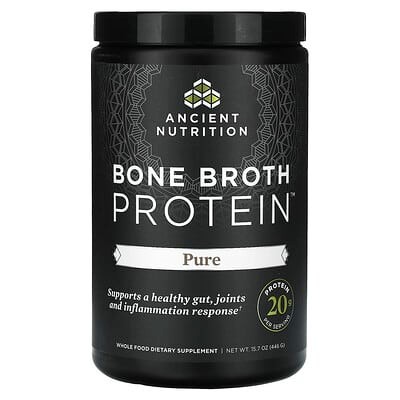
.
 iHerb iHerb | $ 45.01 | |
 Amazon Amazon | $ 44.90 | |
 Daily Vita Daily Vita | $ 45.01 | |
 Vitacost Vitacost | $ 49.39 | |
 Pure Formulas Pure Formulas | $ 45.01 |
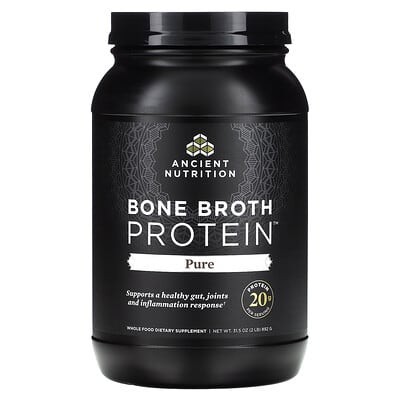
The unflavored powder supplies 20 g of protein from chicken bone-broth concentrate with little carbohydrate. Its short active list is easy to assess, and 280 mg potassium adds a modest nutritional contribution.
The label does not provide an amino-acid profile or collagen-marker detail, so protein quality cannot be compared precisely with whey or complete plant blends. Sodium and potassium remain too limited for demanding electrolyte replacement.
The formula fits people who want a lean bone-broth protein and tolerate poultry-derived ingredients. The higher recurring cost reduces competitiveness, while its heart-health positioning is weak because no targeted cardiovascular active is supplied.
Chicken bone broth protein concentrate is identified, but its amino-acid profile and processing quality are not supplied. The protein amount is substantial, while potassium and sodium provide only moderate secondary amounts.
.Protein and mineral amounts are stated clearly. The supplied data does not include a complete flavoring and inactive ingredient list.
.The aggregate satisfaction measure and review volume provide a useful first impression. Missing firsthand feedback leaves repeat complaints and real-world purpose fit uncertain.
.The high serving cost is difficult to justify for a basic single-source protein concentrate. Each serving provides limited value relative to similarly dosed protein powders.
.| Ingredient | Amount per serving |
|---|---|
Calories | 80 Calorie(s) |
Protein | 20 Gram(s) |
Sodium | 170 mg |
Potassium | 280 mg |
Chicken Bone Broth Protein concentrate | 22.3 Gram(s) |
The sodium amount is modest for intense activity and is better suited to lighter use. The sodium source is not identified, which limits confidence in its purity and functional form. Broader non-electrolyte ingredients explain much of the serving cost, making electrolyte-specific value difficult to isolate.