Nutrient quality
Standardized saw palmetto, plant sterols, nettle, green tea, zinc, and lycopene create a detailed prostate formula. Core actives have meaningful depth.
 Daily Vita Daily Vita | $ 22.36 | |
 Pure Formulas Pure Formulas | $ 22.36 | |
 Vitacost Vitacost | $ 22.36 |
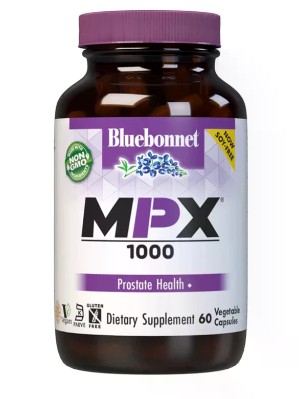
The formula provides 320 mg saw-palmetto extract with plant sterols, stinging-nettle root, lycopene, pumpkin, flax, zinc, and copper. Zinc bisglycinate and balanced copper are thoughtful additions to the prostate-focused design.
Saw-palmetto fatty-acid and sterol percentages are not disclosed, and dry capsules are less suitable than oil-based delivery. Nettle root is correctly targeted but modest, while flax and pumpkin powders contribute little at 100 mg each.
The blend may fit prostate-related inflammatory support better than testosterone or general systemic inflammation. Evidence for hair use remains limited, and saw palmetto introduces a medication-specific bleeding consideration.
Standardized saw palmetto, plant sterols, nettle, green tea, zinc, and lycopene create a detailed prostate formula. Core actives have meaningful depth.
Active ingredients have stated amounts without a proprietary blend. Important standardization, activity, or form details remain missing.
The aggregate rating is favorable and is supported by limited review volume. No specific comments are supplied, so repeated complaints and purpose alignment cannot be confirmed directly.
Value is reasonable for the effective doses and ingredient forms. Lightly dosed additions or premium pricing weaken competitiveness.

Saw palmetto at a commonly used amount directly targets an androgen-related pathway, while zinc, pumpkin, nettle, green tea, and lycopene add support. Evidence for oral saw palmetto in hair loss remains limited, so results are uncertain.
Missing fatty-acid and sterol percentages make extract potency harder to judge, and a dry capsule is not ideal for fat-soluble actives. Saw palmetto may increase bleeding tendency with anticoagulant or antiplatelet medicines.

Green tea catechins, nettle, saw palmetto, plant sterols, flax, pumpkin, and lycopene provide several prostate-focused inflammatory mechanisms. Evidence is mixed because much of the human support concerns prostate symptoms rather than systemic inflammation.
Saw palmetto and plant sterols are substantial, while green tea, nettle, flax, and pumpkin are modest. The blend may suit prostate-focused inflammatory support better than a general systemic goal.
Zinc bisglycinate and stinging nettle provide plausible testosterone-synthesis and free-hormone pathways. The nettle amount is modest, and the rest of the formula is designed primarily for prostate support rather than endocrine optimization.
Zinc is well dosed and balanced with copper, while nettle root is identified by active sterols. Saw palmetto, plant sterols, and several prostate botanicals make the formula less direct for someone focused on testosterone.
No linked studies yet.
| Ingredient | Amount per serving |
|---|---|
Vitamin B6 (Pyridoxine Hydrochloride) | 25 mg |
Zinc (Zinc Bisglycinate Chelate) | 20 mg |
Copper (Copper Bisglycinate Chelate) | 2 mg |
Saw Palmetto Berry Extract (Fatty Acids, Active Sterols) | 320 mg |
Plant Sterols (Soybeans) | 223 mg |
Pumpkin, Powder | 100 mg |
Flax, Powder | 100 mg |
Green Tea extract (Catechins, EGCG, Polyphenols) | 100 mg |
Stinging Nettle root extract (Active Sterols) | 100 mg |
Tomato fruit extract (Lycopene) | 10 mg |
Root selection and active-sterol identification create a well-targeted prostate ingredient. The extract amount remains low even though its marker-focused description improves quality confidence. A slightly elevated serving cost yields fair rather than strong value.
Fatty acids and sterols are named without their standardization percentages. The 320 mg daily amount matches the clinical target. Dry vegetable capsules are less suitable for fat-soluble actives than oil-based softgels; the moderately high serving cost is partly offset by nettle, pumpkin, and lycopene.
Flax powder is clearly listed, but the 100 mg amount remains well below the powder benchmark. No active-marker yield, sourcing certification, or oxidation safeguard is shown. Low serving cost supports value on the collection's median-dose basis, yet the flax contribution is too small for a dose-focused choice.
Published studies used for the product analysis and the top-ranked studies for each ingredient and goal.