
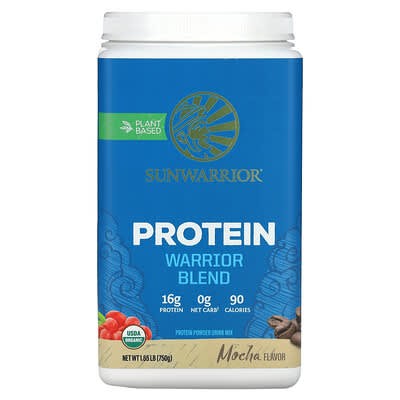
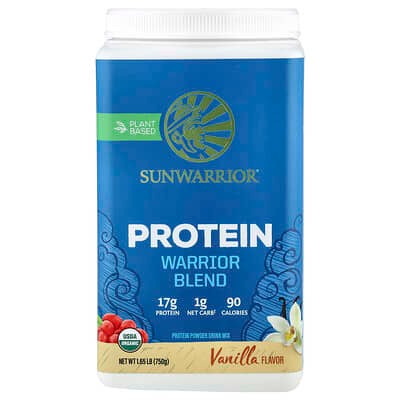
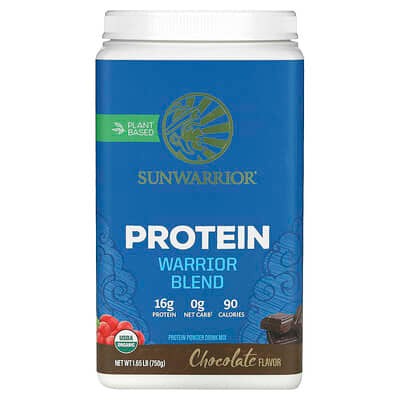
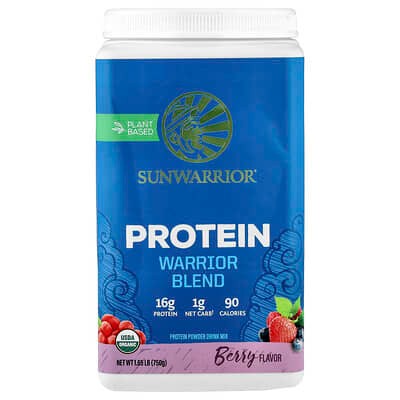
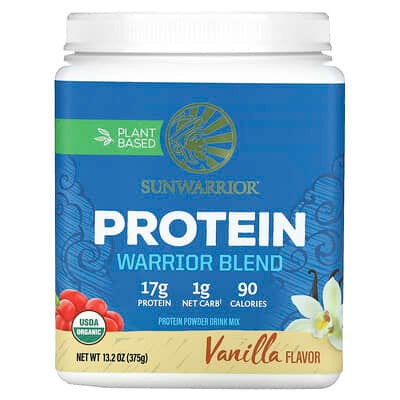
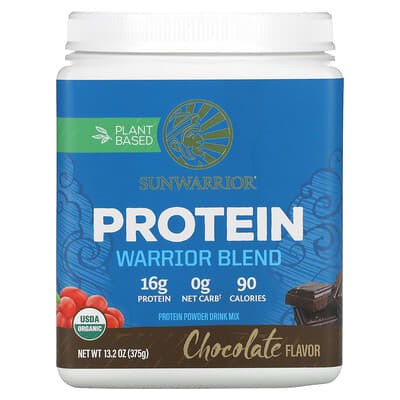
Nutrient quality
Useful protein amounts and a lean profile support basic nutrition without obvious padding. Unknown protein sources, conflicting panels, and no direct focus ingredient weaken dose confidence and intended-goal fit.
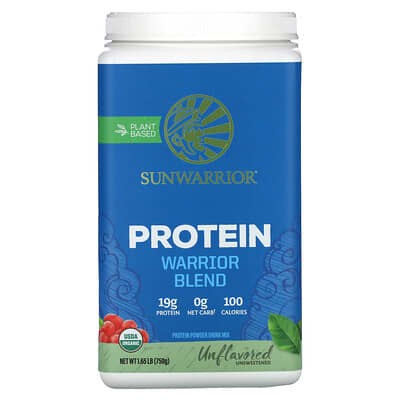
.
 Amazon Amazon | $ 44.44 | |
 Vitacost Vitacost | $ 49.47 | |
 iHerb iHerb | $ 44.97 |
The higher listed serving delivers 28 g of protein with modest carbohydrate. Plant-based users can get a useful protein addition without relying on dairy.
Two different nutrition sets appear in the supplied data, so the actual serving profile needs to be checked on the package. Sodium and iron vary materially between those entries, which affects dietary fit.
The product costs more per serving than simpler pea or soy isolates. The complete blend composition and amino acid balance are not available, limiting quality assessment.
Useful protein amounts and a lean profile support basic nutrition without obvious padding. Unknown protein sources, conflicting panels, and no direct focus ingredient weaken dose confidence and intended-goal fit.
.No proprietary blend is shown, but conflicting nutrition panels make the active amounts hard to interpret. Generic protein naming, missing directions, and absent non-active ingredients further reduce clarity.
.The aggregate rating is moderately favorable, but it provides no specific experience evidence. The large review count gives the aggregate signal a stable volume base, while no detailed feedback is supplied to assess taste, mixability, tolerance, or recurring complaints.
.Potentially useful protein gives the formula some value without unrelated extras. Conflicting panels, missing source details, and a high relative serving cost weaken competitiveness.
.| Ingredient | Amount per serving |
|---|---|
Calories | 150 Calorie(s) |
Total Fat | 3 Gram(s) |
Total Carbohydrates | 2 Gram(s) |
Protein | 28 Gram(s) |
Calcium | 36 mg |
Iron | 9 mg |
Sodium | 395 mg |
The 25 g serving appears to provide 264 mg sodium, which is just below the preferred athletic range. The sodium source is not identified, and no supporting electrolyte forms or buffering compounds are listed. Its higher cost mainly reflects protein content rather than specialized electrolyte delivery.
The protein powder supplies 9 mg of iron per serving, leaving it below the effective supplementation range. The iron form is not identified, and no qualifying absorption cofactors are listed. Its cost and variable scoop serving make it poorly suited as a dedicated iron product.