
Nutrient quality
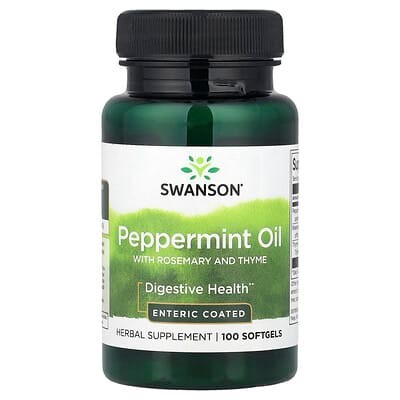
Enteric coating helps protect the concentrated oils until they reach the intestine. Peppermint oil is meaningful, while rosemary and thyme oils are modest supporting amounts.
.
 iHerb iHerb | $ 12.79 | |
| iHerb | $ 12.79 | |
 Amazon Amazon | $ 16.89 |
Peppermint oil is the lead ingredient and the enteric coating may help it pass through the stomach before release. Rosemary and thyme oils broaden the combination but are each present at much smaller amounts.
The oils are individually quantified, which is better than a proprietary blend. Rosemary lacks plant-part and active-marker details, limiting potency assessment.
A one-softgel serving and high count make the product convenient. Its best fit is a peppermint-centered digestive oil routine rather than dedicated rosemary supplementation.
Enteric coating helps protect the concentrated oils until they reach the intestine. Peppermint oil is meaningful, while rosemary and thyme oils are modest supporting amounts.
.Active amounts are stated and no proprietary blend hides a core dose. Missing excipient details and complete use directions leave the supplied label information incomplete.
.The supplied aggregate satisfaction average provides a broad signal, while the response volume determines how stable it appears. No comment-level evidence is available to assess repeated complaints or confirm intended-use experiences.
.Useful active delivery supports favorable serving value. Every listed active has a clear role in the focused oil blend.
.| Ingredient | Amount per serving |
|---|---|
Peppermint Oil | 180 mg |
Rosemary Oil | 18 mg |
Thyme Oil | 18 mg |
The enteric-coated softgel is well suited to protecting and delivering rosemary oil. Its 18 mg amount is below a meaningful consumer dose for rosemary and appears secondary to the larger peppermint oil serving. Low serving cost helps value, but it does not overcome the limited rosemary dose or missing plant-part detail.