
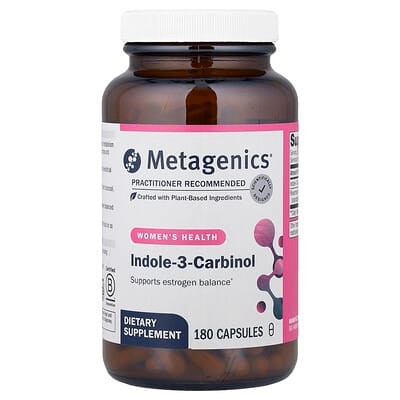
Nutrient quality
The rosemary leaf extract names carnosol and carnosic acid, with only percentages and extraction details missing. Both indole-3-carbinol and rosemary reach meaningful combination-formula amounts.
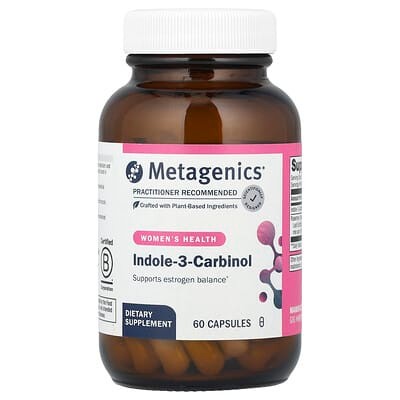
.
 iHerb iHerb | $ 39.95 | |
| iHerb | $ 39.95 | |
 Pure Formulas Pure Formulas | $ 38.95 |
Rosemary leaf extract is tied to two relevant diterpenes, carnosol and carnosic acid. That specificity is a clear strength even though the exact standardization percentages are absent.
Indole-3-carbinol is supplied at a substantial amount and likely defines the product's primary use. The formula therefore serves a combined purpose rather than standalone rosemary supplementation.
A single capsule and moderate count are convenient. Users should consider whether the targeted I3C ingredient fits their hormone-related health context before choosing it for rosemary alone.
The rosemary leaf extract names carnosol and carnosic acid, with only percentages and extraction details missing. Both indole-3-carbinol and rosemary reach meaningful combination-formula amounts.
.Active amounts are stated and no proprietary blend hides a core dose. Missing excipient details and complete use directions leave the supplied label information incomplete.
.The supplied aggregate satisfaction average provides a broad signal, while the response volume determines how stable it appears. No comment-level evidence is available to assess repeated complaints or confirm intended-use experiences.
.Quality, disclosure, or serving economics materially weaken value. Both listed actives have a clear role without obvious padding.
.| Ingredient | Amount per serving |
|---|---|
Indole-3-Carbinol | 150 mg |
Rosemary Leaf Extract (Carnosol, Carnosic Acid) | 50 mg |
The leaf extract names key rosemary diterpenes, supporting better quality disclosure than a basic herb powder. A capsule carries a clearly separated amount that is meaningful within this focused formula. The above-median cost is partly justified by the marker-focused extract, though percentage standardization is missing.