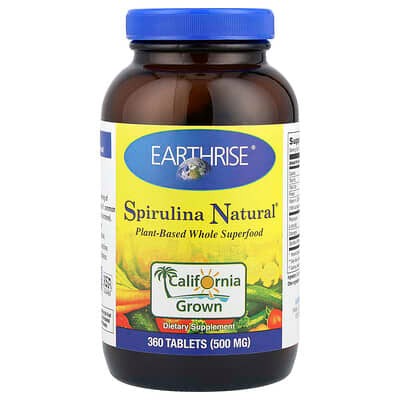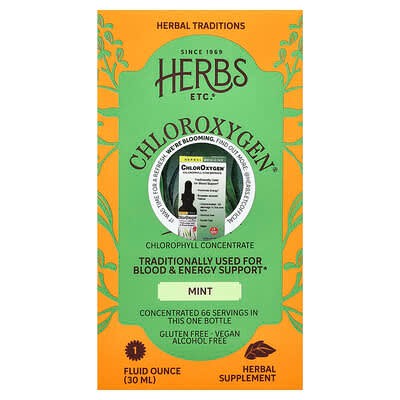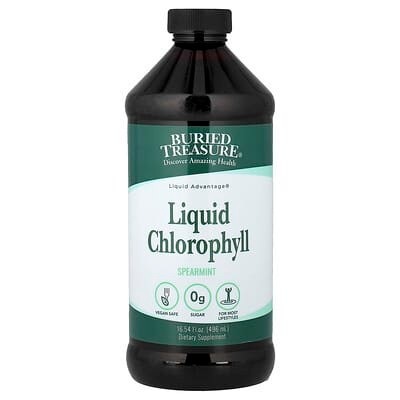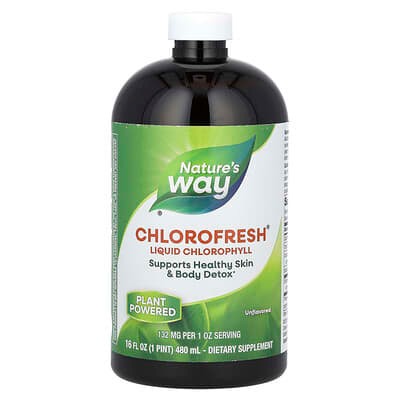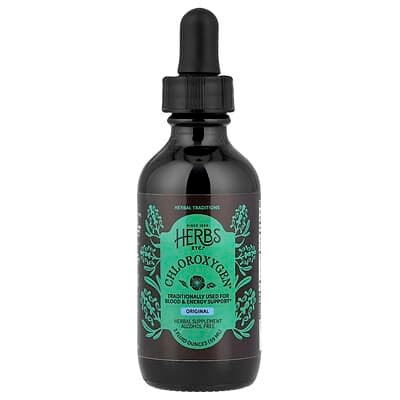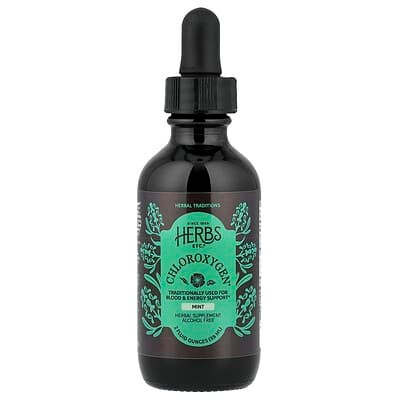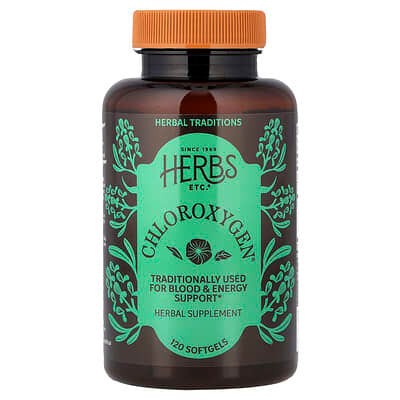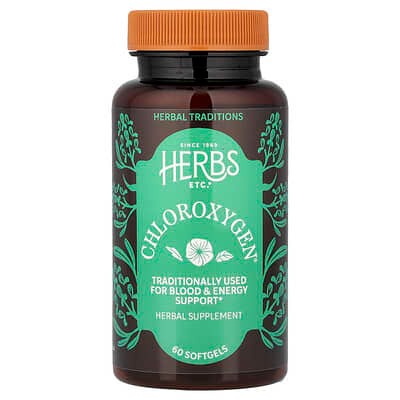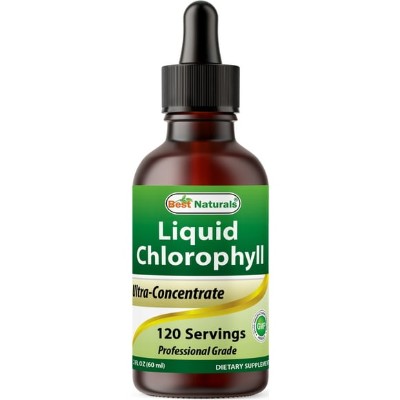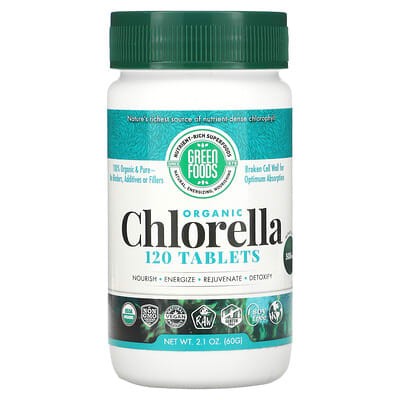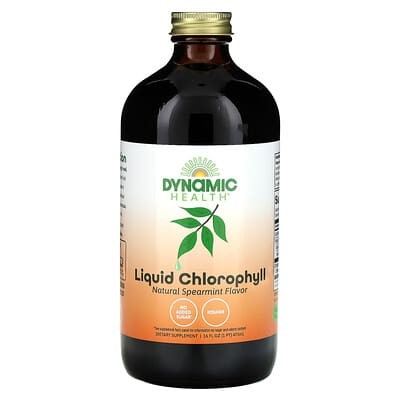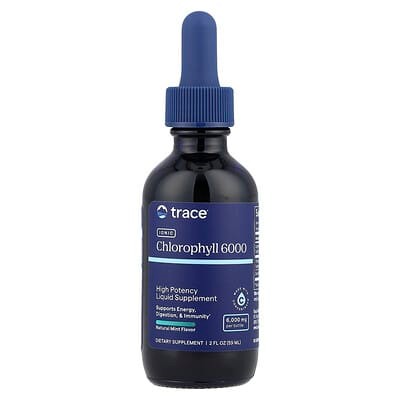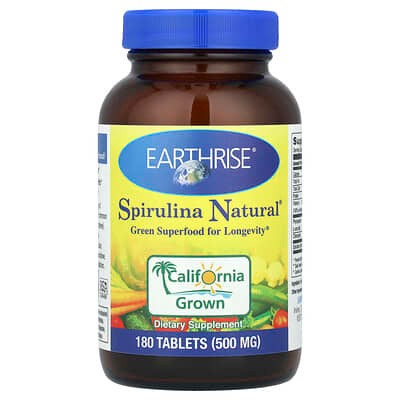
Chlorophyll acts as an internal deodorant and has antioxidant properties that can help protect cells from oxidative stress. While some evidence suggests it may reduce inflammation and aid in healing, its direct, high-impact benefits for skin when taken orally are less established than other targeted antioxidants.
- Focuses on
- Most relevant for
- Individuals seeking general antioxidant support, though clinical evidence for oral skin health benefits is currently lacking.
Potential benefits
- Antioxidant Support.Unconfirmed. Chlorophyll is recognized for its antioxidant properties which may help the body manage oxidative stress, though its direct impact on skin health when ingested is unproven.
- Topical Acne Assistance.Unconfirmed. In specialized clinical settings, topical chlorophyll combined with light therapy has been shown to reduce acne and oiliness, but these effects are not linked to oral supplementation.
Limitations
- Oral Supplement Uncertainty.Supplied studies evaluate intravenous or topical chlorophyll used in photodynamic therapy; there is no research provided to support skin health benefits from oral intake.
- Specialized Application Required.The observed benefits for skin conditions like acne required activation by specific light wavelengths, a process not achieved through standard dietary use.
- Limited Demographics.Key research on acne was conducted exclusively on participants of Asian descent, which may limit how well these specific results apply to other skin types.
Things to consider
Clinical results for skin health involve medical-grade topical preparations and light therapy, which differ significantly from the effects of oral chlorophyll supplements.
Study evidence
2 studiesChlorophyll-based preparations have shown promise in specialized light treatments for skin conditions, but this evidence does not establish that oral chlorophyll improves skin health. The observed benefits involved specific treatment formulations and light exposure, rather than chlorophyll supplementation alone.