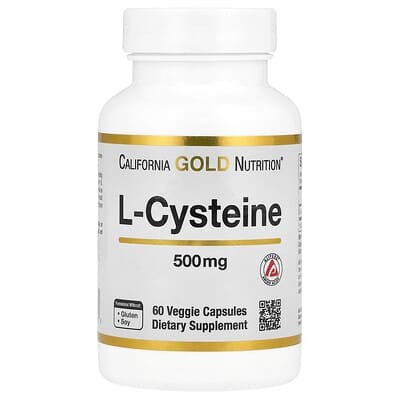
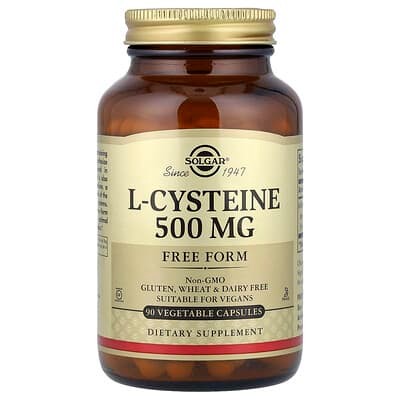
Cysteine

amino acid

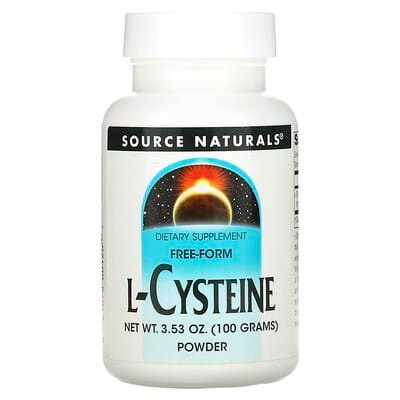
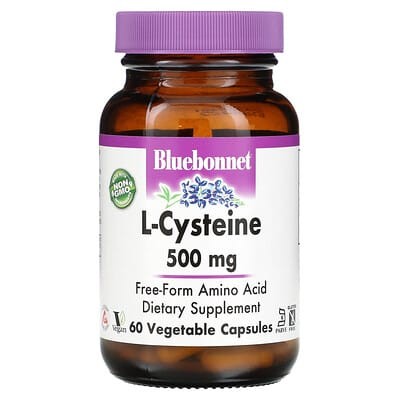
Cysteine is a sulfur-containing, semi-essential amino acid that the body can produce from methionine when enough folate and vitamin B12 are available. It can also be obtained from food. It serves as a fundamental building block for proteins and plays a role in maintaining cellular health and integrity. A primary function involves the synthesis of glutathione, an antioxidant that helps protect cells from oxidative stress and aids in the detoxification of various substances. It is also required for the production of taurine and coenzyme A. Due to its sulfur content, Cysteine supports the formation of keratin, which is essential for healthy skin, hair, and nails. This amino acid also supports immune system health, contributes to the regulation of blood sugar, and participates in the metabolism of certain neurotransmitters. Its role as a chelating agent suggests it may assist in binding and removing heavy metals, further supporting natural detoxification pathways.

Natural sources
Poultry (chicken, turkey)EggsBeefDairy products (milk, yogurt, cheese)Legumes (lentils, chickpeas)SoybeansSunflower seedsGarlicOnionsBroccoliBrussels sprouts

Ingredient forms

No public comparison lists found.

Optimal Dosage
Minimum500 mg
Maximum1500 mg
Safety & Toxicity
Toxicity Threshold7000 mg
Toxicity EffectCytotoxicity; nausea, vomiting, diarrhea
4 safety notes
  • Individuals with cystinuria should avoid Cysteine supplementation as it can worsen stone formation.
  • Pregnant or breastfeeding women should consult a healthcare professional before taking Cysteine supplements.
  • People with asthma should use caution, as Cysteine (especially NAC form) can rarely cause bronchospasm.
  • Large doses may interfere with blood clotting, so caution is advised for those with bleeding disorders or those undergoing surgery.
Goals
Anti-Aging
Impact
Moderate effect
Typical dose:600–1800 mg
Supplementing directly with glutathione is often inefficient due to poor absorption. Providing the building blocks is a more effective strategy. Cysteine is a rate-limiting precursor to glutathione synthesis, so supplementing with it directly supports the body's ability to produce its own powerful antioxidant protection, combating a primary driver of aging.

Study evidence

2 studies

The supplied evidence does not establish cysteine alone as an anti-aging supplement. A combination containing glycine and N-acetylcysteine improved some age-related measures in older adults, but those findings cannot be attributed to cysteine or interpreted as proof of longer life.

View goal
Studies

Research connections will load here.
Sources

Up to five highest-ranked published examples per goal. Study counts and charts include all published studies for the connection.

  1. Association of dietary sulfur amino acid intake with mortality from diabetes and other causes.
    Dong Z; Gao X; Chinchilli VM; Sinha R; Muscat J; Winkels R; Richie JP · European journal of nutrition · 2022
    Cohort study15,083 participantsAnti-Aging
  2. Supplementing Glycine and N-Acetylcysteine (GlyNAC) in Older Adults Improves Glutathione Deficiency, Oxidative Stress, Mitochondrial Dysfunction, Inflammation, Physical Function, and Aging Hallmarks: A Randomized Clinical Trial
    Premranjan Kumar, Chun Liu, James Suliburk, Jean W Hsu, Raja Muthupillai, Farook Jahoor, Charles G Minard, George E Taffet, Rajagopal V Sekhar · The journals of gerontology. Series A, Biological sciences and medical sciences · 2023
    Randomized trial36 participantsAnti-Aging