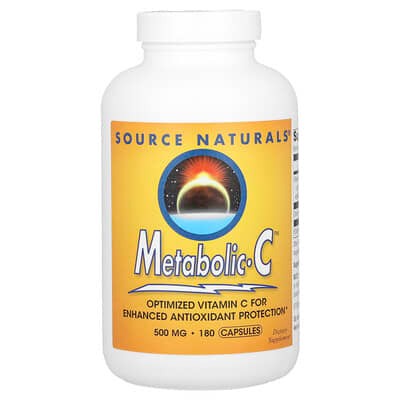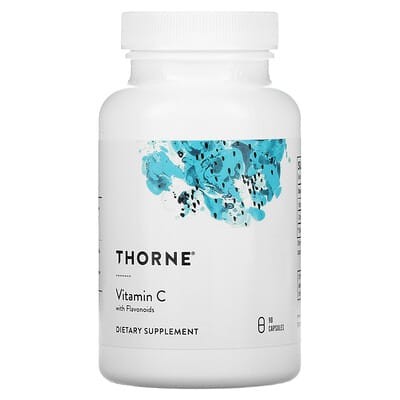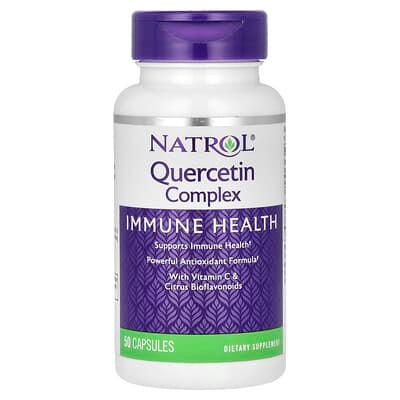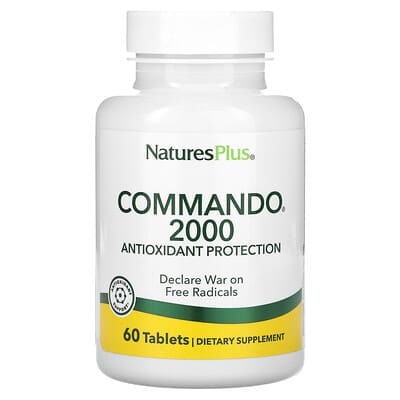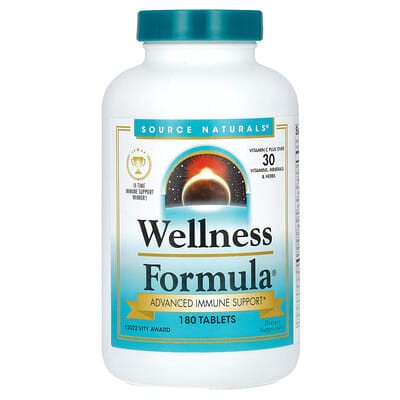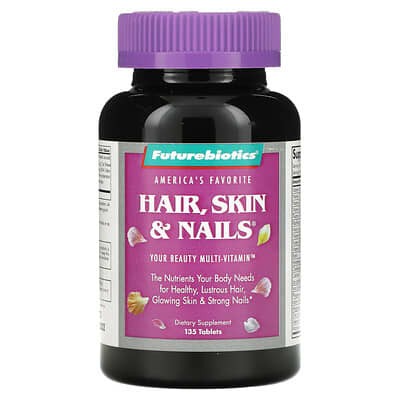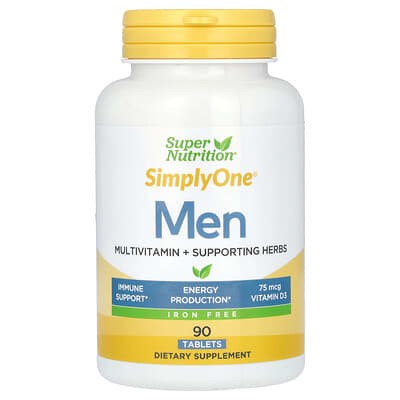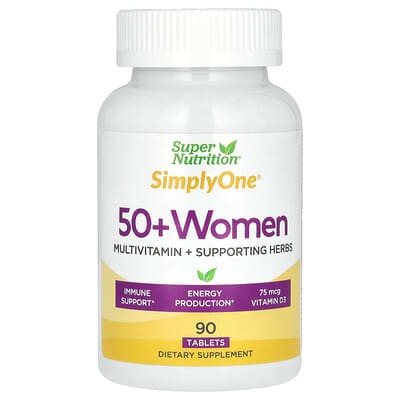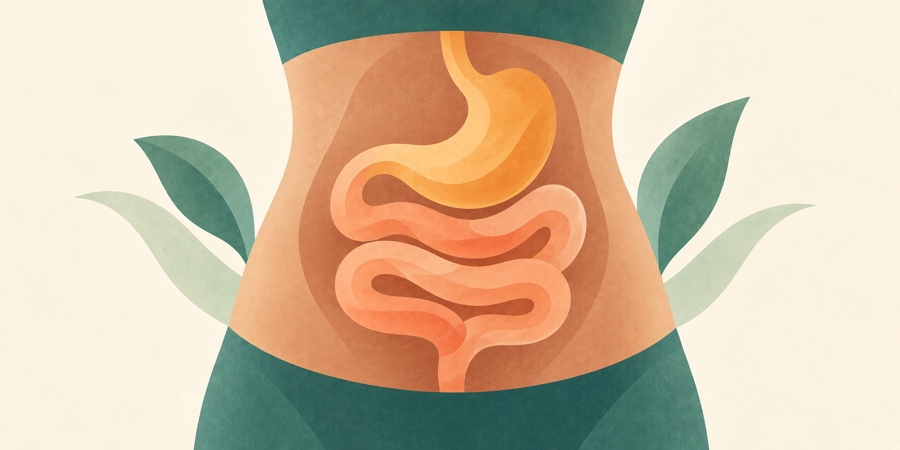
Flavonoids, such as quercetin, can reduce the release of histamine and other inflammatory mediators from mast cells in the gut, calming reactivity. They also reinforce tight junctions and reduce oxidative stress, contributing to a healthier gut barrier.
- Focuses on
- Most relevant for
- Individuals seeking to manage functional stomach discomfort or support a diverse and balanced gut microbiome through targeted plant bioactives.
Potential benefits
- Functional Dyspepsia Relief.Specific citrus-derived flavonoid preparations have been shown to significantly reduce core symptoms of functional dyspepsia, including postprandial fullness, early satiety, and upper abdominal pain.
- Beneficial Microbiome Shifts.Supplementing with flavonoids can increase the relative abundance of beneficial gut bacteria such as Bifidobacterium and promote the production of butyrate, a short-chain fatty acid vital for gut health.
- Intestinal Environment Support.Certain flavonoids may help modulate the gut environment by influencing microbial bile acid metabolism and reducing intestinal inflammatory markers.
Limitations
- Preparation Specificity.Clinical benefits for digestive comfort are often tied to specific standardized extracts; these outcomes may not apply to all flavonoid supplements or generic formulas.
- Individual Variability.The impact of flavonoids on the gut microbiome is highly dependent on an individual's baseline bacterial profile, body mass index, and age.
- Limited Preventive Evidence.Observational associations between flavonoid-rich diets and reduced risks for colorectal or liver conditions do not establish that flavonoid supplements can prevent these diseases.
Things to consider
Clinical benefits were primarily observed with specific standardized dosages; generic flavonoid supplements may not produce the same results. Mild digestive side effects were reported in some clinical trials.
Study evidence
9 studiesSome specific flavonoid preparations can relieve digestive symptoms, but flavonoids are a broad family with different effects. Evidence from gut-microbe changes and dietary associations does not establish that flavonoid supplements generally improve digestion or prevent digestive disease.