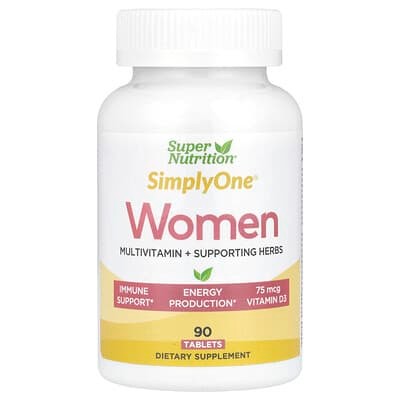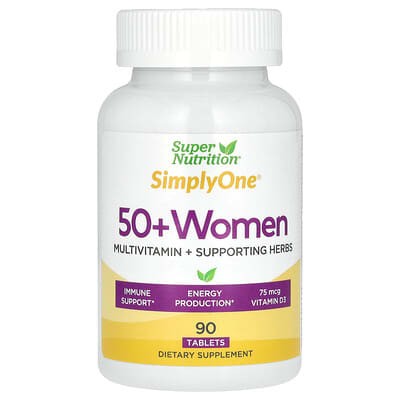


About this product
The formula is most relevant when several dietary gaps include a need for iron. Its 22 mg iron amount, folate and B12 support blood formation, while B vitamins help normal energy use; these nutritional roles do not establish extra alertness or productivity in well-nourished adults.
Vitamin D3 at 75 mcg adds bone-related nutrition, but calcium and magnesium remain small contributions. Zinc and copper amounts are both disclosed, while the citrate and oxide shares in the mineral mixtures are unknown; vitamin K is K1 and does not establish the same expectations as MK-7.
The botanical additions are harder to justify because blend details are incomplete and small ginkgo, tyrosine and carotenoid amounts add limited support for targeted benefits. Value is more convincing for core nutrients than for the small extras.
The 35 mg B6 serving is above the cited adult upper-limit reference and deserves attention before routine use. For women over 50, the iron amount also makes confirming an actual iron need important rather than choosing on age labeling alone.
Pros
Clearly states iron, folate and methylcobalamin amounts Both zinc and copper are quantified Several nutrient sources are named
Cons
Small calcium and magnesium amounts limit bone-mineral coverage Unknown mineral-source proportions complicate comparisons Blend details leave the herb contribution unclear Small botanical and choline amounts offer limited added value
Warnings
The 35 mg B6 serving exceeds the cited adult upper-limit reference; review total B6 before long-term use or adding another B-complex. The 22 mg iron contribution warrants checking whether iron is needed before combining it with another iron supplement. L-phenylalanine is listed at 90 mg; people with phenylketonuria need to account for it, and a PKU warning is not shown in the available details. A flushing warning is recorded for the 50 mg niacin listing, whose exact form is unclear.