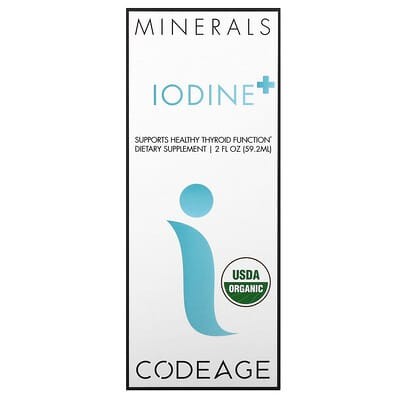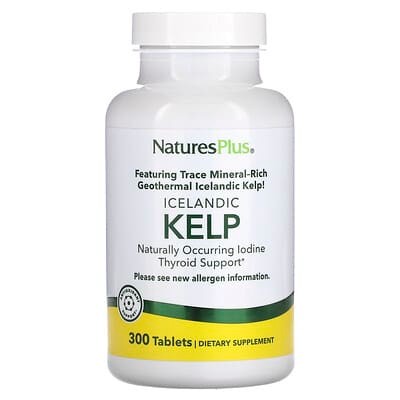
Iodine

mineral

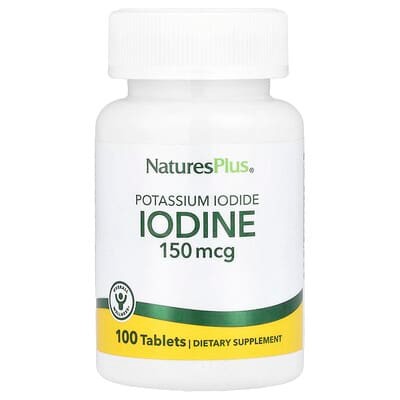
Iodine is an essential trace mineral needed to produce the thyroid hormones triiodothyronine (T3) and thyroxine (T4). These hormones regulate metabolism, energy production, body temperature, and the function of organs throughout the body. Iodine also supports growth and the development of the brain and nervous system, especially during fetal development and early childhood. It contributes to cognitive function, nerve transmission, and energy levels. Deficiency can impair cognitive function and cause goiter or hypothyroidism. Adequate iodine intake supports reproductive health and immune function as well as thyroid health. Getting enough through food or supplementation helps maintain these functions.

Natural sources
Seaweed (kelp, nori, kombu)Cod, tuna, and other fishShrimp and other seafoodDairy products (milk, yogurt, cheese)EggsIodized saltSome fruits and vegetables, depending on soil content

Ingredient forms

No public comparison lists found.

Timing & Intake
AnytimeWith foodTake with Food to minimize potential stomach upset.
Iodine can be taken at any time of day, though taking it with a meal may support better tolerance.
Daily Intake
RDA (Men)150 mcg
RDA (Women)150 mcg
RDI150 mcg
Optimal Dosage
Minimum150 mcg
Maximum300 mcg
Safety & Toxicity
Upper Limit (UL)1100 mcg
Toxicity Threshold2000 mcg
Toxicity EffectThyroid dysfunction
4 safety notes
  • Individuals with pre-existing thyroid conditions (e.g., Hashimoto's thyroiditis, Grave's disease, or iodine-induced goiter) should consult a healthcare professional before taking iodine supplements.
  • Excessive iodine intake can be harmful and may worsen or induce thyroid disorders.
  • Pregnant or breastfeeding women should use iodine supplements under medical supervision to ensure appropriate dosage.
  • Avoid high doses of iodine from supplements unless specifically directed by a healthcare provider.
Goals
Energy
Impact
Highest effect
Typical dose:150–300 mcg

The thyroid gland cannot produce T3 and T4 hormones without adequate iodine. These hormones control the speed of cellular processes throughout the body. An iodine deficiency can lead to hypothyroidism, a condition whose primary symptoms include severe fatigue, weight gain, and low energy.

Focuses on
Thyroid healthMetabolic regulationHormone synthesis
Most relevant for
Individuals looking to support metabolic function through essential thyroid hormone production.

Potential benefits

  • Thyroid Hormone Synthesis.Unconfirmed. Iodine is a necessary component for the production of thyroid hormones that regulate the body's metabolic rate, though direct evidence for energy improvement from supplementation is unproven.

Limitations

  • No Direct Energy Evidence.Supplied research focuses on radioactive iodine for cancer treatment, which was associated with increased fatigue rather than energy gains from dietary iodine.
  • Clinical Population Constraint.The findings regarding fatigue and energy loss are specific to thyroid cancer survivors and cannot be generalized to the use of iodine supplements by the general public.

Study evidence

3 studies

The supplied evidence does not establish that Iodine supplements improve energy. It concerns radioactive iodine treatment after thyroid cancer surgery, where lower energy or greater fatigue was observed; those findings cannot be applied to ordinary dietary iodine or oral supplements.

View goal

Weight Loss
Impact
Highest effect
Typical dose:75–250 mcg

The thyroid gland cannot produce its hormones (T3 and T4) without adequate iodine. A deficiency, even a mild one, directly leads to a sluggish metabolism, making it significantly harder to lose weight. Ensuring sufficient intake is foundational for an efficient metabolism.

Focuses on
Thyroid hormone synthesisMetabolic rate regulationMicronutrient sufficiency
Most relevant for
Individuals seeking to maintain metabolic health by meeting essential nutrient requirements for thyroid function.

Potential benefits

  • Thyroid Metabolic Support.Unconfirmed. Iodine is a necessary building block for thyroid hormones that regulate resting metabolic rate, though its ability to promote active weight loss is unproven and requires further study.

Limitations

  • No Clinical Weight Loss Evidence.Supplied research consists of observational surveys rather than clinical trials, meaning iodine has not been proven to cause weight loss or improve weight management outcomes.
  • Mixed Observational Data.Studies show conflicting associations, with some reporting higher iodine intake in individuals with larger body sizes and others linking deficiency to higher body mass index.
  • Status-Dependent Relevance.Any potential metabolic benefit is likely limited to correcting a deficiency; there is no evidence that extra iodine benefits weight loss in those with already adequate intake.
Things to consider

Excessive iodine intake can disrupt thyroid function; it is important to assess current dietary intake from salt and seafood before starting supplements.

Study evidence

3 studies

The supplied research does not show that Iodine supplements cause weight loss. It describes iodine status and body size in population surveys, with differing associations that cannot establish whether changing iodine intake changes body weight or improves weight management.

View goal
Hair Health
Impact
Situational effect
Typical dose:150–500 mcg

The thyroid gland requires iodine to produce hormones T3 and T4, which directly regulate the hair growth cycle. A deficiency can lead to hypothyroidism, a well-established cause of diffuse hair loss. Supplementation is critical for individuals with deficiency or related thyroid issues.

Focuses on
Thyroid hormone regulationHair growth cycle supportDeficiency-related hair loss
Most relevant for
Individuals experiencing hair thinning or loss specifically related to a diagnosed iodine deficiency or associated thyroid dysfunction.

Potential benefits

  • Support for Thyroid-Regulated Growth.Unconfirmed. Iodine is required for the production of thyroid hormones that regulate hair follicles, though direct evidence that supplementation improves hair health is currently unproven.
  • Addressing Deficiency-Related Loss.Unconfirmed. Iodine supplementation may help mitigate diffuse hair loss in cases where an underlying deficiency is impairing normal thyroid function.

Limitations

  • No Direct Association Found.Observational research comparing dietary intake in people with and without hair loss found no independent link between iodine levels and alopecia.
  • Lack of Supplementation Trials.There are no clinical trials confirming that taking iodine supplements promotes hair regrowth or improves hair quality in the general population.
  • Restricted Applicability.Potential benefits are likely limited to correcting a deficiency; there is no evidence that additional iodine benefits those with normal thyroid levels.
Things to consider

Excessive iodine intake can disrupt thyroid function and may potentially worsen hair loss or cause other adverse health effects.

Study evidence

1 study

The supplied evidence does not show that iodine intake improves hair health or prevents hair loss. Dietary research in people with diffuse hair loss found no independent association with iodine, and it did not test whether iodine supplementation promotes regrowth.

View goal
Mental Focus
Impact
Situational effect
Typical dose:150–300 mcg

The thyroid gland controls the body's metabolic rate, and the brain is a highly metabolic organ. Iodine deficiency leads to hypothyroidism, a common cause of severe brain fog, poor memory, and an inability to concentrate. Ensuring adequate iodine is foundational for mental energy and clarity.

Focuses on
Thyroid hormone synthesisInformation processingPerceptual reasoningBrain metabolism supportCognitive development
Most relevant for
Individuals with iodine deficiency or those seeking to maintain baseline thyroid-driven cognitive function.

Potential benefits

  • Improving Cognitive Performance.Replenishing iodine in deficient populations has been shown to improve specific cognitive functions, such as information processing and perceptual reasoning.
  • Supporting Brain Development.Adequate iodine is essential for the production of thyroid hormones necessary for normal brain development and long-term cognitive health.
  • Brain Metabolism Support.Unconfirmed. Iodine supports thyroid hormones that regulate brain energy levels; however, its ability to enhance mental focus in healthy, non-deficient adults is unproven.

Limitations

  • Effect Depends on Baseline.Cognitive benefits are primarily observed when correcting a deficiency; there is no evidence that extra iodine enhances focus in adults with adequate status.
  • Mixed Cognitive Evidence.Iodine repletion does not consistently improve all mental areas; trials often show no effect on memory, motor skills, or executive function.
  • Maternal Status Uncertainty.While deficiency is harmful, research on whether maternal supplementation improves childhood neurodevelopment is mixed, with some trials showing no cognitive benefit.
Things to consider

Excessive iodine intake may be counterproductive and has been associated with lower cognitive scores in children in some observational research.

Study evidence

17 studies

Iodine supports brain development, and correcting deficiency can improve some cognitive abilities in children. The available research does not establish better mental focus from extra Iodine in adequately nourished adults, while both low and excessive iodine status have been associated with poorer childhood cognition.

View goal
Metabolism Boost
Impact
Situational effect
Typical dose:150–300 mcg

The thyroid gland cannot produce its hormones without adequate iodine. In cases of insufficiency, thyroid function slows, directly reducing metabolic rate. For individuals with low iodine intake, this supplement is crucial for restoring normal metabolic function.

Focuses on
Thyroid hormone synthesisMetabolic rate regulationLipid metabolismIodine repletionThyroid function support
Most relevant for
Individuals with inadequate dietary iodine intake seeking to restore or maintain normal thyroid-driven metabolic function.

Potential benefits

  • Thyroid Hormone Synthesis.Iodine is an essential building block for T3 and T4 hormones, which serve as the primary regulators of the body's metabolic rate.
  • Metabolic Restoration.In cases of deficiency, iodine supplementation helps normalize thyroid function, which is necessary for maintaining a healthy metabolic rate.
  • Lipid Metabolism Support.Correcting iodine deficiency has been shown to help lower elevated total cholesterol and improve lipid profiles in overweight individuals.

Limitations

  • Ceiling Effect.There is no evidence that extra iodine provides a metabolism boost or changes thyroid hormone levels in individuals who already have adequate intake.
  • Nutritional Cofactors.The effectiveness of iodine for thyroid health can be significantly limited by concurrent deficiencies in other nutrients like iron or selenium.
  • U-Shaped Benefit.Both insufficient and excessive iodine levels are associated with thyroid dysfunction and metabolic disturbances.
Things to consider

Excessive iodine intake can disrupt thyroid function and has been linked to adverse outcomes in pregnancy; intake should be monitored to stay within safe ranges.

Study evidence

17 studies

Iodine is needed for thyroid hormones that regulate metabolism, and correcting deficiency can improve some thyroid and cholesterol measures. The supplied evidence does not show that extra Iodine boosts metabolism when intake is adequate; excess can also disturb thyroid function.

View goal

Studies

Research connections will load here.
Sources

Up to five highest-ranked published examples per goal. Study counts and charts include all published studies for the connection.

  1. Association of radioactive iodine treatment with survivorship symptoms and primary care utilisation in women of reproductive age with thyroid cancer: a retrospective cohort study.
    Devanarayan P; Hartman M; Partin M · Family medicine and community health · 2026
    Cohort study10,882 participantsEnergy
  2. Energy level and fatigue after surgery for thyroid cancer: A population-based study of patient-reported outcomes.
    Hughes DT; Reyes-Gastelum D; Kovatch KJ; Hamilton AS; Ward KC; Haymart MR · Surgery · 2020
    Cohort study2,584 participantsEnergy
  3. Health-Related Quality of Life in Differentiated Thyroid Cancer Survivors: A Cross-Sectional Study From Turkey.
    Gültekin A; Kahraman MY; Şengöz T; Şimşek FS · Head & neck · 2026
    Cross-sectional study202 participantsEnergy
  4. Iodine deficiency among Belgian pregnant women not fully corrected by iodine-containing multivitamins: a national cross-sectional survey.
    Vandevijvere S; Amsalkhir S; Mourri AB; Van Oyen H; Moreno-Reyes R · The British journal of nutrition · 2013
    Cross-sectional study1,311 participantsWeight Loss
  5. Iodine Intake Estimated by 24 h Urine Collection in the Italian Adult Population: 2008-2012 Survey.
    Iacone R; Iaccarino Idelson P; Formisano P; Russo O; Lo Noce C; Donfrancesco C; Macchia PE; Palmieri L; Galeone D; di Lenarda A; Giampaoli S; Strazzullo P · Nutrients · 2021
    Cross-sectional study2,378 participantsWeight Loss
  6. Iodine intake in adults: Sociodemographic and dietary determinants from a National Health survey.
    Durán-Agüero S; Daga R · Clinical nutrition ESPEN · 2026
    Cross-sectional study1,230 participantsWeight Loss
  7. [Evaluation of the role of dietary intake in the occurrence of alopecia].
    El Fékih N; Kamoun H; Fazaa B; El Ati J; Zouari B; Kamoun MR; Gaigi S · Revue medicale de Liege · 2010
    Case-control study272 participantsHair Health
  8. Iodine supplementation improves cognition in iodine-deficient schoolchildren in Albania: a randomized, controlled, double-blind study.
    Zimmermann MB; Connolly K; Bozo M; Bridson J; Rohner F; Grimci L · The American journal of clinical nutrition · 2006
    Randomized trial310 participantsMental Focus
  9. Iodine intake from supplements and diet during pregnancy and child cognitive and motor development: the INMA Mother and Child Cohort Study.
    Murcia M; Espada M; Julvez J; Llop S; Lopez-Espinosa MJ; Vioque J; Basterrechea M; Riaño I; González L; Alvarez-Pedrerol M; Tardón A; Ibarluzea J; Rebagliato M · Journal of epidemiology and community health · 2019
    Cohort study1,803 participantsMental Focus
  10. Breastfeeding and maternal and infant iodine nutrition.
    Azizi F; Smyth P · Clinical endocrinology · 2009
    Systematic review36 studies pooledMental Focus
  11. Preconception Maternal Iodine Status Is Positively Associated with IQ but Not with Measures of Executive Function in Childhood.
    Robinson SM; Crozier SR; Miles EA; Gale CR; Calder PC; Cooper C; Inskip HM; Godfrey KM · The Journal of nutrition · 2019
    Cohort study654 participantsMental Focus
  12. Iodine deficiency: consequences and progress toward elimination.
    Maberly GF; Haxton DP; van der Haar F · Food and nutrition bulletin · 2006
    Narrative reviewMental Focus
  13. Iodine Supplementation Decreases Hypercholesterolemia in Iodine-Deficient, Overweight Women: A Randomized Controlled Trial.
    Herter-Aeberli I; Cherkaoui M; El Ansari N; Rohner R; Stinca S; Chabaa L; von Eckardstein A; Aboussad A; Zimmermann MB · The Journal of nutrition · 2015
    Randomized trial163 participantsMetabolism Boost
  14. Effect of oral iodized oil on thyroid size and thyroid hormone metabolism in children with concurrent selenium and iodine deficiency.
    Zimmermann MB; Adou P; Torresani T; Zeder C; Hurrell RF · European journal of clinical nutrition · 2000
    Single-arm trial51 participantsMetabolism Boost
  15. Serum Iodine Concentration as a Biomarker for Individual Iodine Nutrition and Thyroid Function in Pregnant Women: A Cross-Sectional Study in Hubei Province.
    Xu M; Dai X; Wang Z; Guo C; Zhang B; Guo H · Public health nutrition · 2026
    Cross-sectional study1,197 participantsMetabolism Boost
  16. Iron status influences the efficacy of iodine prophylaxis in goitrous children in Côte d'Ivoire.
    Zimmermann MB · International journal for vitamin and nutrition research. Internationale Zeitschrift fur Vitamin- und Ernahrungsforschung. Journal international de vitaminologie et de nutrition · 2002
    OtherMetabolism Boost
  17. Persistence of goiter despite oral iodine supplementation in goitrous children with iron deficiency anemia in Côte d'Ivoire.
    Zimmermann M; Adou P; Torresani T; Zeder C; Hurrell R · The American journal of clinical nutrition · 2000
    Non-randomized trial109 participantsMetabolism Boost