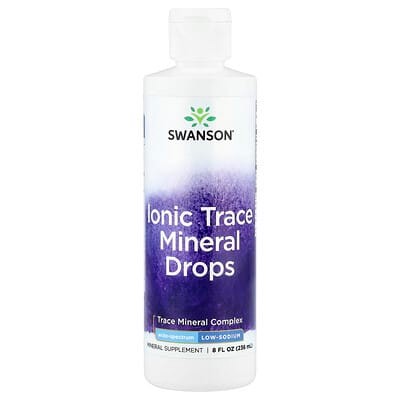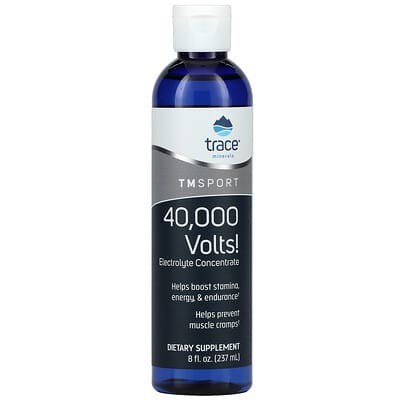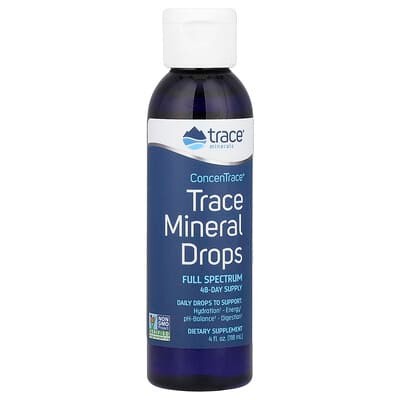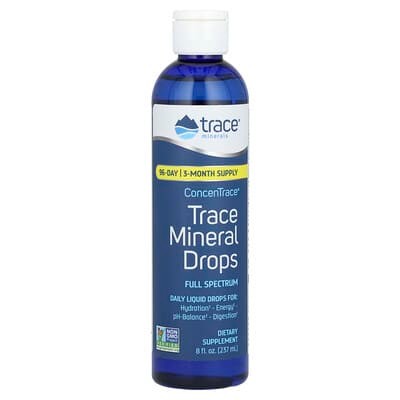
Impact
High effect
Typical dose:1500–6000 mg
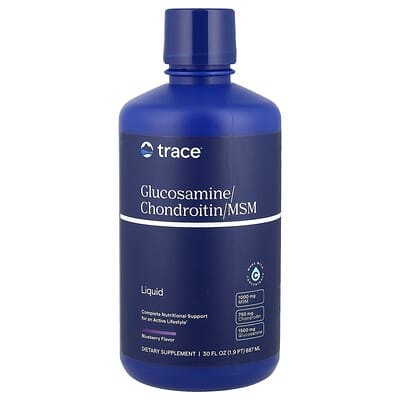
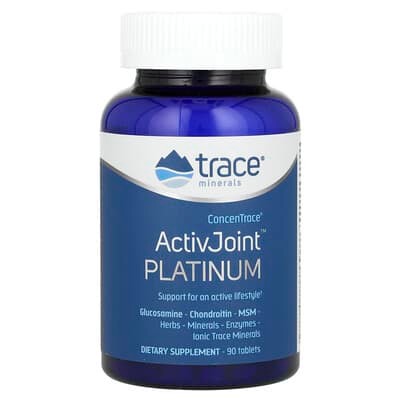
Often supplemented as MSM (Methylsulfonylmethane), sulfur is essential for the integrity of glycosaminoglycans like chondroitin and glucosamine. It helps maintain the structural framework of cartilage and has been clinically shown to reduce joint pain, stiffness, and inflammation.
- Focuses on
- Most relevant for
- Individuals with existing joint discomfort or stiffness, particularly those diagnosed with knee or hip osteoarthritis.
Potential benefits
- Symptom Management.Oral MSM, a common sulfur source, has shown potential in reducing pain and improving physical function in people with knee osteoarthritis, though effects are often modest.
- Combination Support.When added to glucosamine and chondroitin, sulfur may provide better relief for knee stiffness and function than those supplements used alone.
- Cartilage Maintenance.Unconfirmed. While sulfur is a structural component of joint tissue, clinical evidence that oral supplements actively build or preserve cartilage in humans is currently unproven.
Limitations
- Inconsistent Efficacy.Research results are mixed; some studies found sulfur improved physical function but failed to significantly reduce pain compared to a placebo.
- No Preventative Benefit.Supplementation did not prevent knee pain or improve mood in healthy individuals undergoing high-impact military training.
- Weak External Evidence.Benefits from sulfur-rich baths and spa treatments are supported by low-quality evidence and may not translate to oral supplement use.
Things to consider
Clinical improvements, when they occur, may take up to 12 weeks of consistent use to become noticeable.
Study evidence
9 studiesSome sulfur-containing treatments, particularly oral MSM, may modestly improve pain or function in people with knee problems, but results are inconsistent. Evidence from MSM, combination supplements, and sulfur baths does not establish that sulfur supplements broadly protect joints or prevent pain.
View goal