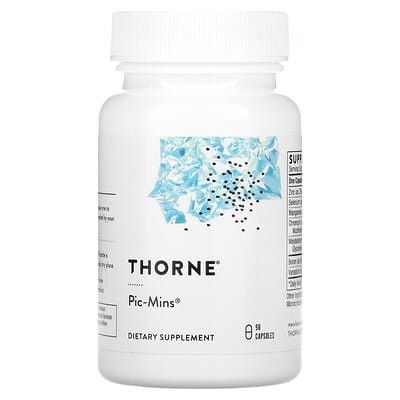
Vanadium

mineral

Vanadium is a trace element naturally present in the environment and in small amounts in the human body. Research often focuses on its insulin-mimetic properties, suggesting it may help support healthy blood sugar management by influencing how the body responds to insulin. Proposed mechanisms involve its effect on enzyme systems that regulate carbohydrate and lipid metabolism. It may interact with insulin signaling pathways to support glucose uptake by cells, potentially by prolonging the activity of insulin receptors. While vanadium may have other minor biological roles, these are less understood. Because the difference between beneficial levels and potential toxicity is narrow, careful attention to dosing is important for safety.

Natural sources
ShellfishMushroomsBlack pepperParsleyDillGrainsSoybeansGreen beansCarrotsPotatoes

Ingredient forms

No public comparison lists found.

Timing & Intake
AnytimeWith food
Taking vanadium with food is generally recommended to help minimize the potential for gastrointestinal upset.
Optimal Dosage
Minimum10 mcg
Maximum100 mcg
Safety & Toxicity
Toxicity Threshold1800 mcg
Toxicity EffectKidney damage
4 safety notes
  • Not recommended for long-term use without medical supervision.
  • Individuals with diabetes or blood sugar imbalances should consult a healthcare professional before taking vanadium, as it may interact with blood sugar-lowering medications.
  • Pregnant or breastfeeding women should avoid vanadium due to insufficient safety data.
  • High doses can be toxic and may lead to kidney damage, liver damage, and neurological issues.
Goals
Energy
Impact
Limited evidence
Typical dose:0.5–2 mg

Vanadium has insulin-mimetic properties and is studied for its potential in blood sugar regulation. However, for the general population seeking an energy boost, there is insufficient evidence to support its use, and supplementation is not standard practice.

Focuses on
Glucose metabolismMetabolic health
Most relevant for
Vanadium is not currently recommended as a supplement for boosting energy or reducing fatigue.

Potential benefits

  • Metabolic support.Unconfirmed. Vanadium is studied for its potential role in glucose metabolism, which could theoretically influence energy, but this benefit is unproven for energy enhancement.

Limitations

  • No proven energy benefit.Clinical evidence is lacking to show that oral vanadium supplementation increases energy, alertness, or physical performance in humans.
  • Associated with fatigue.Observational research on workplace and environmental exposure links higher vanadium levels to increased fatigue and mood alterations.
  • Uncertain safety profile.Current studies focus on toxic environmental exposure rather than the long-term safety and efficacy of dietary supplements.
Things to consider

Occupational or environmental exposure to vanadium has been linked to increased fatigue, mood changes, and impaired cognitive performance.

Study evidence

2 studies

The supplied evidence does not support vanadium supplements for increasing energy. It links workplace or air-pollution exposure to greater fatigue, but these observational findings cannot establish causation or determine the effects of ordinary oral vanadium supplementation.

View goal

Metabolism Boost
Impact
Limited evidence
Typical dose:0.5–2 mg

While Vanadium can mimic insulin's effects, the dosages needed to achieve this often approach toxic levels, creating an unfavorable risk-benefit profile. Its use is not recommended for general metabolic support due to potential adverse effects.

Focuses on
Glucose metabolismInsulin sensitivityGlycemic controlHepatic glucose regulation
Most relevant for
Individuals with specific glucose metabolism concerns, though safety risks significantly limit its practical use for general metabolic support.

Potential benefits

  • Glucose Regulation Support.Unconfirmed. Vanadium may mimic insulin action to help lower fasting blood sugar and reduce hepatic glucose production in people with type 2 diabetes, though this is not a general metabolic stimulant effect.
  • Insulin Sensitivity Influence.Unconfirmed. Some evidence suggests specific compounds like vanadyl sulfate may improve how muscle and liver tissues respond to insulin, but the goal of boosting overall metabolic rate remains unproven.

Limitations

  • Population Specificity.Research is primarily limited to individuals with type 2 diabetes; studies in those with impaired glucose tolerance showed no improvement in insulin sensitivity.
  • Adverse Lipid Changes.Clinical trials have noted unfavorable changes in blood fats, including significant increases in triglycerides and decreases in beneficial HDL cholesterol.
  • Narrow Therapeutic Window.The dosages required to influence metabolism are often close to toxic levels, creating a high risk of adverse effects compared to potential benefits.
Things to consider

Common side effects include gastrointestinal distress such as nausea and diarrhea. Due to potential toxicity and the risk of affecting blood lipid levels, it should not be used without strict medical supervision.

Study evidence

7 studies

Vanadium compounds have shown inconsistent effects on blood sugar and insulin sensitivity, mainly in people with diabetes. This does not establish a general metabolism boost, and gastrointestinal side effects, unfavorable blood-fat changes and uncertain longer-term safety limit the findings.

View goal

Studies

Research connections will load here.
Sources

Up to five highest-ranked published examples per goal. Study counts and charts include all published studies for the connection.

  1. Vanadium exposure-induced neurobehavioral alterations among Chinese workers.
    Li H; Zhou D; Zhang Q; Feng C; Zheng W; He K; Lan Y · Neurotoxicology · 2014
    Cross-sectional study714 participantsEnergy
  2. A cross-sectional analysis of air pollution in primary schools and children fatigue.
    Taminskiene V; Prokopciuk N; Karvelyte V; Vaitkaitiene E; Butikis M; Valiulis A; Sapronaite V; Talmontaite G; Megelinskiene G; Sceliokiene K; Stukas R; Valiulis A · Frontiers in public health · 2025
    Cross-sectional study547 participantsEnergy
  3. Insulin Receptor Substrates Regulation and Clinical Responses Following Vanadium-Enriched Yeast Supplementation in Obese Type 2 Diabetic Patients: a Randomized, Double-Blind, Placebo-Controlled Clinical Trial.
    Ghalichi F; Saghafi-Asl M; Kafil B; Faghfouri AH; Jourshari MR; Naserkiadeh AA; Ostadrahimi A · Biological trace element research · 2023
    Randomized trial44 participantsMetabolism Boost
  4. Insulin signal mimicry as a mechanism for the insulin-like effects of vanadium.
    Mehdi MZ; Pandey SK; Théberge JF; Srivastava AK · Cell biochemistry and biophysics · 2006
    Narrative reviewMetabolism Boost
  5. Metabolic effects of vanadyl sulfate in humans with non-insulin-dependent diabetes mellitus: in vivo and in vitro studies.
    Goldfine AB; Patti ME; Zuberi L; Goldstein BJ; LeBlanc R; Landaker EJ; Jiang ZY; Willsky GR; Kahn CR · Metabolism: clinical and experimental · 2000
    Clinical trial16 participantsMetabolism Boost
  6. Vanadyl sulfate improves hepatic and muscle insulin sensitivity in type 2 diabetes.
    Cusi K; Cukier S; DeFronzo RA; Torres M; Puchulu FM; Redondo JC · The Journal of clinical endocrinology and metabolism · 2001
    Single-arm trial11 participantsMetabolism Boost
  7. Effect of vanadium on insulin sensitivity in patients with impaired glucose tolerance.
    Jacques-Camarena O; González-Ortiz M; Martínez-Abundis E; López-Madrueño JF; Medina-Santillán R · Annals of nutrition & metabolism · 2009
    Randomized trial14 participantsMetabolism Boost