Apigenin

non-nutrient_non-botanical

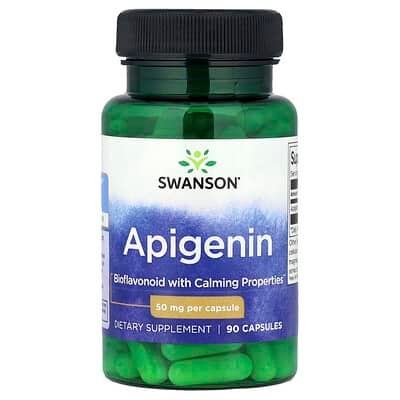
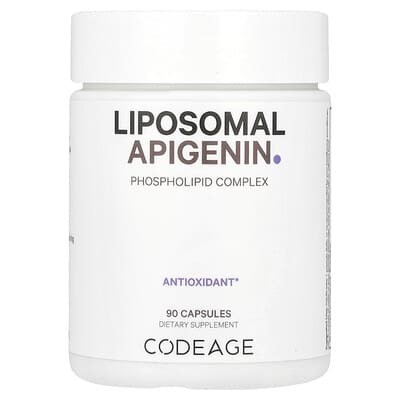
Apigenin is a bioactive plant flavonoid found in various fruits, vegetables, and herbs, most notably in parsley and chamomile. As a member of the flavone subclass, its distinct chemical structure allows it to interact with diverse cellular pathways. Such interactions support its biological activities, which include antioxidant and anti-inflammatory properties along with potential anticancer effects. Research indicates that apigenin operates through several mechanisms, such as modulating enzyme activities and inhibiting inflammatory signaling pathways like NF-κB. These processes are fundamental to its ability to help manage oxidative stress, reduce inflammation, and potentially protect tissues and organs, including the brain. Apigenin is frequently included in dietary supplements for its potential role in supporting cognitive function and cardiovascular health. Its potential roles also include relaxation and protection of cellular integrity against damage and dysfunction.

Natural sources
ParsleyChamomileCelerySpinachArtichokesOrangesSpearmintBasilOreganoCoriander

No public comparison lists found.

Optimal Dosage
Minimum10 mg
Maximum50 mg
Safety & Toxicity
Toxicity Threshold50 mg
Toxicity EffectStomach irritation, nausea
4 safety notes
  • Pregnant or nursing women should consult a healthcare professional before use.
  • Individuals with bleeding disorders or those scheduled for surgery should exercise caution due to potential mild antiplatelet effects.
  • May enhance the effects of sedatives; use with caution if taking other substances that cause drowsiness.
  • Consult a healthcare professional if you have underlying health conditions or are taking medications.
Goals
Anti-Aging
Impact
Moderate effect
Typical dose:50–200 mg
Apigenin has been shown to inhibit the enzyme CD38, which is a primary consumer of NAD+, thereby helping to preserve NAD+ levels essential for mitochondrial function and DNA repair. It also shows promise in helping the body clear senescent 'zombie' cells that contribute to aging. Additionally, it binds to GABA receptors in the brain, promoting relaxation and deeper sleep.

Study evidence

3 studies

Apigenin has promising links to healthy aging, but the evidence concerns dietary associations and a skin cream. It does not establish that taking an apigenin supplement slows biological aging, extends life, or produces the skin benefits seen with topical use.

View goal

Sleep Support
Impact
Moderate effect
Typical dose:50–200 mg
Apigenin is found in chamomile and other plants. Laboratory and animal findings, or studies of whole chamomile extracts, cannot establish the sleep benefits or safety of isolated apigenin supplements. Direct human evidence is needed to determine effective doses, sleep benefits, and long-term safety.

Study evidence

No published studies for this goal yet.

View goal
Anti-Inflammatory Support
Impact
Situational effect
Typical dose:50–200 mg
Apigenin is a natural compound found in plants like chamomile that modulates the body's inflammatory response at a molecular level. It helps downregulate the production of inflammatory cytokines and enzymes, making it a valuable situational tool for managing chronic, low-grade inflammation.

Study evidence

1 study

The available research does not establish that Apigenin reduces inflammation. It examines dietary flavonoids in women, with no clear relationship between overall flavonoid intake and inflammatory markers, rather than directly testing Apigenin supplements or their effects on inflammation.

View goal
Stress Relief
Impact
Situational effect
Typical dose:25–100 mg
Apigenin acts as a mild sedative by binding to specific receptors in the brain (benzodiazepine receptors), which reduces anxiety without the side effects of stronger medications. It is particularly effective for unwinding from stress in the evening.

Study evidence

2 studies

Apigenin has an indirect connection with stress relief: higher dietary intake has been associated with less anxiety, and chamomile extract has shown modest anxiety benefits. These findings do not establish that apigenin supplements themselves reduce stress or anxiety.

View goal

Studies

Research connections will load here.
Interactions

Positive Interactions

Vitamin C
May enhance overall antioxidant capacity due to synergistic effects with Apigenin.
Vitamin E
May contribute to a stronger antioxidant defense system when combined with Apigenin.
Selenium
May provide synergistic antioxidant protection alongside Apigenin.
Turmeric
Apigenin and Curcumin (from Turmeric) both possess anti-inflammatory and antioxidant properties, potentially leading to enhanced effects.
Curcumin
Apigenin and Curcumin both possess anti-inflammatory and antioxidant properties, potentially leading to enhanced effects.
Green Tea
May offer synergistic antioxidant benefits as both contain various flavonoids.
Coenzyme Q-10
May provide enhanced antioxidant and cellular energy support in conjunction with Apigenin.
Astaxanthin
May amplify antioxidant protection due to complementary mechanisms of action.
Lycopene
May contribute to stronger antioxidant effects, particularly against lipid peroxidation.
Gluthathione
May support the body's natural antioxidant system through synergistic action.
Glutathione
May support the body's natural antioxidant system through synergistic action.
Rutin
As both are flavonoids, they may exert synergistic antioxidant and anti-inflammatory benefits.
Resveratrol
Both Apigenin and Resveratrol are polyphenols with overlapping antioxidant and anti-inflammatory properties, potentially enhancing their overall effects.
Bacopa
May enhance neuroprotective and cognitive support benefits.
Ashwagandha
May offer complementary adaptogenic and anti-inflammatory benefits.
Ginkgo
May enhance neuroprotective and antioxidant support for brain health.
Melatonin
May complement Melatonin's effects in promoting relaxation and sleep due to Apigenin's presence in chamomile.
Sources

Up to five highest-ranked published examples per goal. Study counts and charts include all published studies for the connection.

  1. Associations of dietary flavones, particularly apigenin and luteolin, with phenotypic age acceleration: A cross-sectional study using NHANES data.
    Wang X; Liu C; Li G; Tian S; Peng W; Liu P · Medicine · 2025
    Cross-sectional study10,789 participantsAnti-Aging
  2. Interpretable machine learning with SHAP analysis identifies redox-modulating dietary antioxidants for predicting accelerated biological aging.
    Zhang B; Zhang X; Ma L; Li D; Li Y; Lin S; Peng L; He L · Experimental gerontology · 2026
    Cross-sectional study8,125 participantsAnti-Aging
  3. Apigenin inhibits UVA-induced cytotoxicity in vitro and prevents signs of skin aging in vivo
    Sungjin Choi, Jeungyeun Youn, Karam Kim, Da Hye Joo, Shanghun Shin, Jeongju Lee, Hyun Kyung Lee, In-Sook An, Seungbin Kwon, Hae Jeong Youn, Kyu Joong Ahn, Sungkwan An, Hwa Jun Cha · International journal of molecular medicine · 2016
    Randomized trial40 participantsAnti-Aging
  4. Associations of dietary flavonoids with risk of type 2 diabetes, and markers of insulin resistance and systemic inflammation in women: a prospective study and cross-sectional analysis.
    Song Y; Manson JE; Buring JE; Sesso HD; Liu S · Journal of the American College of Nutrition · 2005
    Cohort study38,018 participantsAnti-Inflammatory Support
  5. Association between dietary flavonoid intake and anxiety: data from NHANES 2017-2018.
    Jin L; Wu L; Zhu G; Yang L; Zhao D; He J; Zhang Y · BMC public health · 2025
    Observational study1,637 participantsStress Relief
  6. A randomized, double-blind, placebo-controlled trial of oral Matricaria recutita (chamomile) extract therapy for generalized anxiety disorder
    Jay D Amsterdam, Yimei Li, Irene Soeller, Kenneth Rockwell, Jun James Mao, Justine Shults · Journal of clinical psychopharmacology · 2009
    Randomized trial57 participantsStress Relief