No linked studies yet.
Product analysis
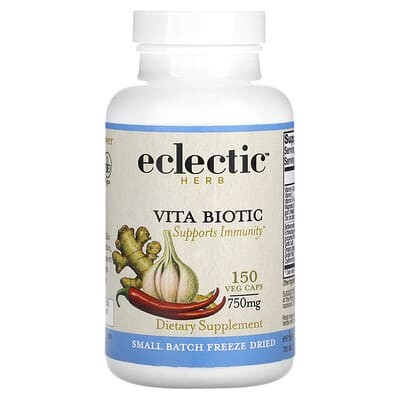
Vita Biotic 750 mg provides nutrients that support normal immune function and skin health, particularly when intake is inadequate. Its cost is high for the vitamin C supplied, which may matter if that is your main reason for buying it.
AI assessment of the formula, label and price. How scoring works
Nutrient Quality41
Vitamin B6 is clearly identified, while the relative quality of much of the remaining mixture is uncertain. Unspecified forms and differing plant declarations limit detailed comparisons.
Ingredient Transparency72
All listed amounts and most forms are disclosed. The relative makeup of the combined echinacea ingredient is missing, and some repeated plant amounts cannot be combined reliably.
Value For Money33
The serving is expensive for its vitamin C content and offers limited value for B6. Value for much of the remaining mixture remains uncertain.
Customer Satisfaction72
Customer ratings are very positive. The relatively small review base gives a limited picture of satisfaction.
Product Focus66
The main purpose is nutritional support for normal immune function, skin and general health. The roles are most relevant when intake is low, without establishing extra benefits from larger amounts once needs are met.

- Format
Capsule - Container
- 150 Capsule(s)
- Per serving
- $0.82
- Customer rating
- 4.7 · 144 ratings
Goals
Vitamin A contributes to normal immune function and protective barriers. Zinc contribute to normal immune nutrition when intake is low. Vitamin B6 can help address dietary gaps that impair immune-cell function. Regular vitamin C supplementation may modestly shorten colds, without establishing infection prevention or treatment of an established cold. These nutrient roles do not establish extra immune benefit when intake is adequate.
How this product is rated for Immunity
Ingredient fit69
Goal fit
Dose adequacy
Pathways100
Depth
Breadth
Evidence100
Evidence strength
Studied preparation
Formulation logic100
Partner coverage
Conflicts
Effective doses
Vitamin B6, vitamin C and zinc provide nutrients that can help fill dietary gaps. Their contribution to general health concerns ordinary nutritional needs, rather than extra energy or enhanced immunity in people whose intake is already adequate. Magnesium is present in only a small amount in this serving and makes little contribution to the saved findings.

How this product is rated for Everyday Health
Ingredient fit60
Goal fit
Dose adequacy
Pathways65
Depth
Breadth
Evidence74
Evidence strength
Studied preparation
Formulation logic100
Partner coverage
Conflicts
Effective doses
Vitamin C supports collagen formation, and zinc and vitamin B6 support normal skin when intake is low. Extra amounts do not establish added skin benefits with adequate nutrition. Vitamin A contributed the saved collagen-related coverage, but nutritional retinyl palmitate does not inherit prescription retinoid benefits. Amount recognition was partial overall rather than evidence of a complete cosmetic intervention.
How this product is rated for Skin Health
Ingredient fit68
Goal fit
Dose adequacy
Pathways40
Depth
Breadth
Evidence100
Evidence strength
Studied preparation
Formulation logic100
Partner coverage
Conflicts
Effective doses
Vitamin A supports the visual cycle and dark adaptation when intake is deficient; extra benefit is not established with adequate nutrition. Zinc, vitamin c have evidence within a defined combination for selected AMD populations, rather than standalone routine vision improvement.
How this product is rated for Eye Health
Ingredient fit58
Goal fit
Dose adequacy
Pathways47
Depth
Breadth
Evidence84
Evidence strength
Studied preparation
Formulation logic100
Partner coverage
Conflicts
Effective doses
Ingredients
| Ingredient | Amount per serving | Score |
|---|---|---|
Vitamin A (Vitamin A Palmitate) | 3000 mcg RAE | |
Vitamin C | 500 mg | |
Vitamin B6 (Pyridoxine Hydrochloride) | 15 mg | |
Magnesium (Magnesium Amino Acid Chelate) | 15 mg | |
Zinc (Zinc Gluconate) | 15 mg | |
Bioflavonoids (Citrus) | 500 mg | |
Echinacea (Echinacea angustifolia, Echinacea purpurea) | 455 mg | |
Garlic | 195 mg | |
Oregon Grape | 190 mg | |
Ginger | 97 mg | |
Cayenne (Allium sativum) | 195 mg | |
Ginger (Capsicum annuum) | 65 mg |
How this ingredient is rated
Ingredient Form & Label Quality100
Vitamin B6 Form Identification
Clean Label and Excipient Purity
Dose, Safety & Label Transparency69
Vitamin B6 Dose & Safety Policy
Label Transparency
Value34
Vitamin B6 Price Efficiency
How this ingredient is rated
Active Ingredient Quality & Bioavailability30
Vitamin C Chemical Form & Delivery System
Gastric Comfort & pH Balance
Dose, Safety & Label Transparency83
Optimal Dosage Targeting
Purity & Excipient Quality
Mineral & Source Transparency
Value20
Price per Gram of Vitamin C
How this ingredient is rated
Composition and Label Disclosure0
Ginger Marker Disclosure
Botanical Source Detail
Composition and Label Disclosure25
Ginger Amount Disclosure
Other Ingredients Disclosure
Commercial Price and Usability20
Selected-Serving Price Comparison
Alternative products
Sources
Published studies used for the product analysis and the top-ranked studies for each ingredient and goal.

- Effect of a Standardized Ginger Root Powder Regimen on Chemotherapy-Induced Nausea and Vomiting: A Multicenter, Double-Blind, Placebo-Controlled Randomized Trial.
- Efficacy and safety of steamed ginger extract for gastric health: a randomized, double-blind, placebo-controlled multi-center clinical trial.
- Ginger extract versus Loratadine in the treatment of allergic rhinitis: a randomized controlled trial.
- The effect of frankincense (Boswellia serrata, oleoresin) and ginger (Zingiber officinale, rhizoma) on heavy menstrual bleeding: A randomized, placebo-controlled, clinical trial.
- The effect of ginger (Zingiber officinale) supplementation on clinical, biochemical, and anthropometric parameters in patients with multiple sclerosis: a double-blind randomized controlled trial.
- Perioperative systemic magnesium to minimize postoperative pain: a meta-analysis of randomized controlled trials.
- Long-term outcome after intravenous magnesium sulphate in suspected acute myocardial infarction: the second Leicester Intravenous Magnesium Intervention Trial (LIMIT-2).
- Association of magnesium sulfate use with mortality in critically ill patients with sepsis: a retrospective propensity score-matched cohort study.
- Hypomagnesemia and Mortality in Incident Hemodialysis Patients.
- The effects of magnesium supplementation on abnormal uterine bleeding, alopecia, quality of life, and acne in women with polycystic ovary syndrome: a randomized clinical trial.
- Dietary intake and blood concentrations of antioxidants and the risk of cardiovascular disease, total cancer, and all-cause mortality: a systematic review and dose-response meta-analysis of prospective studies.
- Scientific Opinion on the substantiation of a health claim related to vitamin C and increasing non haem iron absorption pursuant to Article 14 of Regulation (EC) No 1924/2006.
- Vitamin C Depletion and All-Cause Mortality in Renal Transplant Recipients.
- Associations of Serum Biomarkers of Fruit and Vegetable Intake With the Risk of Cause-Specific Mortality and All-Cause Mortality: A National Prospective Cohort Study.
- Relation between plasma ascorbic acid and mortality in men and women in EPIC-Norfolk prospective study: a prospective population study. European Prospective Investigation into Cancer and Nutrition.
- Effectiveness of sodium bicarbonate and zinc chloride mouthwashes in the treatment of oral mucositis and quality of life in patients with cancer under chemotherapy.
- Zinc supplementation in young children with acute diarrhea in India.
- Associations of mortality with ocular disorders and an intervention of high-dose antioxidants and zinc in the Age-Related Eye Disease Study: AREDS Report No. 13.
- Effects of zinc and probiotic co-supplementation on inflammation, gastrointestinal symptoms, quality of life, and mood in irritable bowel syndrome patients.
- Effect of zinc sulfate supplementation on premenstrual syndrome and health-related quality of life: Clinical randomized controlled trial.