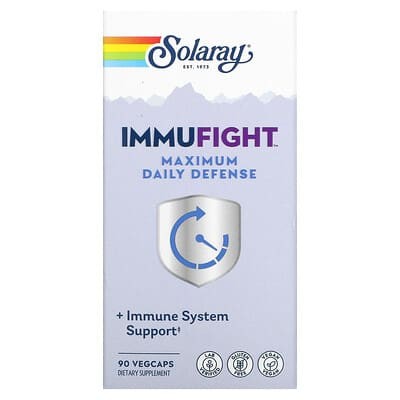


About this product
Vitamin C, zinc, vitamin D and selenium provide the clearest nutritional roles. Zinc at 25 mg uses citrate, a favorable source, while vitamin D is reported as a 62 mcg serving across repeated descriptions rather than additive amounts. The formula may help meet nutrient needs involved in normal immune function, without establishing added protection once needs are met.
The 1,000 mg vitamin C serving uses calcium strontium ascorbate. Separate calcium and strontium amounts are not stated, so their mineral contributions cannot be determined. Monolaurin at 150 mg adds a named ingredient, but the supplied findings do not establish an effective oral immune regimen from it.
The probiotic entry gives a weight without enough strain or viable-count detail to judge its contribution. Other small plant additions do not establish stronger combined benefits, and the tiny rose hip amount does not reproduce the preparation associated with joint findings. The relatively high cost for vitamin C, zinc and monolaurin limits value if basic nutrient support is the goal.
Pros
Zinc citrate is a favorable source for absorption. Main nutrient and additional ingredient amounts are disclosed. Vitamin D and selenium add distinct nutritional contributions.
Cons
Calcium and strontium amounts within the vitamin C source are not stated. The probiotic weight does not establish strain identity or viable count. The monolaurin serving does not establish a useful oral immune regimen. Relatively high cost for several of the main ingredients.
Warnings
The 25 mg zinc serving adds substantially to dietary and supplemental zinc; count all sources before combining it with other zinc products against the adult 40 mg daily upper limit.