
Nutrient quality
A simple EPA-and-DHA formula is logically aligned with its intended uses. Low active concentration and sparse quality detail are the main weaknesses.
.
 iHerb iHerb | $ 37.56 | |
 Vitacost Vitacost | $ 37.56 | |
 Daily Vita Daily Vita | $ 37.56 |
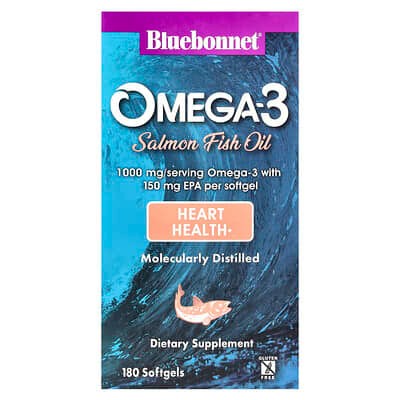
The formula supplies 150 mg EPA and 100 mg DHA per serving, giving a low omega-3 dose. Both key omega-3s are quantified, so the active amount is easy to assess.
The low EPA-and-DHA amount is better suited to light supplemental use than to someone seeking a concentrated omega-3 serving. The active-dose value is reasonable, though alternatives may provide more omega-3 per serving.
The label does not identify the omega-3 molecular form or provide independent purity and oxidation test results, so important quality details remain uncertain. The softgel(s) format may be convenient for routine use, but the disclosed facts do not establish freshness or contaminant control.
A simple EPA-and-DHA formula is logically aligned with its intended uses. Low active concentration and sparse quality detail are the main weaknesses.
.Active amounts are individually disclosed, and no proprietary blend hides the supplied doses. Complete use directions, excipients, and some source or quality details remain unavailable.
.Supplied aggregate data indicate strong satisfaction with a moderate response base. Specific comments are absent, so recurring complaints and purpose-specific experiences cannot be verified.
.A simple label and low serving cost are practical positives. The low active yield makes the product less efficient than concentrated alternatives.
.
EPA and DHA are directly relevant to cardiovascular support and are individually disclosed. Their combined amount is modest, and the label does not provide molecular form, oxidation protection, or independent purity information.
The formula offers focused lipid and inflammatory support but lacks the depth expected for meaningful triglyceride management. A single softgel is convenient, yet the low active concentration limits its likely contribution.

EPA and DHA directly support the body's production of inflammation-resolving mediators. These omega-3 fatty acids have strong human evidence for supporting inflammatory balance.
The combined 250 mg of EPA and DHA is modest and unlikely to provide robust focused support. EPA and DHA are separately disclosed, but molecular form, purification, and testing are not stated.
| Ingredient | Amount per serving |
|---|---|
Calories | 10 Calories |
Total Fat | 1 Gram(s) |
Saturated Fat | 230 mg |
Polyunsaturated Fat | 400 mg |
Monounsaturated Fat | 220 mg |
Omega-3 Fish Oil | 1000 mg |
Eicosapentaenoic Acid | 150 mg |
Docosahexaenoic Acid | 100 mg |
The unspecified oil form, low EPA concentration, and absent antioxidant disclosure point to basic ingredient quality. EPA remains appropriately dominant over DHA, but the absolute serving is modest and no contaminant testing is mentioned. Cost per EPA amount sits in the premium tier despite the low serving price.
The combined 250 mg EPA and DHA amount provides a below-minimum dose at about 25% of the fish oil, indicating low concentration. The molecular form, purification method, and independent testing are not stated. Disclosed actives provide average cost efficiency, while the missing quality details limit confidence.
The serving contains only 100 mg of DHA with 150 mg of EPA, making it a low-potency DHA option. Its chemical form is not disclosed, omega-3s make up a small share of the oil, and no antioxidant or purity-testing evidence is provided. The cost per gram of DHA is high despite the modest serving cost.
Published studies used for the product analysis and the top-ranked studies for each ingredient and goal.