Convenient standard dosing and a large supply give this basic formula practical appeal. It still lacks standardized-source detail and complete safety guidance.
Convenient standard dosing and a large supply give this basic formula practical appeal. It still lacks standardized-source detail and complete safety guidance.
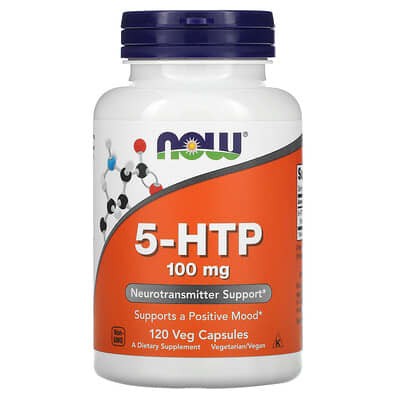
The capsule provides 100 mg of 5-HTP from Griffonia simplicifolia seed extract. One-capsule dosing and a substantial supply make the product convenient for users who already know this amount suits them.
5-HTP may support mood, stress, or sleep through serotonin production, but its connection to weight management is indirect. No other active extends the formula into broader relaxation, circadian, or metabolic support.
The extract's standardization percentage is not shown. A specific warning about serotonin-modulating medicines is also missing from the supplied label data despite being central to safe use.
thumb_upPros
Provides 100 mg in one capsule
Identifies Griffonia seed extract
Large supply is convenient
thumb_downCons
No extract standardization percentage
No broader goal-support ingredients
Weight-management role is limited
warningWarnings
Do not combine 5-HTP with SSRIs, SNRIs, MAO inhibitors, triptans, or other serotonin-raising medicines without medical supervision.
Possible effects include nausea, digestive discomfort, drowsiness, and vivid dreams.
Use care with other sedating products until tolerance is clear.
scienceNutrient quality
88
Highest impact
The named Griffonia seed extract gives the active a clear botanical source, although no standardization percentage is supplied. The 100 mg 5-HTP serving is well aligned with common supplemental use, while the focused design avoids unrelated actives.
.
scienceIngredient transparency
84
Highest impact
All supplied active ingredients have specific amounts, and no proprietary blend hides key doses. Serving count is available, but full intake directions, excipients, and a serotonin-medication warning are absent from the supplied label details.
.
thumb_upCustomer satisfaction
70
High impact
The supplied aggregate rating is strong, though its reliability depends heavily on the available review volume. No review text is provided to identify repeated complaints or firsthand experiences tied to the intended uses.
.
workspace_premiumValue for money
96
Highest impact
Cost efficiency per equivalent active amount appears excellent, with the standard dose shaping practical value. The single-active formula does not use decorative ingredients to justify its cost.
B+
Goal FitA-
Strength of SupportD+
CoverageA+
Formula Quality
5-HTP · 100 mg
5-HTP at 100 mg directly supplies a serotonin precursor and is clearly aligned with mood support. Human evidence suggests possible benefit for depressive symptoms, but the research base is smaller and less consistent than for established therapies.
The amount reaches a commonly used supplemental range. Combining 5-HTP with SSRIs, SNRIs, MAO inhibitors, tramadol, or other serotonergic agents can raise the risk of serotonin toxicity.
scienceStudy evidence
SupportiveMixedNo effectAdverse
5-HTP Supportive star star star star_border star_border 9 studies
B-
Goal FitB+
Strength of SupportC
CoverageA
Formula Quality
5-HTP may support melatonin production through serotonin, but its sleep evidence is less consistent than evidence for melatonin itself. The amount matches a commonly used 5-HTP serving without starting at the highest strength.
The vegetable capsule provides straightforward conventional delivery. Griffonia seed extract is named without a standardization level, and 5-HTP may dangerously add to the effects of SSRIs, SNRIs, MAO inhibitors, or other serotonin-raising medicines.
scienceStudy evidence
SupportiveMixedNo effectAdverse
5-HTP Supportive star star star_border star_border star_border 1 study
C+
Goal FitB+
Strength of SupportD+
CoverageA
Formula Quality
The 100 mg 5-HTP serving provides a standard targeted amount for mood or sleep concerns linked to stress. Its Griffonia simplicifolia source is identified but not standardized for active content.
Focused serotonin support may suit a specific pattern but does not address broader stress adaptation. Combining 5-HTP with SSRIs, SNRIs, MAO inhibitors, or other serotonin-raising medicines can increase the risk of serotonin toxicity.
scienceStudy evidence
SupportiveMixedNo effectAdverse
5-HTP Supportive star star star_border star_border star_border 18 studies
C+
Goal FitB+
Strength of SupportC-
CoverageA
Formula Quality
5-HTP may help appetite and carbohydrate cravings when serotonin-related eating patterns are a meaningful barrier. The amount matches common supplemental use.
The benefit is situational and does not directly increase fat loss or energy expenditure. Combining 5-HTP with SSRIs, MAO inhibitors, or other serotonin-raising drugs can create dangerous excess serotonin.
scienceStudy evidence
SupportiveMixedNo effectAdverse
5-HTP Supportive star star star star_border star_border 5 studies
B-
Active Ingredient Quality & BioavailabilityB-
Dose, Safety & Label TransparencyA+
Value
The 100 mg amount matches the standard target and is delivered in a vegetable capsule. Griffonia simplicifolia seed extract is clear on source but not on standardization. The large package provides excellent cost efficiency, while the supplied label data lacks a serotonin-medication warning.
A focused 5-HTP formula offers a useful alternative dosing and package profile. Its 100 mg 5-HTP serving matches the original amount while offering a different formula or package choice. The same serious interaction caution with serotonin-raising medicines applies.
A focused 5-HTP formula offers a useful alternative dosing and package profile. Its 100 mg 5-HTP serving matches the original amount while offering a different formula or package choice. The same serious interaction caution with serotonin-raising medicines applies.
A focused 5-HTP formula offers a useful alternative dosing and package profile. Its 100 mg 5-HTP serving matches the original amount while offering a different formula or package choice. The same serious interaction caution with serotonin-raising medicines applies.
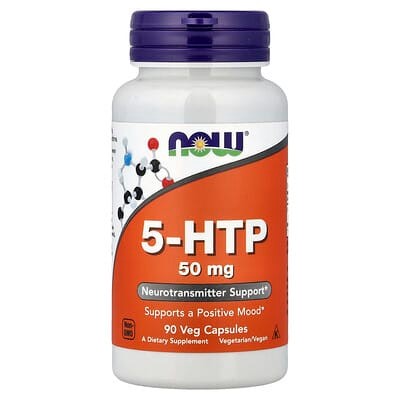
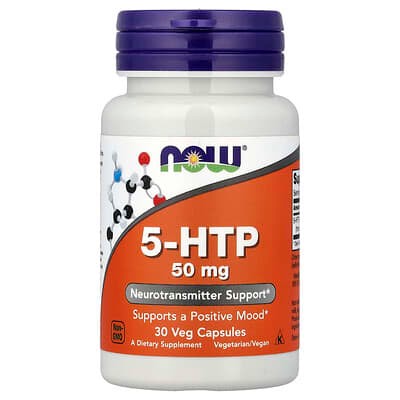
The lower recurring cost makes this a more economical eligible choice. Its 50 mg 5-HTP serving offers a more cautious starting option than the original’s 100 mg amount. The same serious interaction caution with serotonin-raising medicines applies.
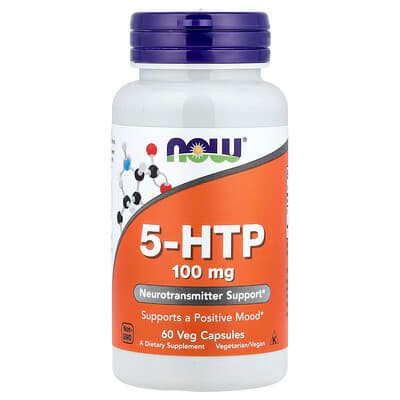
The lower recurring cost makes this a more economical eligible choice. Its 100 mg 5-HTP serving matches the original amount while offering a different formula or package choice. The same serious interaction caution with serotonin-raising medicines applies.
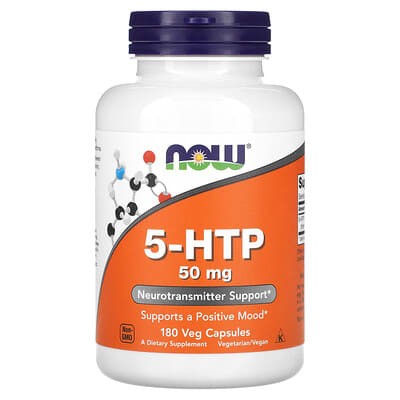
The lower recurring cost makes this a more economical eligible choice. Its 50 mg 5-HTP serving offers a more cautious starting option than the original’s 100 mg amount. The same serious interaction caution with serotonin-raising medicines applies.
Focused 5-HTP dosing and strong formula value make this a practical value alternative. A Griffonia source is identified, but active standardization remains incomplete. The same serious interaction caution with serotonin-raising medicines applies.
Focused 5-HTP dosing and strong formula value make this a practical value alternative. The active amount is disclosed, but botanical-source detail remains incomplete. The same serious interaction caution with serotonin-raising medicines applies.
Focused 5-HTP dosing and strong formula value make this a practical value alternative. A Griffonia source is identified, but active standardization remains incomplete. The same serious interaction caution with serotonin-raising medicines applies.
flagReport alternatives
schoolSources
Published studies used for the product analysis and the top-ranked studies for each ingredient and goal.
Cangiano C; Laviano A; Del Ben M; Preziosa I; Angelico F; Cascino A; Rossi-Fanelli F · International journal of obesity and related metabolic disorders : journal of the International Association for the Study of Obesity · 1998
Randomized trial25 participantsflagWeight Loss forscience5-HTP
Smarius LJ; Jacobs GE; Hoeberechts-Lefrandt DH; de Kam ML; van der Post JP; de Rijk R; van Pelt J; Schoemaker RC; Zitman FG; van Gerven JM; Gijsman HJ · Journal of psychopharmacology (Oxford, England) · 2008