
Nutrient quality
Most herbs lack standardized extracts or active-compound details. Some central ingredients may contribute, but one or more amounts are modest or hidden.
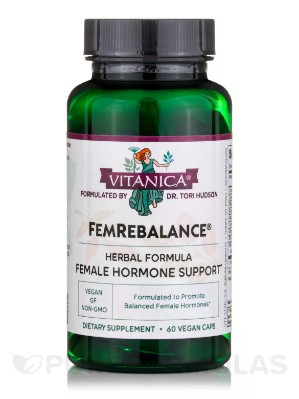
 Pure Formulas Pure Formulas | $ 28.75 | |
 Vitacost Vitacost | $ 28.75 |
Rhodiola, licorice, and chaste tree are each supplied at 200 mg, with borage, maca, vervain, sarsaparilla, wild yam, and black cohosh completing the blend. The ingredient mix is aimed more at hormonal and menopausal concerns than at general cognition or productivity.
Rhodiola species, plant part, extract ratio, rosavins, and salidrosides are not disclosed. Most other botanicals also lack active markers, so their listed weights do not establish consistent potency.
Two capsules combine many herbs, but the complexity raises interaction and tolerability concerns without delivering clear dose quality. The formula may fit a narrow hormone-related use case under informed guidance, not a simple stress or focus routine.
Most herbs lack standardized extracts or active-compound details. Some central ingredients may contribute, but one or more amounts are modest or hidden.
Every listed active has a specific quantity. No proprietary blend hides an ingredient amount.
The supplied aggregate rating is favorable, though no experience details are provided. The very small response count prevents high confidence in satisfaction.
Formula limitations make the cost difficult to justify. The serving cost is moderate relative to the disclosed formula.

Rhodiola provides direct adaptogen support for stress-related fatigue, while chaste tree and black cohosh may help mood in hormone-related contexts. The botanical mix is less suitable as a general mood formula because most extracts are not standardized.
The rhodiola amount is meaningful by weight, but its species, plant part, extract status, and markers are missing. Licorice may raise blood pressure or lower potassium in susceptible users, especially with prolonged use.

Rhodiola provides a relevant adaptogenic ingredient within a broad women’s botanical blend. Several herbs may address hormonal or stress-related symptoms through different mechanisms.
The Rhodiola species, plant part, extract type, and active markers are not disclosed. Licorice may raise blood pressure or lower potassium in susceptible users, especially with prolonged use.

Rhodiola may support mental stamina under stress, but the label does not identify its species, plant part, extract status, or active markers. That uncertainty prevents a close match to the extracts used in cognitive research.
The wider formula is aimed at hormonal balance, so its focus contribution depends heavily on the incompletely characterized Rhodiola. Licorice may raise blood pressure or lower potassium in susceptible users, especially during prolonged use.

Rhodiola may support mental fatigue, but the formula is mainly designed around hormonal and botanical balance. The rhodiola amount is plausible and several adaptogens may contribute to stress resilience.
Rhodiola species, extract type, plant part, and active markers are not disclosed, while several botanicals have limited cognitive evidence. Licorice at the listed amount may raise blood pressure or lower potassium in susceptible users with regular use.
| Ingredient | Amount per serving |
|---|---|
Licorice | 200 mg |
Chaste Tree | 200 mg |
Rhodiola | 200 mg |
Borage oil powder extract | 160 mg |
Maca | 100 mg |
Vervain | 100 mg |
Sarsaparilla root extract | 100 mg |
Wild Yam | 100 mg |
Black Cohosh root extract | 80 mg |
The formula lists a meaningful rhodiola amount but does not identify the species, plant part, extract form, or active-marker standardization. Those omissions prevent confirmation that it matches the Rhodiola rosea extracts used for stress and productivity support. Licorice at 200 mg may raise blood pressure or lower potassium in susceptible users, especially with prolonged use.
Published studies used for the product analysis and the top-ranked studies for each ingredient and goal.