Blue-Green Algae

botanical

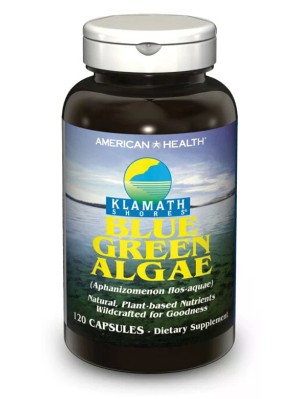
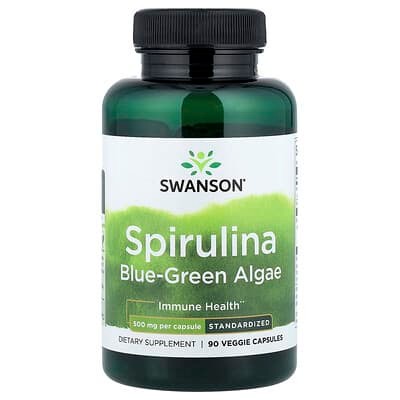
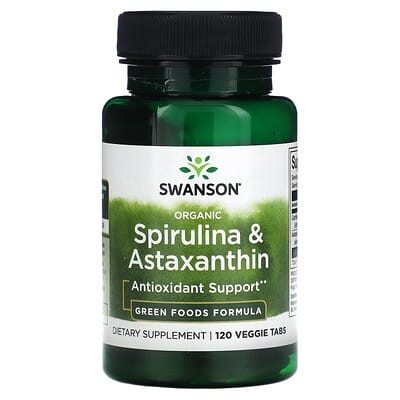
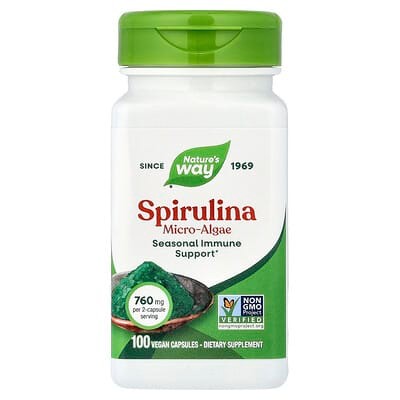
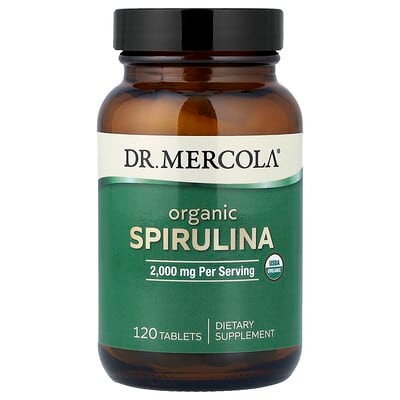
Blue-green algae, scientifically known as cyanobacteria, are a diverse group of photosynthetic microorganisms found in aquatic environments. Species like Spirulina and Aphanizomenon flos-aquae (AFA) provide a complete protein source containing all essential amino acids. This makes them useful in plant-based diets and for supporting cellular repair and growth. These microorganisms are a concentrated source of vital nutrients, including B vitamins—particularly vitamin B12—and vitamin K. They also provide minerals like iron, magnesium, zinc, and selenium. Notable bioactive compounds include phycocyanin, a blue pigment with antioxidant and anti-inflammatory properties, and chlorophyll, which supports oxygenation and detoxification. Regular use is associated with several health benefits, including immune support, increased energy, and support for the body’s natural detoxification processes. Their antioxidant profile helps manage oxidative stress, while the broad nutrient content supports cognitive function, skin health, and overall well-being.

Natural sources
Freshwater lakes and pondsAlkaline water bodies (e.g., Lake Klamath for AFA)Certain marine environments (some species)Cultivated bioreactors

No public comparison lists found.

Timing & Intake
AnytimeWith foodTake with Water or juice
This can be taken daily, often in split doses, either with or without food. Taking it with a meal may help mitigate mild digestive discomfort.
Optimal Dosage
Minimum1000 mg
Maximum3000 mg
Safety & Toxicity
5 safety notes
  • Pregnant or breastfeeding individuals should consult a healthcare professional before use.
  • Individuals with autoimmune diseases (e.g., lupus, rheumatoid arthritis, multiple sclerosis) should use with caution or avoid, as blue-green algae may stimulate the immune system.
  • Ensure products are sourced from reputable suppliers to avoid contamination with toxins (e.g., microcystins, heavy metals) which can be harmful to the liver and nervous system.
  • Individuals with phenylketonuria (PKU) should avoid spirulina species that contain phenylalanine, unless specifically tested and approved.
  • May interact with certain medications, particularly immunosuppressants and blood thinners; consult a healthcare professional if on medication.
Goals
Anti-Inflammatory Support
Impact
High effect
Typical dose:1–5 g

The primary anti-inflammatory compound in blue-green algae like spirulina is phycocyanin, which has been shown to inhibit the COX-2 enzyme and reduce oxidative stress. While highly effective, it is not typically considered as foundational as Fish Oil or Vitamin D, placing it firmly in the high-impact tier.

Focuses on
C-reactive proteinPro-inflammatory cytokinesPost-exercise recoverySystemic inflammationMarker management
Most relevant for
Adults seeking to lower inflammatory blood markers, particularly athletes and those with weight-related inflammatory concerns.

Potential benefits

  • Cytokine Management.Meta-analyses and clinical trials indicate that spirulina effectively reduces systemic pro-inflammatory markers, including IL-6, IL-1beta, and TNF-alpha.
  • Exercise Inflammation Control.Daily intake may prevent exercise-induced spikes in C-reactive protein (CRP) and accelerate the recovery of inflammatory markers following intense physical activity.
  • Targeted Population Support.Evidence suggests reductions in inflammatory markers and improvements in physical quality of life for specific groups, such as individuals with obesity or multiple sclerosis.

Limitations

  • Laboratory Marker Focus.Most research demonstrates changes in blood markers rather than confirming long-term relief from inflammatory symptoms or changes in disease progression.
  • Spirulina-Specific Evidence.The available studies focus on the Spirulina genus; these findings may not apply to other species of blue-green algae which have different chemical compositions.
  • Exercise Interaction.Certain benefits, particularly in obesity-related inflammation, appear significantly more effective when supplementation is combined with high-intensity interval training.

Study evidence

4 studies

Research on spirulina, a type of Blue-Green Algae, suggests it can reduce some blood markers of inflammation. These findings mainly concern specific health or exercise settings and do not establish symptom relief, disease prevention, or equivalent effects from other blue-green algae products.

View goal

Energy
Impact
Moderate effect
Typical dose:1000–5000 mg

As a nutrient-rich whole food, blue-green algae can contribute to overall vitality by providing a broad spectrum of micronutrients. However, its effects are less direct and potent than targeted supplements for energy production, and benefits are most likely in those with suboptimal nutrient intake.

Focuses on
Physical fatigueMental fatigueExercise enduranceNutrient supportVitality
Most relevant for
Individuals seeking a nutrient-dense supplement to help manage fatigue or support physical endurance.

Potential benefits

  • Reduced Fatigue.Small trials indicate that spirulina may help lower perceived mental and physical exhaustion and improve focus during taxing tasks.
  • Enhanced Physical Endurance.Research in men shows increased exercise output and longer time to fatigue during physical activity after consistent supplementation.
  • Nutritional Energy Support.Unconfirmed. As a source of iron and B-vitamins, it may support energy metabolism; however, this specific nutritional benefit for energy is unconfirmed as clinical trials primarily focus on antioxidant and anti-inflammatory mechanisms.

Limitations

  • Limited Ingredient Scope.Research findings are specific to spirulina and do not necessarily apply to other types of blue-green algae products.
  • Small Study Sizes.Evidence is based on small sample sizes and specific populations, such as men or those with multiple sclerosis, limiting generalizability to the general public.
  • Indirect Energy Support.Improvements in energy may result from reduced inflammation or oxidative stress rather than a direct boost in alertness.
Things to consider

Benefits are likely to be most noticeable in individuals with suboptimal nutrient intake, and the effects are generally less direct than those from targeted energy supplements.

Study evidence

3 studies

Small trials suggest spirulina, a type of blue-green algae, may reduce fatigue or improve exercise endurance. The evidence is preliminary and includes men and people with multiple sclerosis, so it does not establish a reliable everyday energy benefit for everyone.

View goal
Immunity
Impact
Moderate effect
Typical dose:1–5 g

Spirulina and other blue-green algae can enhance the function of NK cells and macrophages. While beneficial for overall wellness and immune system readiness, it lacks the strong, targeted evidence for treating acute infections that higher-tier supplements possess.

Focuses on
Natural killer cellsCytokine signalingCD4+ T-cellsImmune markersImmune vigilance
Most relevant for
Healthy adults or older individuals seeking to support biological markers of immune activity rather than a proven prevention for common illness.

Potential benefits

  • Natural Killer Cell Activity.Short-term supplementation may increase the activity and genetic markers of natural killer cells, which are essential for identifying and responding to immune challenges.
  • Immune Signaling Support.Research in older adults suggests spirulina can influence the production of signaling molecules like IL-2 and IL-6, which are critical for coordinating cellular immune responses.
  • Everyday Immune Protection.Unconfirmed. While laboratory markers of immunity improve with use, it is not yet proven that these biological changes translate into fewer infections or faster recovery from illness.

Limitations

  • Lack of Clinical Outcomes.Evidence primarily tracks changes in cell counts and biomarkers; there is a lack of data showing whether these changes lead to real-world benefits like reduced sick days.
  • Extract Specificity.Some significant results were observed using specialized extracts like Immulina, meaning the same effects may not be guaranteed with all standard blue-green algae powders.
  • Population Constraints.The strongest improvements in viral load and T-cell counts were found in specific clinical populations and may not apply to the general public.

Study evidence

3 studies

Blue-Green Algae research, mainly on spirulina, suggests effects on immune activity, but clinical benefits remain uncertain. Changes in immune markers in healthy adults and people with viral infections do not establish that supplementation prevents infections or improves everyday resistance to illness.

View goal
Detoxification
Impact
Situational effect
Typical dose:1–5 g

Blue-Green Algae, particularly Chlorella, acts primarily as a chelator within the gastrointestinal tract to bind heavy metals and prevent their absorption. Its role is specific and situational, rather than a foundational support for liver enzyme pathways.

Focuses on
Heavy metal bindingArsenic excretionGastrointestinal adsorption
Most relevant for
Individuals specifically concerned with the gastrointestinal binding of heavy metals like arsenic.

Potential benefits

  • Arsenic Excretion Support.Unconfirmed. When used alongside zinc, spirulina extract has shown potential in helping to reduce arsenic levels in individuals with chronic poisoning.
  • Gastrointestinal Metal Binding.Unconfirmed. May act as a chelator within the digestive tract to bind certain heavy metals and prevent their absorption into the body.

Limitations

  • Indirect Evidence.Much of the research focuses on environmental phycoremediation of river water, which does not prove the ingredient works the same way inside the human body.
  • Confounded Results.Human studies on arsenic detoxification included zinc and clean water filters, making it impossible to determine the benefit of the algae alone.
  • Not a Systemic Detoxifier.There is no evidence that this ingredient supports foundational metabolic detoxification pathways, such as liver enzyme activity.
Things to consider

Because blue-green algae can naturally absorb environmental pollutants, it is important to ensure the supplement itself is free from heavy metal contamination.

Study evidence

3 studies

Blue-Green Algae has limited evidence for human detoxification. A spirulina and zinc combination showed possible benefits in people with chronic arsenic poisoning, but this does not establish that algae alone removes toxins or provides a general detox benefit.

View goal

Studies

Research connections will load here.
Interactions

Positive Interactions

Vitamin C
Vitamin C enhances the absorption of non-heme iron present in blue-green algae.
Iron
Blue-green algae is a natural source of iron, complementing iron supplementation to support healthy red blood cell formation.
Vitamin B12
Blue-green algae, particularly Spirulina, is a rare plant-based source of Vitamin B12, supporting nerve function and energy metabolism.
Zinc
Blue-green algae contributes zinc, which works synergistically with other minerals for immune support and cellular health.
Magnesium
Provides magnesium, an essential mineral for numerous bodily functions, complementing overall mineral intake.
Folate
Blue-green algae contains folate, supporting cell growth and DNA synthesis.
Chlorophyll
Blue-green algae is naturally rich in chlorophyll, enhancing its detoxifying and oxygenating properties.
Astaxanthin
Both are powerful antioxidants that provide synergistic cellular protection against oxidative stress.
Coenzyme Q-10
Both support cellular energy production and offer antioxidant benefits, enhancing vitality.
Omega-3
Blue-green algae can contribute beneficial fatty acids, complementing Omega-3s for cardiovascular and brain health.
Turmeric
Both possess strong anti-inflammatory and antioxidant properties, potentially offering enhanced benefits when combined.
Green Tea
Both are rich in antioxidants, contributing to overall health and cellular protection.
Gluthathione
Blue-green algae can support the body's natural glutathione production or provide precursors, enhancing detoxification.
carotenoids
Blue-green algae contains various carotenoids (like beta-carotene), complementing other carotenoids for enhanced antioxidant benefits.
Flavonoid
Blue-green algae's phytonutrients can work synergistically with other flavonoids for enhanced antioxidant and anti-inflammatory effects.
Sources

Up to five highest-ranked published examples per goal. Study counts and charts include all published studies for the connection.

  1. Combined high-intensity interval training and spirulina supplementation synergistically improve inflammatory and lipid-associated biomarkers in men with obesity.
    Delfan M; Negin Zeidi HA; Kashani FR; Zeynali F; Juybari RA; Rahimpour M; Willems MET; Saeidi A; Zouhal H · Nutrition research (New York, N.Y.) · 2026
    Randomized trial64 participantsAnti-Inflammatory Support
  2. Effects of spirulina (Arthrospira) platensis supplementation on inflammation, physical and mental quality of life, and anthropometric measures in patients with relapsing-remitting multiple sclerosis (RRMS): a triple-blinded, randomized, placebo-controlled trial
    Sheno Karimi, Vahid Shaygannejad, Adel Mohammadalipour, Awat Feizi, Sahar Hooshmand, Marzieh Kafeshani · Nutrition Journal · 2025
    Randomized trial80 participantsEnergyAnti-Inflammatory Support
  3. Spirulina's impacts on cardiovascular health: Insights from a systematic meta-analysis of RCT
    Hamidreza Shiri, Ali Akbar Soleimani, Behnam Omidi Sarajar, Abdolkarim Talebi Taheri, Fataneh Esmaeili, Mohammad Hadi Nematollahi, Mahmood Alizadeh Sani · Complementary Therapies in Medicine · 2025
    Meta-analysis1,523 participants35 studies pooledAnti-Inflammatory Support
  4. Spirulina supplementation prevents exercise-induced lipid peroxidation, inflammation and skeletal muscle damage in elite rugby players
    Mehdi Chaouachi, Sandrine Gautier, Yoann Carnot, Pierrick Guillemot, Joel Pincemail, Yann Moison, Tom Collin, Carole Groussard, Sophie Vincent · Journal of Human Nutrition and Dietetics · 2022
    Randomized trial17 participantsAnti-Inflammatory Support
  5. A randomized, double blind, placebo controlled study of spirulina supplementation on indices of mental and physical fatigue in men
    Morgan Johnson, Lauren Hassinger, Joshua Davis, Steven T Devor, Robert A DiSilvestro · International Journal of Food Sciences and Nutrition · 2016
    Randomized trial18 participantsEnergy
  6. Ergogenic and antioxidant effects of spirulina supplementation in humans
    Maria Kalafati, Athanasios Z Jamurtas, Michalis G Nikolaidis, Vassilis Paschalis, Anastasios A Theodorou, Giorgos K Sakellariou, Yiannis Koutedakis, Dimitris Kouretas · Medicine & Science in Sports & Exercise · 2010
    Randomized trial9 participantsEnergy
  7. Antiviral potential of spirulina in individuals with human immunodeficiency virus or Hepatis C virus infections: A systematic review and meta-analysis
    Linda McKinley, Innocent Kelly Acen, Ahmad Alshannaq, Leslie Christensen, Katherine Dolan, Ashley Kates, Julie Keating, Jackson Musuuza, Fauzia Hollnagel, Nasia Safdar · Clinical Nutrition ESPEN · 2024
    Meta-analysis6 studies pooledImmunity
  8. Enhancement of natural killer cell activity in healthy subjects by Immulina®, a Spirulina extract enriched for Braun-type lipoproteins
    Claus Henrik Nielsen, Premalatha Balachandran, Ole Christensen, Nirmal D Pugh, Hemlata Tamta, Kenneth J Sufka, Xiangmei Wu, Anette Walsted, Michelle Schjorring-Thyssen, Christian Enevold, David S Pasco · Planta Medica · 2010
    Non-randomized trial21 participantsImmunity
  9. A randomized double-blind, placebo-controlled study to establish the effects of spirulina in elderly Koreans
    Hee Jung Park, Yun Jung Lee, Han Kyoung Ryu, Mi Hyun Kim, Hye Won Chung, Wha Young Kim · Annals of Nutrition & Metabolism · 2008
    Randomized trial78 participantsImmunity
  10. Comparative Evaluation of Chlorella vulgaris and Anabaena variabilis for Phycoremediation of Polluted River Water: Spotlighting Heavy Metals Detoxification.
    Ahammed MS; Baten MA; Ali MA; Mahmud S; Islam MS; Thapa BS; Islam MA; Miah MA; Tusher TR · Biology · 2023
    OtherDetoxification
  11. Beyond carbon capture: bioengineering cyanobacteria as solar-driven platforms for remediation of recalcitrant human-generated waste.
    Seiilbek SN; Mirza SS; Torekhanova MM; Altybaeva NA; Sydykbekova RK; Akmukhanova NR; Bruce BD · Frontiers in plant science · 2026
    Narrative reviewDetoxification
  12. Efficacy of spirulina extract plus zinc in patients of chronic arsenic poisoning: a randomized placebo-controlled study
    Mir Misbahuddin et al. · Clinical Toxicology · 2006
    Randomized trial41 participantsDetoxification