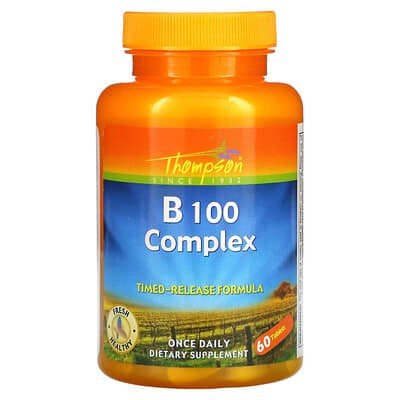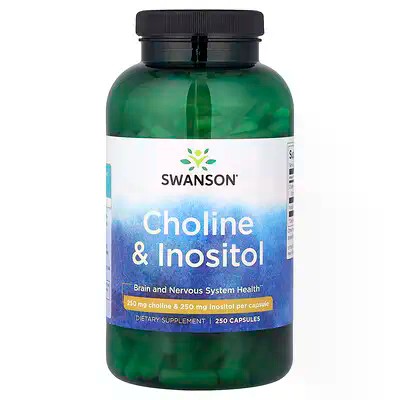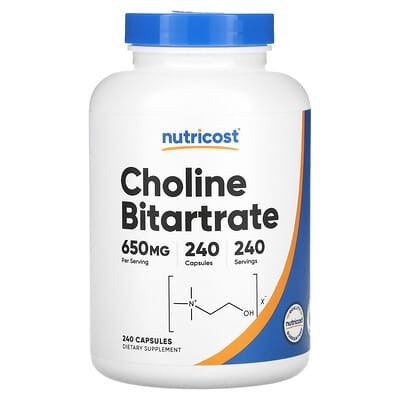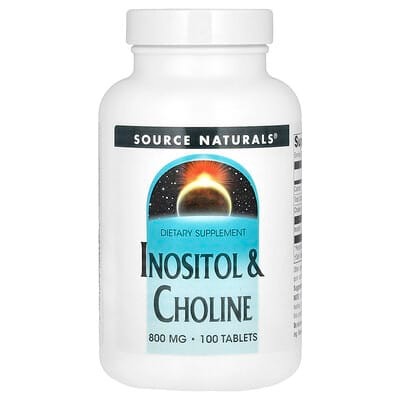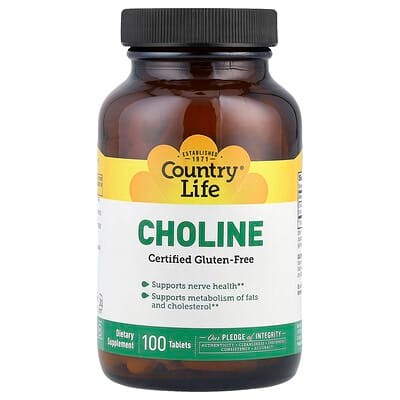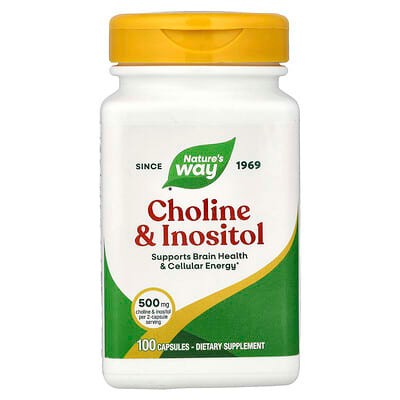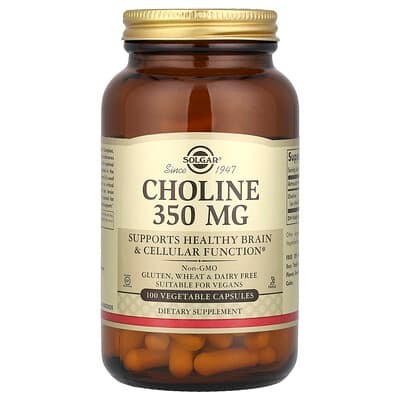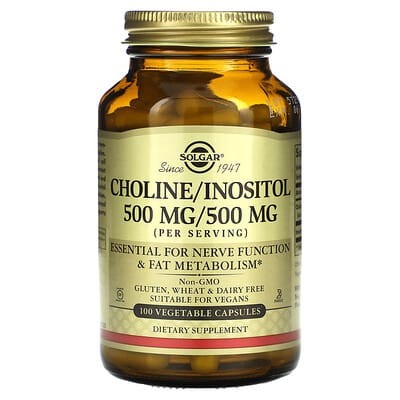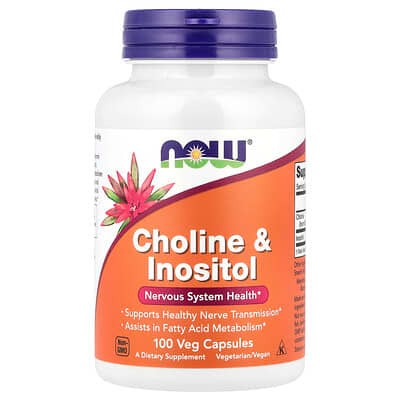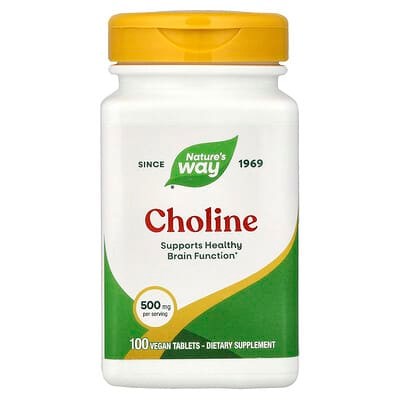
Choline

Description

Choline is an essential nutrient, frequently categorized with B vitamins, though not a true vitamin itself. It plays a pivotal role in numerous physiological processes, including maintaining the structural integrity of cell membranes, participating in lipid transport and metabolism, and acting as a precursor for the neurotransmitter acetylcholine, which is critical for memory, mood, and muscle control. While the body can synthesize some choline, dietary intake is necessary to meet daily requirements. Its functions extend to supporting liver health by preventing fat and cholesterol buildup, and it's essential for healthy brain development and cognitive function throughout life. Choline is also involved in methylation pathways, which are fundamental for DNA synthesis, gene expression, and detoxification processes within the body. This broad involvement underscores its significance for overall cellular health and physiological balance. Adequate choline intake is particularly important during pregnancy and lactation for proper fetal brain development. It also contributes to cardiovascular health by helping regulate homocysteine levels, an amino acid linked to heart disease risk. As such, choline plays a multifaceted role in health, impacting neurological, hepatic, and metabolic systems.

Sources
Eggs (especially egg yolks)Beef liverChickenFish (e.g., salmon, cod)SoybeansQuinoaBroccoliBrussels sproutsPeanutsMushrooms
Cheapest Choline supplements
Discover the most affordable Choline supplements to support detoxification, enhance mental focus, and boost cognitive function.
Best Choline Supplements
Discover the best choline supplements to support detoxification, enhance mental focus, and boost overall cognitive function.
Value Choline supplements
Discover top-value choline supplements designed to support your detoxification processes, enhance mental focus, and boost overall cognitive function.
Timing & Intake
AnytimeWith food
Often taken with meals to minimize potential gastrointestinal discomfort.
Daily Intake
RDA (Men)550 mg
RDA (Women)425 mg
RDI550 mg
Optimal Dosage
Minimum250 mg
Maximum500 mg
Safety & Toxicity
Upper Limit (UL)3500 mg
Toxicity Threshold7000 mg
Toxicity Effecthypotension, fishy odor
Interactions

Positive Interactions

Folate
Choline acts as a methyl donor and is closely involved with folate in the methylation cycle, supporting homocysteine metabolism.
Vitamin B12
Choline works synergistically with Vitamin B12 in methylation pathways, essential for cellular function and homocysteine regulation.
Betaine Anhydrous
Betaine is a metabolite of choline, and they work together as methyl donors, especially for liver health and homocysteine reduction.
METHIONINE
Choline metabolism is linked to the methionine cycle, as choline can be synthesized from methionine and both are involved in essential methylation reactions.
SAMe
As a primary methyl donor, SAMe's functions are supported by choline, which also contributes to overall methylation capacity in the body.
Omega-3
Choline is crucial for the synthesis of phospholipids that incorporate Omega-3 fatty acids into cell membranes, particularly in the brain, enhancing cognitive benefits.
DHA
Choline is essential for incorporating DHA into brain cell membranes, supporting brain structure, fluidity, and cognitive function.
EPA (Eicosapentaenoic Acid)
Choline aids in the integration of EPA into cell membranes, contributing to cellular health and potentially supporting the anti-inflammatory effects of EPA.
Acetyl L-Carnitine
Both choline and Acetyl L-Carnitine are involved in brain health and the production of acetylcholine, a vital neurotransmitter for memory and learning.
Alpha-GPC
Alpha-GPC is a highly bioavailable form of choline, and their combined intake can enhance acetylcholine synthesis and support cognitive functions.
Price per product
Average$30.88
Median$27.00
Price per serving
Average$0.70
Median$0.60
Price per 10 mg
Average$0.13
Median$0.10
Price distribution
Price per serving distribution
Price per 10 mg
Reference amount: 10 mg
Forms
Paired ingredients
Choline Bitartrate (400)70
Choline bitartrate is a salt formed by combining choline with tartaric acid. It is a widely available and economical form of choline, frequently used in dietary supplements. It typically contains about 40% choline by weight and effectively increases systemic choline levels. While it provides the essential nutrient choline for various bodily functions, its efficacy in directly increasing brain choline levels may be less pronounced compared to more advanced forms like CDP-Choline or Alpha-GPC.
Pros
  • Cost-effective
  • Widely available
  • Good source of dietary choline
  • Generally well-tolerated
Cons
  • Lower bioavailability for brain-specific effects compared to some advanced forms
  • Potential for gastrointestinal discomfort at high doses
Per product
Avg$31.14
Med$26.77
Per serving
Avg$0.77
Med$0.53
Per 10 mg
Avg$0.35
Med$0.14
Price distribution
Choline Citrate (14)68
Choline citrate is a compound where choline is chemically bound to citric acid. It serves as an accessible source of choline for the body, supporting various physiological functions including liver health and neurotransmitter synthesis. Its bioavailability is considered comparable to choline bitartrate, primarily increasing systemic choline levels rather than directly impacting brain acetylcholine as efficiently as certain specialized forms.
Pros
  • Readily absorbed source of choline
  • Generally well-tolerated
  • Cost-effective
Cons
  • Similar to bitartrate, not as effective for direct brain choline enhancement as advanced forms
  • Potential for gastrointestinal discomfort at high doses
Per product
Avg$54.92
Med$56.00
Per serving
Avg$2.70
Med$2.47
Per 10 mg
Avg$0.55
Med$0.31
Price distribution
Choline Dihydrogen Citrate (12)68
Choline dihydrogen citrate is a specific salt form of choline combined with citric acid. Like choline citrate and bitartrate, it is primarily used as a dietary supplement to provide choline, supporting general metabolic functions, liver health, and neurotransmitter synthesis. Its properties and efficacy are expected to be very similar to choline citrate, acting as a general choline donor within the body.
Pros
  • Good source of dietary choline
  • Generally well-tolerated
  • Common in nutritional supplements
Cons
  • Similar to other common choline salts, not optimized for direct brain penetration compared to advanced forms
Per product
Avg$36.89
Med$35.25
Per serving
Avg$0.63
Med$0.39
Per 10 mg
Avg$0.17
Med$0.12
Price distribution
VitaCholine (10)75
VitaCholine is a registered trademark for a line of choline products from Balchem Corporation. It generally refers to high-purity Choline Bitartrate, known for its consistent quality and rigorous manufacturing processes. While chemically it is Choline Bitartrate, the brand emphasizes quality control and purity, potentially offering a more reliable and trusted product compared to generic sources. It delivers choline for essential body functions, including liver support and neurotransmitter synthesis.
Pros
  • High purity and quality assurance from a reputable manufacturer
  • Good source of dietary choline
  • Generally well-tolerated
Cons
  • Still Choline Bitartrate, shares its limitations regarding direct brain penetration compared to advanced forms
  • May be slightly more expensive than generic choline bitartrate
Per product
Avg$45.49
Med$44.99
Per serving
Avg$2.07
Med$2.24
Per 100 mg
Avg$1.01
Med$1.09
Price distribution
ch-OSA (7)15
ch-OSA stands for choline-stabilized orthosilicic acid. It is predominantly marketed as a source of bioavailable silicon, an essential trace element beneficial for bone, skin, hair, and nail health by supporting collagen production. While choline is an integral part of its formulation, used to stabilize the orthosilicic acid molecule and enhance silicon's absorption, the amount of choline present is typically low. Therefore, ch-OSA is not considered a primary source for significant choline intake or for eliciting choline's direct physiological benefits as a standalone choline supplement.
Pros
  • Excellent bioavailability for silicon
  • Supports collagen formation and connective tissue health (silicon benefit)
Cons
  • Not a primary source for significant choline intake for choline-specific benefits
  • The choline component is for stabilization, not direct choline supplementation
Per product
Avg$34.41
Med$33.18
Per serving
Avg$0.62
Med$0.59
Per 100 mg
Avg$0.59
Med$0.59
Price distribution
Krill Oil (3)88
Krill oil is extracted from Antarctic krill and is renowned for its high content of omega-3 fatty acids, primarily eicosapentaenoic acid (EPA) and docosahexaenoic acid (DHA), which are largely bound to phospholipids. A significant portion of these phospholipids is phosphatidylcholine, an excellent and highly bioavailable source of choline. This phospholipid-bound choline is readily absorbed and can cross the blood-brain barrier more effectively than simple choline salts, supporting both general choline needs and brain-specific functions, alongside the anti-inflammatory benefits of omega-3s.
Pros
  • Highly bioavailable choline (as phosphatidylcholine)
  • Also provides beneficial omega-3 fatty acids (EPA/DHA)
  • Superior absorption compared to triglyceride-form omega-3s
  • Supports brain health and cell membrane integrity
Cons
  • More expensive than standalone choline supplements
  • Not suitable for individuals with shellfish allergies
  • Potential for fishy aftertaste
Per product
Avg$30.99
Med$30.99
Per serving
Avg$0.97
Med$0.89
Per 10 mg
Avg$0.20
Med$0.20
Price distribution
Choline (2)70
Choline bitartrate is a salt formed by combining choline with tartaric acid. It is a widely available and economical form of choline, frequently used in dietary supplements. It typically contains about 40% choline by weight and effectively increases systemic choline levels. While it provides the essential nutrient choline for various bodily functions, its efficacy in directly increasing brain choline levels may be less pronounced compared to more advanced forms like CDP-Choline or Alpha-GPC.
Pros
  • Cost-effective
  • Widely available
  • Good source of dietary choline
  • Generally well-tolerated
Cons
  • Lower bioavailability for brain-specific effects compared to some advanced forms
  • Potential for gastrointestinal discomfort at high doses
Per product
Avg$36.49
Med$36.49
Per serving
Avg$1.21
Med$1.21
Per 100 mg
Avg$0.61
Med$0.61
Price distribution
Choline Chloride (2)60
Choline chloride is a simple, cost-effective salt of choline that provides the essential nutrient. It is one of the most basic forms of choline and has been widely used, particularly in animal feed, for decades. While effective at delivering choline, it can be hygroscopic (absorbs moisture) and may have a distinct fishy taste or odor, which sometimes makes it less preferred for human supplements compared to choline bitartrate. Its bioavailability for general systemic choline levels is comparable to other simple choline salts.
Pros
  • Very cost-effective
  • Readily available
  • Good source of dietary choline
Cons
  • Can be hygroscopic and challenging to formulate
  • Potential for fishy taste/odor
  • Similar limitations to other simple choline salts regarding brain-specific effects
Per product
Avg$35.37
Med$35.37
Per serving
Avg$0.89
Med$0.89
Per 10 mg
Avg$0.44
Med$0.44
Price distribution
L-Choline Bitartrate (2)70
L-Choline Bitartrate is chemically identical to Choline Bitartrate, offering the same benefits as a choline source. The 'L-' prefix typically refers to the L-isomer of tartaric acid, which is the naturally occurring form. Choline itself does not have L- or D-isomers. This phrasing might be used by some manufacturers to denote a particular standard or quality of the tartaric acid used. It provides choline for essential body functions, including liver support and neurotransmitter synthesis, with similar bioavailability and efficacy to standard choline bitartrate.
Pros
  • Cost-effective
  • Widely available
  • Good source of dietary choline
  • Generally well-tolerated
Cons
  • Similar to standard Choline Bitartrate, lower bioavailability for brain-specific effects compared to more advanced forms
Per product
Avg$47.37
Med$47.37
Per serving
Avg$0.74
Med$0.74
Per 10 mg
Avg$0.74
Med$0.74
Price distribution
Bitartrate (1)70
Choline bitartrate is a salt formed by combining choline with tartaric acid. It is a widely available and economical form of choline, frequently used in dietary supplements. It typically contains about 40% choline by weight and effectively increases systemic choline levels. While it provides the essential nutrient choline for various bodily functions, its efficacy in directly increasing brain choline levels may be less pronounced compared to more advanced forms like CDP-Choline or Alpha-GPC.
Pros
  • Cost-effective
  • Widely available
  • Good source of dietary choline
  • Generally well-tolerated
Cons
  • Lower bioavailability for brain-specific effects compared to some advanced forms
  • Potential for gastrointestinal discomfort at high doses
Per product
Avg$11.96
Med$11.96
Per serving
Avg$0.11
Med$0.11
Per 100 mg
Avg$0.03
Med$0.03
Price distribution