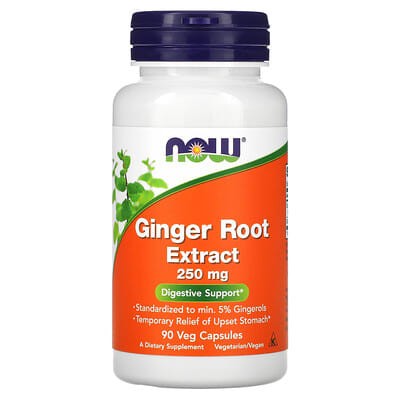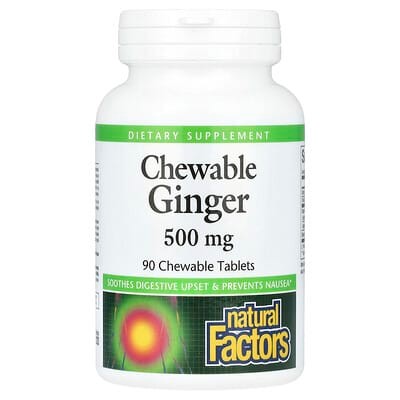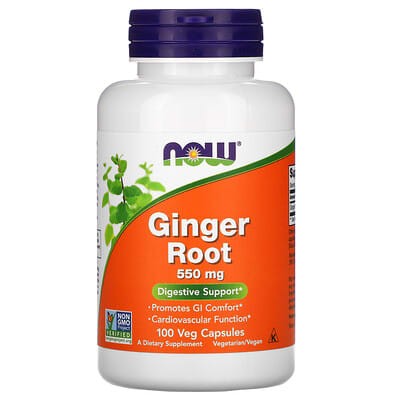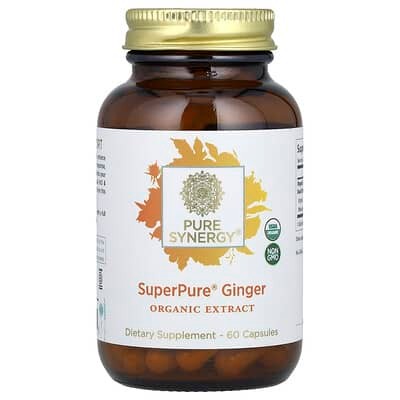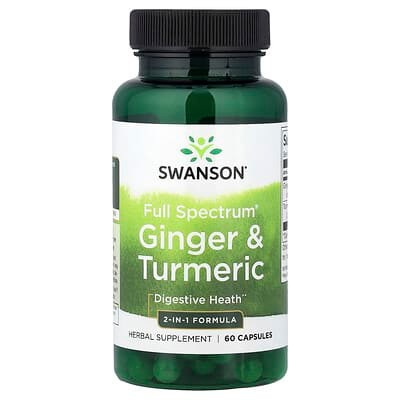
Ginger

botanical

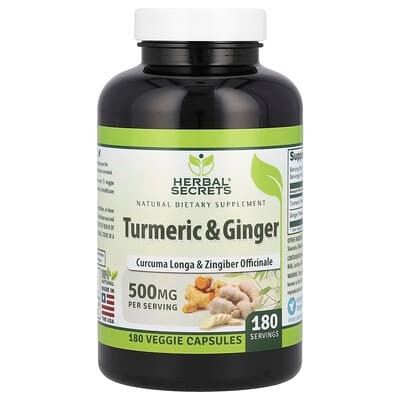
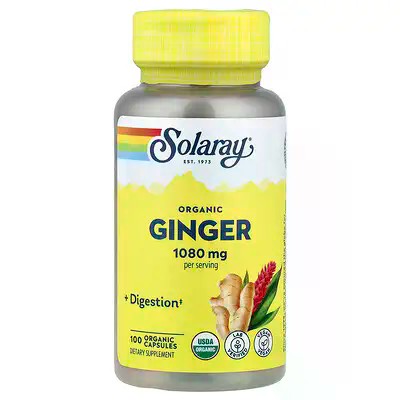
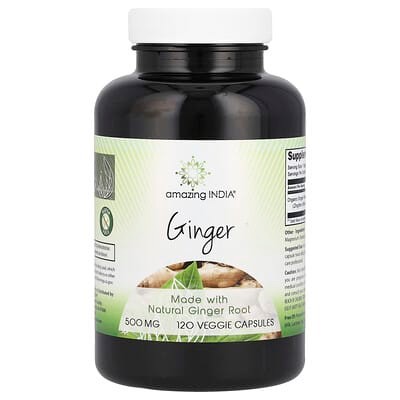
Ginger has a pungent aroma and spicy flavor, with a long history of use in Asian and Indian medicine, including Ayurveda and Traditional Chinese Medicine. Its main bioactive compounds—gingerols, shogaols, and paradols—have strong antioxidant and anti-inflammatory activity. Traditional uses include remedies for colds, flu, digestive problems, and chronic pain. Research supports many of these uses, including relief of nausea associated with motion sickness, morning sickness, and chemotherapy. Ginger also helps reduce inflammation and pain in conditions such as osteoarthritis and muscle soreness. Ginger is used fresh, dried, powdered, or as an oil or juice in foods, drinks, and confectionery. Its adaptogenic qualities may also help the body adapt to stress and support well-being.

Natural sources
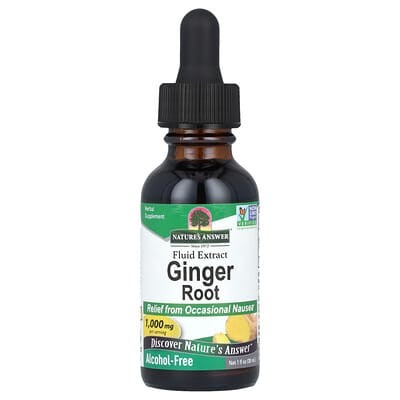
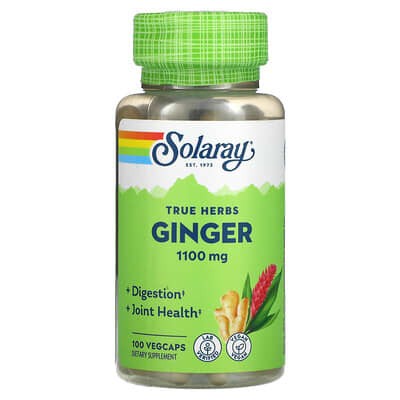
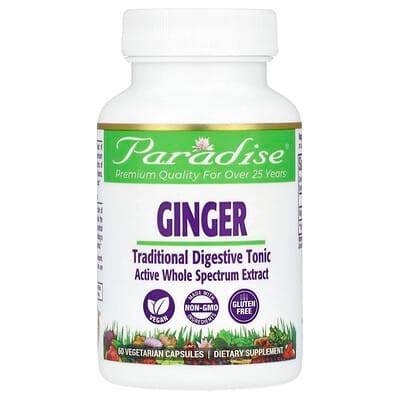
Fresh Ginger rootDried Ginger powderGinger essential oilGinger tea

Ingredient forms

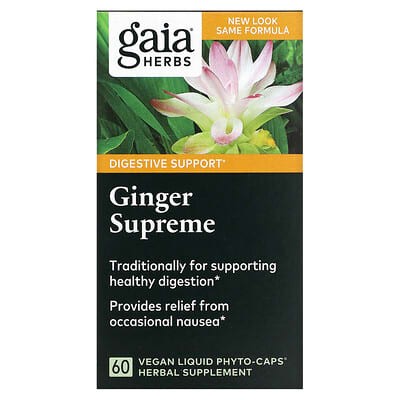
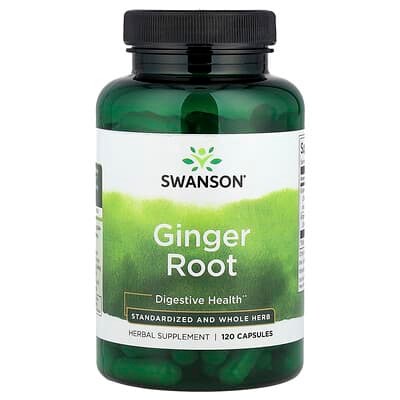
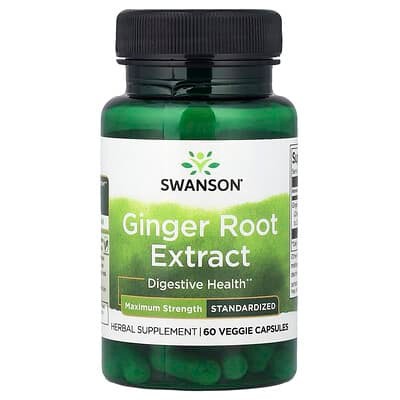
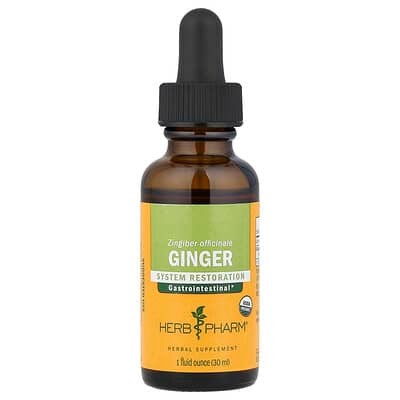
No public comparison lists found.

Timing & Intake
AnytimeWith foodTake with Fat-containing foods to enhance absorption of fat-soluble compounds.
For nausea, it can be taken as needed, while consistent daily intake is often recommended for chronic conditions. Taking it with food may help prevent mild stomach discomfort.
Optimal Dosage
Minimum500 mg
Maximum3000 mg
Safety & Toxicity
4 safety notes
  • Individuals with gallstones should consult a healthcare professional before using ginger, as it may increase bile flow.
  • High doses of ginger may increase the risk of bleeding, especially for those with bleeding disorders or those undergoing surgery.
  • Discontinue use if allergic reactions occur.
  • Pregnant women should consult a healthcare provider before using ginger, especially in higher doses, due to potential effects on blood clotting or uterine contractions (though generally considered safe for morning sickness in recommended amounts).
Goals
Metabolism Boost
Impact
Moderate effect
Typical dose:500–2000 mg

Compounds in ginger, such as gingerols, can enhance the thermic effect of food, meaning the body burns slightly more calories during digestion. It has also been shown to improve markers of blood sugar control and can help reduce feelings of hunger, contributing to better overall energy balance.

Focuses on
Blood sugar regulationInsulin sensitivityGlycemic controlPost-meal energy useAppetite management
Most relevant for
Individuals seeking to support blood sugar health and insulin sensitivity as part of a metabolic wellness plan.

Potential benefits

  • Blood Sugar Regulation.Clinical meta-analyses indicate that ginger supplementation can significantly reduce fasting blood sugar and HbA1c levels, particularly in individuals with type 2 diabetes.
  • Insulin Sensitivity Support.Multiple randomized trials show that ginger can improve markers of insulin resistance, such as HOMA-IR, aiding in more efficient carbohydrate metabolism.
  • Post-Meal Thermogenesis.Unconfirmed. Limited evidence from pilot studies suggests ginger may slightly increase the thermic effect of food, though this benefit is unproven for overall resting metabolic rate as larger studies show no change in total energy expenditure.

Limitations

  • No Increase in Resting Metabolism.Long-term clinical trials have demonstrated that ginger does not increase resting energy expenditure or calorie burning in healthy adults or those with excess body fat.
  • Inconsistent Weight Loss.Despite improvements in metabolic markers like blood sugar, many studies show no significant impact on body weight, BMI, or body composition.
  • Modest Clinical Impact.Meta-analyses note that while metabolic improvements are statistically significant, the magnitude of these effects may be limited in practical clinical importance.

Study evidence

13 studies

Ginger may modestly improve blood sugar control and some blood fats, particularly in people with type 2 diabetes. It has not reliably increased resting calorie expenditure, so these metabolic effects should not be interpreted as a proven boost to calorie burning.

View goal

Anti-Inflammatory Support
Impact
Situational effect
Typical dose:1000–2000 mg

Ginger is highly effective for reducing nausea and inflammation within the digestive tract. It also has systemic effects comparable to mild NSAIDs, making it useful for menstrual cramps, exercise-induced muscle soreness, and arthritic pain. Its tangible benefits for specific symptoms make it a valuable situational tool.

Focuses on
C-reactive proteinCytokine modulationJoint healthPost-exercise recoverySystemic inflammation
Most relevant for
Individuals seeking to manage markers of chronic inflammation or support joint and muscle comfort through natural dietary compounds.

Potential benefits

  • Reduction of Inflammatory Markers.Meta-analyses and multiple clinical trials demonstrate that ginger supplementation consistently lowers circulating levels of C-reactive protein (CRP), hs-CRP, and tumor necrosis factor-alpha (TNF-alpha).
  • Joint Inflammation Support.Research in patients with osteoarthritis and rheumatoid arthritis suggests ginger can reduce pro-inflammatory gene expression and serum markers, which may contribute to improved joint function and comfort.
  • Exercise Recovery Modulation.Evidence indicates that ginger may attenuate certain inflammatory responses, such as IL-6 and TNF-alpha, specifically during the recovery phase following strenuous physical activity.

Limitations

  • Inconsistent Cytokine Response.While effects on CRP are robust, results for other markers like Interleukin-6 (IL-6) are mixed, with several large analyses showing no significant systemic impact.
  • Uncertain Clinical Translation.Reductions in laboratory blood markers do not always translate to predictable or significant improvements in physical symptoms or the prevention of inflammatory diseases.
  • Population Specificity.Most high-quality evidence is derived from populations with existing conditions like diabetes or arthritis; benefits for broad prevention in healthy individuals are less established.

Study evidence

30 studies

Ginger can lower some markers of inflammation, with promising evidence in people with joint or metabolic conditions. Effects vary across markers and studies, and reductions in blood markers do not necessarily establish lasting symptom relief or prevention of inflammatory disease.

View goal
Digestive Health
Impact
Situational effect
Typical dose:1–2 g

Ginger contains active compounds like gingerols and shogaols that act as a prokinetic, accelerating the rate at which the stomach empties its contents. This action, along with its effects on serotonin receptors in the gut, makes it a potent and fast-acting remedy for nausea and indigestion.

Focuses on
Nausea reliefIndigestion supportGastric emptyingBloating reductionMotion sickness
Most relevant for
Individuals seeking a natural approach to manage nausea or recurrent upper-abdominal discomfort associated with slow digestion.

Potential benefits

  • Alleviating Nausea.Evidence from meta-analyses indicates that ginger can significantly reduce the severity of nausea in settings such as pregnancy and post-surgery.
  • Indigestion and Fullness Relief.Standardized extracts may improve symptoms of functional dyspepsia, including postprandial fullness and upper abdominal bloating, by stimulating stomach contractions.
  • Accelerated Gastric Emptying.Ginger acts as a prokinetic agent, helping to speed up the rate at which the stomach empties its contents into the small intestine.

Limitations

  • Inconsistent Vomiting Prevention.While effective for reducing the feeling of nausea, research shows ginger may not significantly reduce the actual frequency of vomiting.
  • Limited Gut Microbiome Impact.Studies show that while ginger may alter specific bacterial levels, it does not consistently improve overall gut microbial diversity or general bowel function in healthy adults.
  • Preparation Variability.The digestive benefits observed in trials often rely on specific standardized extracts or doses that may not be equivalent across all ginger products.
Things to consider

Some users may experience mild gastrointestinal side effects like heartburn or reflux. Additionally, faster stomach emptying does not always result in a reduction of digestive symptoms for everyone.

Study evidence

31 studies

Ginger can help nausea in some settings and may ease functional indigestion with certain preparations. Benefits are less consistent for vomiting, bowel function and general digestive comfort, so the evidence does not support treating every digestive complaint as equally responsive.

View goal
General Health
Impact
Situational effect
Typical dose:1000–2000 mg

The active compounds in ginger, such as gingerol, have a direct effect on the digestive system and central nervous system to reduce feelings of nausea. It is a reliable, fast-acting, and safe option for managing occasional queasiness, providing a clear and tangible benefit.

Focuses on
Nausea reliefDigestive comfortJoint supportMetabolic healthInflammation management
Most relevant for
Individuals seeking natural support for digestive comfort, motion sickness, or mild joint stiffness.

Potential benefits

  • Digestive Support.Strong evidence suggests ginger effectively reduces nausea from various causes and improves symptoms of functional dyspepsia, such as abdominal pain and bloating.
  • Joint and Muscle Comfort.Regular supplementation may modestly reduce joint pain and stiffness, particularly for those with osteoarthritis, and support physical functional capacity.
  • General Wellness Boost.Unconfirmed. While ginger supports specific metabolic and inflammatory markers, its ability to provide a broad health boost for already healthy individuals is not yet established.

Limitations

  • Specific Study Populations.Most research focuses on individuals with existing conditions like nausea or arthritis; benefits may not automatically apply to the healthy general population.
  • Inconsistent Pain Relief.Clinical trials for joint and muscle pain show mixed results, with several studies finding no significant improvement in pain or daily functioning compared to a placebo.
  • Standardization Requirements.Efficacy is often tied to specific standardized extracts and dosages (typically 0.5g to 3g daily), which may differ from common culinary ginger intake.
Things to consider

May cause mild gastrointestinal side effects like heartburn or diarrhea. Consult a healthcare provider if you have gallstones or are taking blood-thinning medications, as ginger may interact with these conditions.

Study evidence

25 studies

Ginger has evidence for specific health benefits, particularly relief of pregnancy-related nausea and modest improvement in osteoarthritis pain. Findings for other symptoms and metabolic measures are less consistent, and these targeted effects do not establish a broad improvement in general health for everyone.

View goal
Immunity
Impact
Situational effect
Typical dose:500–2000 mg

The active compounds in ginger, such as gingerol, are effective at settling the stomach and reducing feelings of nausea. Additionally, ginger has been shown to have direct antimicrobial effects and can help modulate inflammation, making it a soothing and supportive herb during sickness.

Focuses on
Nausea reliefSickness supportAnti-inflammatory support
Most relevant for
Individuals seeking to manage secondary symptoms like nausea while supporting general wellness during illness.

Potential benefits

  • Symptom Management.Unconfirmed. Ginger is traditionally used to settle the stomach and manage nausea during sickness, though its direct impact on immune system markers is unproven in the provided data.
  • General Wellness Support.Unconfirmed. The herb may offer anti-inflammatory properties that support the body during recovery, but specific clinical evidence for this goal was not provided.

Limitations

  • Lack of Clinical Evidence.No linked research was supplied to confirm ginger's efficacy, specific mechanisms, or required dosages for immune enhancement.
  • Indirect Benefits.Observed benefits are primarily focused on digestive comfort rather than direct modulation of the immune response.
Things to consider

Excessive intake may cause mild side effects such as heartburn or stomach upset in some individuals.

Study evidence

No published studies for this goal yet.

View goal
Joint Health
Impact
Situational effect
Typical dose:500–2000 mg

The active compounds in ginger, known as gingerols, can inhibit the production of pro-inflammatory prostaglandins. It is particularly effective for exercise-induced muscle and joint soreness and serves as a supportive adjunct to more potent anti-inflammatories.

Focuses on
Joint Pain ReliefOsteoarthritis SymptomsJoint StiffnessFunctional MobilityInflammatory Response
Most relevant for
Adults seeking a natural adjunct for managing mild to moderate joint discomfort and stiffness associated with osteoarthritis.

Potential benefits

  • Osteoarthritis Symptom Relief.Multiple meta-analyses suggest that ginger may modestly reduce joint pain and improve physical function in individuals with knee osteoarthritis.
  • Anti-Inflammatory Support.Clinical trials indicate that daily ginger supplementation can lower systemic inflammatory markers such as C-reactive protein (CRP) and cytokines in patients with joint concerns.
  • Joint Stiffness Management.Some studies show that specialized ginger extracts can help reduce perceptions of stiffness and improve movement capacity during daily activities and post-exercise recovery.

Limitations

  • Conflicting Research Findings.Evidence is inconsistent across clinical trials, with several high-quality systematic reviews finding insufficient evidence to support the use of oral ginger for joint pain relief.
  • No Disease-Modifying Effects.Research primarily focuses on temporary symptom relief; ginger has not been proven to prevent joint degradation, reverse damage, or modify the underlying disease process.
  • Preparation and Extract Variability.Benefits observed in trials often rely on concentrated or steamed extracts, meaning ordinary culinary ginger or standard powders may not produce the same joint health outcomes.
Things to consider

High doses are frequently associated with mild gastrointestinal side effects, such as heartburn or stomach upset, which may lead to higher rates of treatment discontinuation.

Study evidence

23 studies

Ginger may provide modest relief of osteoarthritis pain, but improvements in stiffness and everyday function are less consistent. The evidence varies across preparations and includes negative trials; symptom relief does not establish prevention of joint damage, and digestive side effects can occur.

View goal
Showing 6 of 8 goals

Studies

Research connections will load here.
Sources

Up to five highest-ranked published examples per goal. Study counts and charts include all published studies for the connection.

  1. The effect of ginger consumption on glycemic status, lipid profile and some inflammatory markers in patients with type 2 diabetes mellitus.
    Arablou T; Aryaeian N; Valizadeh M; Sharifi F; Hosseini A; Djalali M · International journal of food sciences and nutrition · 2015
    Randomized trial70 participantsMetabolism Boost
  2. The effect of ginger powder supplementation on insulin resistance and glycemic indices in patients with type 2 diabetes: a randomized, double-blind, placebo-controlled trial.
    Mozaffari-Khosravi H; Talaei B; Jalali BA; Najarzadeh A; Mozayan MR · Complementary therapies in medicine · 2014
    Randomized trial88 participantsMetabolism Boost
  3. Changes of serum adipocytokines and body weight following Zingiber officinale supplementation in obese women: a RCT.
    Ebrahimzadeh Attari V; Ostadrahimi A; Asghari Jafarabadi M; Mehralizadeh S; Mahluji S · European journal of nutrition · 2017
    Randomized trial80 participantsWeight LossMetabolism Boost
  4. Effects of ginger (Zingiber officinale) on plasma glucose level, HbA1c and insulin sensitivity in type 2 diabetic patients.
    Mahluji S; Attari VE; Mobasseri M; Payahoo L; Ostadrahimi A; Golzari SE · International journal of food sciences and nutrition · 2014
    Randomized trial64 participantsMetabolism Boost
  5. Effect of Ginger Powder Supplementation in Patients with Non-Alcoholic Fatty Liver Disease: A Randomized Clinical Trial.
    Rafie R; Hosseini SA; Hajiani E; Saki Malehi A; Mard SA · Clinical and experimental gastroenterology · 2022
    Randomized trial46 participantsMetabolism Boost
  6. The effect of ginger supplementation on serum C-reactive protein, lipid profile and glycaemia: a systematic review and meta-analysis.
    Mazidi M; Gao HK; Rezaie P; Ferns GA · Food & nutrition research · 2022
    Meta-analysis9 studies pooledAnti-Inflammatory Support
  7. Ginger supplementation and metabolic health: an umbrella review of meta-analyses of randomized trials.
    Musazadeh V; Morvaridi M; Hosseini-Roknabadi SM; Mahmoudinezhad M; Jafari A; Shidfar F · Diabetology & metabolic syndrome · 2026
    Meta-analysis43,570 participants36 studies pooledAnti-Inflammatory Support
  8. Effect of Ginger Supplementation on Proinflammatory Cytokines in Older Patients with Osteoarthritis: Outcomes of a Randomized Controlled Clinical Trial.
    Mozaffari-Khosravi H; Naderi Z; Dehghan A; Nadjarzadeh A; Fallah Huseini H · Journal of nutrition in gerontology and geriatrics · 2017
    Randomized trial120 participantsAnti-Inflammatory SupportJoint Health
  9. Effects of Ginger Supplementation on Markers of Inflammation and Functional Capacity in Individuals with Mild to Moderate Joint Pain.
    Broeckel J; Estes L; Leonard M; Dickerson BL; Gonzalez DE; Purpura M; Jäger R; Sowinski RJ; Rasmussen CJ; Kreider RB · Nutrients · 2025
    Randomized trial30 participantsJoint HealthAnti-Inflammatory Support
  10. The effect of ginger supplementation on some immunity and inflammation intermediate genes expression in patients with active Rheumatoid Arthritis.
    Aryaeian N; Shahram F; Mahmoudi M; Tavakoli H; Yousefi B; Arablou T; Jafari Karegar S · Gene · 2019
    Randomized trial70 participantsAnti-Inflammatory Support
  11. Efficacy and safety of steamed ginger extract for gastric health: a randomized, double-blind, placebo-controlled multi-center clinical trial.
    Baek HI; Ha NR; Kim C; Im TJ; Kim YY; Hwang SH; Bae JW · Food & function · 2025
    Randomized trial80 participantsDigestive HealthGeneral Health
  12. The effects of ginger supplementation on common gastrointestinal symptoms in patients with relapsing-remitting multiple sclerosis: a double-blind randomized placebo-controlled trial.
    Foshati S; Poursadeghfard M; Heidari Z; Amani R · BMC complementary medicine and therapies · 2023
    Randomized trial52 participantsDigestive Health
  13. A Randomized, Double-Blind, Placebo Controlled, Parallel-Group, Comparative Clinical Study to Evaluate the Efficacy and Safety of OLNP-06 versus Placebo in Subjects with Functional Dyspepsia.
    Panda MPharm SK; Nirvanashetty PhD S; Parachur BTech VA; Krishnamoorthy MPharm C; Dey MSc S · Journal of dietary supplements · 2022
    Randomized trial50 participantsDigestive Health
  14. Ginger on Human Health: A Comprehensive Systematic Review of 109 Randomized Controlled Trials.
    Anh NH; Kim SJ; Long NP; Min JE; Yoon YC; Lee EG; Kim M; Kim TJ; Yang YY; Son EY; Yoon SJ; Diem NC; Kim HM; Kwon SW · Nutrients · 2020
    Systematic review109 studies pooledDigestive Health
  15. [Is ginger a relevant antiemetic for postoperative nausea and vomiting?].
    Morin AM; Betz O; Kranke P; Geldner G; Wulf H; Eberhart LH · Anasthesiologie, Intensivmedizin, Notfallmedizin, Schmerztherapie : AINS · 2004
    Meta-analysis538 participantsDigestive Health
  16. Effect of a Standardized Ginger Root Powder Regimen on Chemotherapy-Induced Nausea and Vomiting: A Multicenter, Double-Blind, Placebo-Controlled Randomized Trial.
    Crichton M; Marshall S; Isenring E; Lohning A; McCarthy AL; Molassiotis A; Bird R; Shannon C; Koh A; McPherson I; Marx W · Journal of the Academy of Nutrition and Dietetics · 2024
    Randomized trial103 participantsGeneral Health
  17. Ginger extract versus Loratadine in the treatment of allergic rhinitis: a randomized controlled trial.
    Yamprasert R; Chanvimalueng W; Mukkasombut N; Itharat A · BMC complementary medicine and therapies · 2020
    Randomized trial80 participantsGeneral Health
  18. The effect of frankincense (Boswellia serrata, oleoresin) and ginger (Zingiber officinale, rhizoma) on heavy menstrual bleeding: A randomized, placebo-controlled, clinical trial.
    Eshaghian R; Mazaheri M; Ghanadian M; Rouholamin S; Feizi A; Babaeian M · Complementary therapies in medicine · 2019
    Randomized trial102 participantsGeneral Health
  19. The effect of ginger (Zingiber officinale) supplementation on clinical, biochemical, and anthropometric parameters in patients with multiple sclerosis: a double-blind randomized controlled trial.
    Foshati S; Poursadeghfard M; Heidari Z; Amani R · Food & function · 2023
    Randomized trial52 participantsGeneral Health
  20. Effectiveness and safety of steamed ginger extract on mild osteoarthritis: a randomized, double-blind, placebo-controlled clinical trial.
    Baek HI; Shen L; Ha KC; Park YK; Kim CS; Kwon JE; Park SJ · Food & function · 2024
    Randomized trial100 participantsJoint Health
  21. Effects of a ginger extract on knee pain in patients with osteoarthritis.
    Altman RD; Marcussen KC · Arthritis and rheumatism · 2001
    Randomized trial261 participantsJoint Health
  22. A Meta-Analysis of the Impact of Nutritional Supplementation on Osteoarthritis Symptoms.
    Mathieu S; Soubrier M; Peirs C; Monfoulet LE; Boirie Y; Tournadre A · Nutrients · 2022
    Meta-analysis1,438 participants12 studies pooledJoint Health
  23. The Effect of Ginger (Zingiber officinale) on Improving Blood Lipids and Body Weight; A Systematic Review and Multivariate Meta-analysis of Clinical Trials.
    Asghari-Jafarabadi M; Khalili L · Current pharmaceutical design · 2022
    Meta-analysis26 participants26 studies pooledWeight Loss
  24. Efficacy and Safety of Steamed Ginger Extract for Body Weight and Body Fat Reduction in Overweight Adults: A Randomized, Double-Blind, Placebo-Controlled Clinical Trial.
    Kwon JE; Lee YG; Kim I; Bae J; Kang SC; Baek HI · Nutrients · 2026
    Randomized trial80 participantsWeight Loss
  25. The effects of steamed ginger ethanolic extract on weight and body fat loss: a randomized, double-blind, placebo-controlled clinical trial.
    Park SH; Jung SJ; Choi EK; Ha KC; Baek HI; Park YK; Han KH; Jeong SY; Oh JH; Cha YS; Park BH; Chae SW · Food science and biotechnology · 2020
    Randomized trial80 participantsWeight Loss
  26. Efficacy of Ginger Supplementation in Relieving Persistent Hypothyroid Symptoms in Patients with Controlled Primary Hypothyroidism: A Pilot Randomized, Double-Blind, Placebo-Controlled Clinical Trial.
    Ashraf H; Heydari M; Shams M; Zarshenas MM; Tavakoli A; Sayadi M · Evidence-based complementary and alternative medicine : eCAM · 2024
    Randomized trial60 participantsWeight Loss