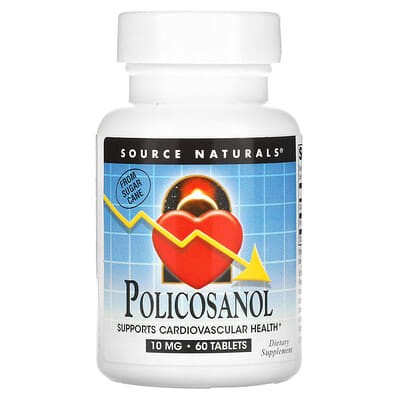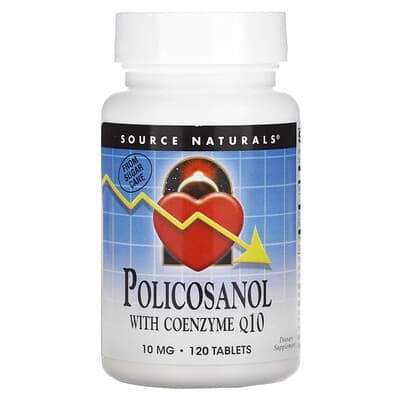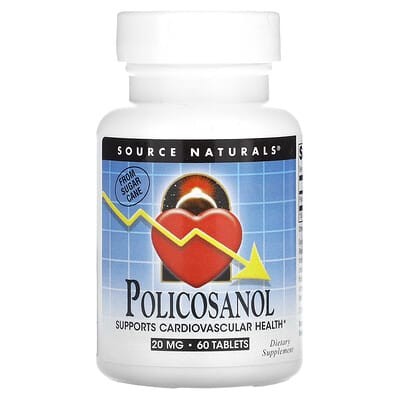
Policosanol

non-nutrient_non-botanical

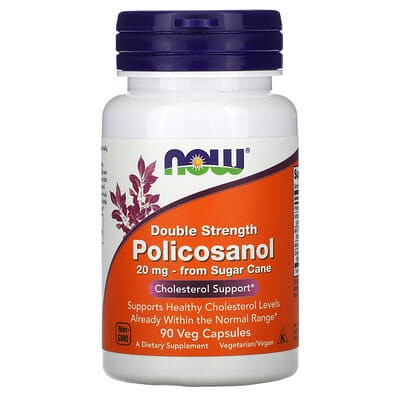
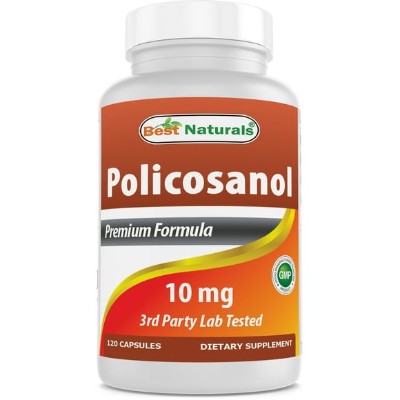
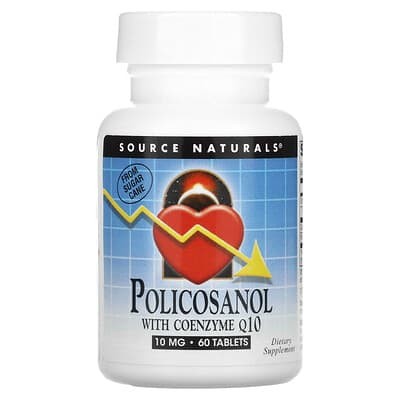
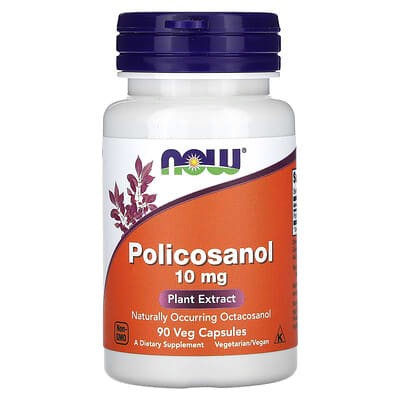
Policosanol is a natural extract typically derived from sugar cane wax, though it is also found in beeswax and rice bran. It consists of a blend of long-chain aliphatic alcohols, with octacosanol typically being the most prominent component. This ingredient is categorized as a non-nutrient, non-botanical compound used in dietary supplements. The primary interest in policosanol involves its potential effects on lipid metabolism and its ability to influence cholesterol levels. It is thought to work by inhibiting cholesterol synthesis in the liver while increasing the uptake and breakdown of low-density lipoprotein (LDL) from the blood. Research has also investigated its potential antioxidant and anti-platelet properties. While policosanol has gained attention for cardiovascular support, scientific evidence for these effects has been mixed. Some studies show positive results while others find no significant impact, particularly when using specific purified forms or sources. Due to these inconsistencies, its use should be considered carefully in consultation with a healthcare professional.

Natural sources
Sugar cane waxBeeswaxRice bran waxWheat germYamsAlfalfa

No public comparison lists found.

Optimal Dosage
Minimum5 mg
Maximum20 mg
Safety & Toxicity
Toxicity Threshold40 mg
Toxicity EffectInsomnia, weight loss (in rare cases)
4 safety notes
  • Pregnant or breastfeeding individuals should avoid use due to insufficient safety data.
  • Individuals with bleeding disorders or those undergoing surgery should exercise caution due to potential effects on platelet aggregation.
  • Discontinue use if adverse reactions occur.
  • Individuals with liver conditions should consult a healthcare professional before use.
Goals
Heart Health
Impact
Limited evidence
Typical dose:10–40 mg

While early studies from a single research group suggested significant LDL cholesterol reduction, subsequent higher-quality, independent trials have largely failed to confirm these effects. Its clinical relevance for managing cholesterol is now considered minimal to non-existent by most experts.

Focuses on
Cholesterol managementBlood pressureLDL cholesterol levelsHDL cholesterol supportCardiovascular risk markers
Most relevant for
Individuals looking for supplemental heart support who are aware that clinical evidence for its effectiveness is inconsistent and unproven in independent trials.

Potential benefits

  • Cholesterol Management.Unconfirmed. Some research suggests policosanol may help lower LDL and total cholesterol while raising HDL, though these benefits are unproven as high-quality independent studies frequently show no effect.
  • Blood Pressure Support.Unconfirmed. Preliminary studies in specific populations have observed modest reductions in systolic and diastolic blood pressure, but this effect has not been widely confirmed across broader research.
  • Vascular Risk Markers.Unconfirmed. Limited evidence suggests potential improvements in apolipoprotein levels and HDL functionality, which are markers associated with heart health, though clinical relevance is uncertain.

Limitations

  • Conflicting Clinical Evidence.While early trials reported significant lipid-lowering effects, multiple subsequent independent studies found policosanol was no more effective than a placebo for managing cholesterol.
  • Not a Statin Alternative.Clinical reviews indicate that policosanol's impact on LDL cholesterol is often minimal to non-existent, making it an unreliable substitute for proven medical treatments like statins.
  • Source and Preparation Variability.The effects observed in research may depend on the specific plant source, such as sugar cane or rice, yet even identical preparations have failed to show consistent benefits in diverse populations.
Things to consider

Policosanol should not be used to replace prescribed cholesterol-lowering medications. Because response to this supplement varies significantly, individuals should monitor their lipid levels with a healthcare provider to assess if it provides any personal benefit.

Study evidence

51 studies

Policosanol has conflicting evidence for improving cholesterol and other heart-related risk markers. Favorable findings are offset by several placebo-controlled trials showing no cholesterol benefit, and the available research does not establish reliable protection against heart attacks or other cardiovascular events.
View goal

Studies

Research connections will load here.
Sources

Up to five highest-ranked published examples per goal. Study counts and charts include all published studies for the connection.

  1. Meta-analysis of natural therapies for hyperlipidemia: plant sterols and stanols versus policosanol.
    Chen JT; Wesley R; Shamburek RD; Pucino F; Csako G · Pharmacotherapy · 2005
    Meta-analysis4,596 participants52 studies pooledHeart Health
  2. Effects of policosanol in patients with type II hypercholesterolemia and additional coronary risk factors.
    Más R; Castaño G; Illnait J; Fernández L; Fernández J; Alemán C; Pontigas V; Lescay M · Clinical pharmacology and therapeutics · 1999
    Randomized trial437 participantsHeart Health
  3. Policosanol (sugarcane wax alcohols) 20 mg/day in Cuban Patients With Grade I Hypertension: A Randomized, Double-Blind, Multicenter Study.
    Revueltas Aguero M; Jimenez Chiquet A; Valdes Y; Fernández Travieso JC; Reyes Nuñez Y; Fernández Dominguez Y; González Pla E; Mendoza Castaño S; Pérez Guerra Y; Pérez Caballero MD; Navarro D; Cruz Gomez Y; Mesa Angarica M; Jiménez Rivero G; Sánchez Texido C; the Family's Doctors of the Polyclinical Centres of Plaza Municipality · Journal of clinical hypertension (Greenwich, Conn.) · 2025
    Randomized trial200 participantsHeart Health
  4. Efficacy and Safety of Policosanol (Sugarcane Wax Alcohols) 20 mg/Day in Cuban Prehypertensive Patients: A Randomized, Double-Blind, Multicentre Study.
    Revueltas M; Jimenez Chiquet A; Valdes Y; Fernández JC; Reyes Y; Fernández Y; González E; Mendoza S; Pérez Y; Pérez MD; Navarro D; Cruz Y; Mesa M; Jiménez G; Sánchez C; Family's Doctors of the polyclinical centres of Plaza Municipality · Journal of clinical hypertension (Greenwich, Conn.) · 2025
    Randomized trial400 participantsHeart Health
  5. Effects of policosanol on postmenopausal women with type II hypercholesterolemia.
    Castaño G; Más R; Fernández L; Fernández JC; Illnait J; López LE; Alvarez E · Gynecological endocrinology : the official journal of the International Society of Gynecological Endocrinology · 2000
    Randomized trial244 participantsHeart Health